
 By Walker Evans

Autism Spectrum Disorder (ASD) is a complex condition that affects individuals in various ways, and one of the most misunderstood aspects of autism is the nonverbal form. Studies show that approximately 25 to 30 percent of children with autism spectrum disorder speak less than 30 words (minimally verbal), or none at all (nonverbal).
For these children, communication can feel like an insurmountable challenge, but with the right understanding and resources, these children can still express their thoughts, needs, and emotions.
This blog aims to shed light on the realities of nonverbal autism, its causes, the ways individuals with this form of autism communicate, and how parents and caregivers can support them. We will also cover the possibilities for recovery, speech development, and how to best engage with nonverbal children.
What Is Nonverbal Autism?
Nonverbal autism is a term used to describe someone with autism who does not use spoken language as their main form of communication.
It’s important to differentiate between nonverbal and minimally verbal autism. While nonverbal children don’t speak at all, minimally verbal children may use a few words but lack the ability to form complex sentences or engage in fluent speech.
People with nonverbal autism can have varying levels of intelligence, and their inability to speak does not reflect their cognitive abilities. Nonverbal autism symptoms can range from complete silence to the use of gestures, sounds, or alternative communication methods.
Understanding nonverbal autism requires recognizing that these children may not always have the ability to express themselves verbally, but they are still communicating in other ways. Parents, caregivers, and educators can often find clues to their needs through nonverbal cues, body language, and facial expressions.
Now that we’ve established what nonverbal autism is, it’s important to understand why some children with autism may become nonverbal.
Is Going Nonverbal a Symptom of Autism?
Yes, but being nonverbal is not always a symptom of autism itself. While many children with autism are nonverbal, others may develop speech and language skills at varying levels.
Nonverbal autism can occur in some children as a result of delayed speech development or due to an underlying neurological issue. However, some children may begin to lose speech abilities at some point, a phenomenon known as autism regression.
This regression may appear suddenly, often between the ages of 1 and 3, and can be triggered by overstimulation, changes in routine, or heightened anxiety. Situational mutism, where a child temporarily loses the ability to speak in specific settings, is another possible cause.
Note: It’s important for caregivers to recognize that nonverbal behaviors are not permanent and that some children can regain their ability to communicate verbally with the right support.
Nonverbal Autism Symptoms
- Limited or absent verbal communication
- Challenges with social interaction
- Repetitive behavioral patterns
- Using alternative communication methods
- Expressive language delay
In a 2021 study, researchers suggested that a clearer definition of nonspeaking autism is needed. They also pointed out that more research is needed to understand the brain differences that affect how people with autism communicate. This could help scientists create better support for autistic people who need it.
How Is Nonspeaking Autism Diagnosed?
Diagnosing nonspeaking autism involves a comprehensive evaluation, including developmental history, observation, and assessments by specialists such as speech-language pathologists, psychologists, and developmental pediatricians.
Since speech is one of the primary forms of communication, diagnosing nonverbal autism often focuses on ruling out other causes of speech delay, such as hearing loss, intellectual disabilities, or physical impairments.
The diagnosis process may also include evaluating the child’s use of nonverbal communication methods, such as gestures, body language, or eye contact, and how they interact with their environment.
How Do Nonverbal Autistic People Communicate?
Even if a child is nonverbal, they still have many ways of expressing themselves. These alternative forms of communication are critical for their emotional and social development. Here are some methods that nonverbal autistic children may use:
- AAC (Augmentative and Alternative Communication) Devices: These devices can include communication boards, touchscreens, or symbol-based systems that allow children to express themselves by selecting pictures or words.
- PECS (Picture Exchange Communication System): PECS uses visual aids (pictures or symbols) to help children communicate their needs, feelings, and desires.
- Gestures, Body Language, and Facial Expressions: Many nonverbal children rely on pointing, nodding, or using facial expressions to convey messages.
- (FPI) Focused Playtime Intervention: The intervention aims to develop responsive parental behaviors and enhance communication skills in children with autism by focusing on parent-mediated strategies.
A 2018 report published on multiple trials stated that when using an AAC method, the children made significant progress in using PECS and making verbal and non-verbal communication attempts.
However, there was no immediate improvement in their ability to speak more words or communicate socially right after the intervention.
Do Nonverbal Autistic People Understand Language?
The ability to understand language or receptive language, is often present in nonverbal autistic individuals, but it varies greatly from person to person. Receptive language skills mean understanding spoken words and instructions, even if the person cannot respond verbally.
While some nonverbal children may demonstrate a deep understanding of language, others may struggle with comprehension. It’s important for parents and caregivers to use clear, consistent, and simple language, along with visual aids, to support their child’s understanding.
What Are Nonverbal Behaviors in Autism?
Nonverbal behaviors, such as stimming, are common in children with autism and can serve various purposes, including self-regulation or expressing excitement. These behaviors might seem confusing to those who are unfamiliar with autism, but they often have meaning and can be part of a child’s communication style. Some of the most common nonverbal behaviors include:
- Stimming: Repetitive movements like hand-flapping, rocking, or spinning. These actions may help the child cope with anxiety or sensory overload.
- Eye Contact Avoidance: Many children with autism avoid eye contact, not because they are uninterested, but because it may overwhelm them.
- Echolalia: Repeating words or phrases heard from others. This can be a way to process information or communicate when the child is not yet able to form their own words.
Can Nonverbal Autistic Children Learn to Speak?
Many nonverbal autistic children do have the potential to learn to speak, although the timeline and success rate vary. Factors such as age, early intervention, and the presence of other developmental disorders play a significant role in speech development.
Therapies like speech therapy, occupational therapy, and ABA (Applied Behavior Analysis) have been shown to be beneficial in helping children build communication skills, whether through speech or alternative communication methods. While speech may not always be fully achieved, improvements in communication are always possible.
Why Do Some Autistic People Go Nonverbal?
The reasons behind why some children with autism become nonverbal are complex. Situational mutism can be triggered by stress, anxiety, or changes in routine. In some cases, children may experience autism regression, which can involve losing previously acquired speech skills.
It’s important for parents and caregivers to understand that this doesn’t necessarily mean that the child will never speak again. With appropriate support, many children can regain speech or use alternative methods of communication.
How to Support a Nonverbal Autistic Child
Supporting a nonverbal autistic child involves more than just patience. Here are some practical strategies for parents and caregivers:
- Create a Predictable Environment: Consistency and routine help children feel secure and reduce anxiety.
- Use Visual Aids and Social Stories: These tools help children understand expectations and communicate their needs.
- Encourage Interaction Through Play: Play-based learning, such as using toys or music, can provide opportunities for social engagement and communication.
- Nurturing Parent-Child Connection Through FPI: Research has shown that FPI significantly improves parental responsiveness and child communication, leading to increased expressive language and better attachment-related behaviors in children.
Encourage Communication in Nonverbal Autistic Children
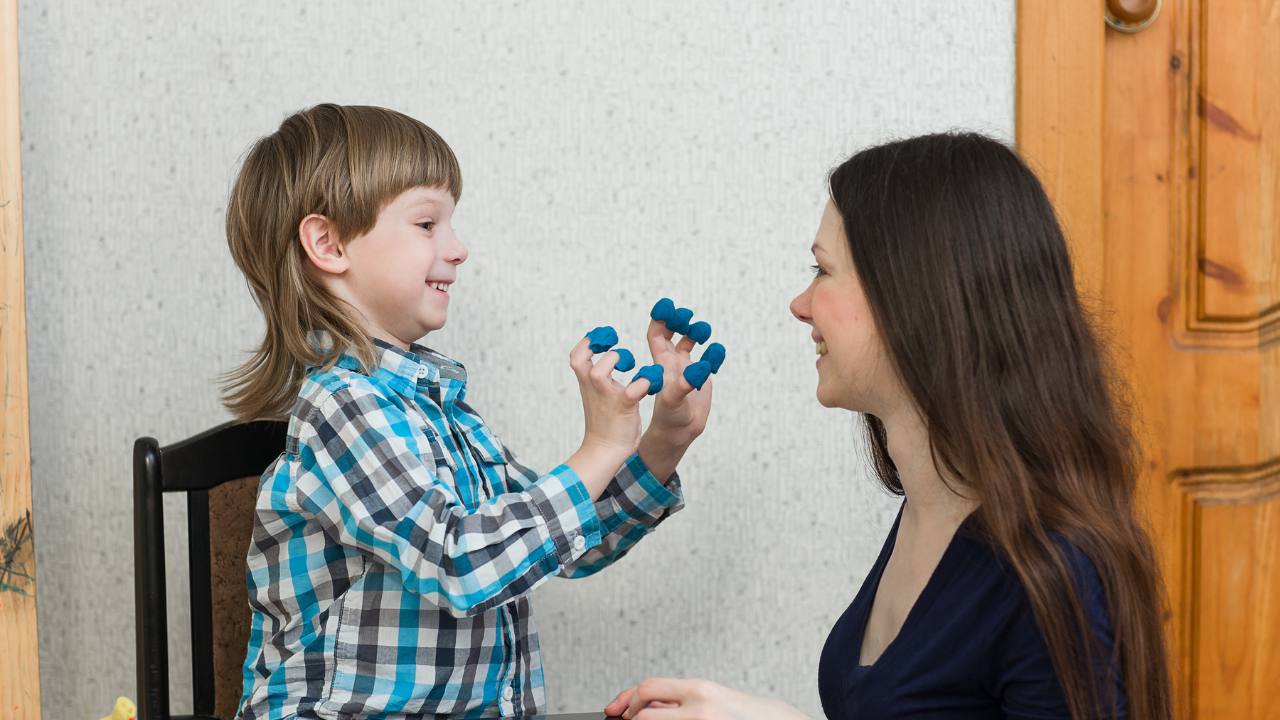
There are several activities parents can use to encourage communication, including:
- Music Therapy: This can help nonverbal children express themselves through rhythm, sound, and music. We suggest this cute little music toy for your child to encourage communication.
- Imitation Games: These help build rapport and encourage the child to mimic actions, which is an early form of communication.
- Speech Therapy: Working with a trained speech therapist can provide personalized strategies for developing speech and alternative communication.
The Emotional Journey of Parenting a Nonverbal Autistic Child
Parenting a nonverbal autistic child can be both rewarding and emotionally taxing. Understanding that communication is possible, even if it doesn’t involve speech, is key. Celebrating small victories, accessing community support, and reaching out to professionals for guidance are all vital for navigating this journey.
Empowering Nonverbal Autistic Children With So Special Too
At So Special Too, we understand the struggles with autism. Our website was launched to help parents and caregivers support their autistic children in every way possible. Feel free to explore our thoughtfully curated tools and resources designed for your child. Let’s build a judgment-free community for our children with ASD.
Conclusion
Understanding and supporting a nonverbal autistic child requires patience, empathy, and appropriate communication tools. By focusing on alternative communication methods, recognizing nonverbal cues, and encouraging communication through play and therapy, parents can help their children thrive.
Remember, progress may take time, but every step forward is a victory.




