
 By Walker Evans
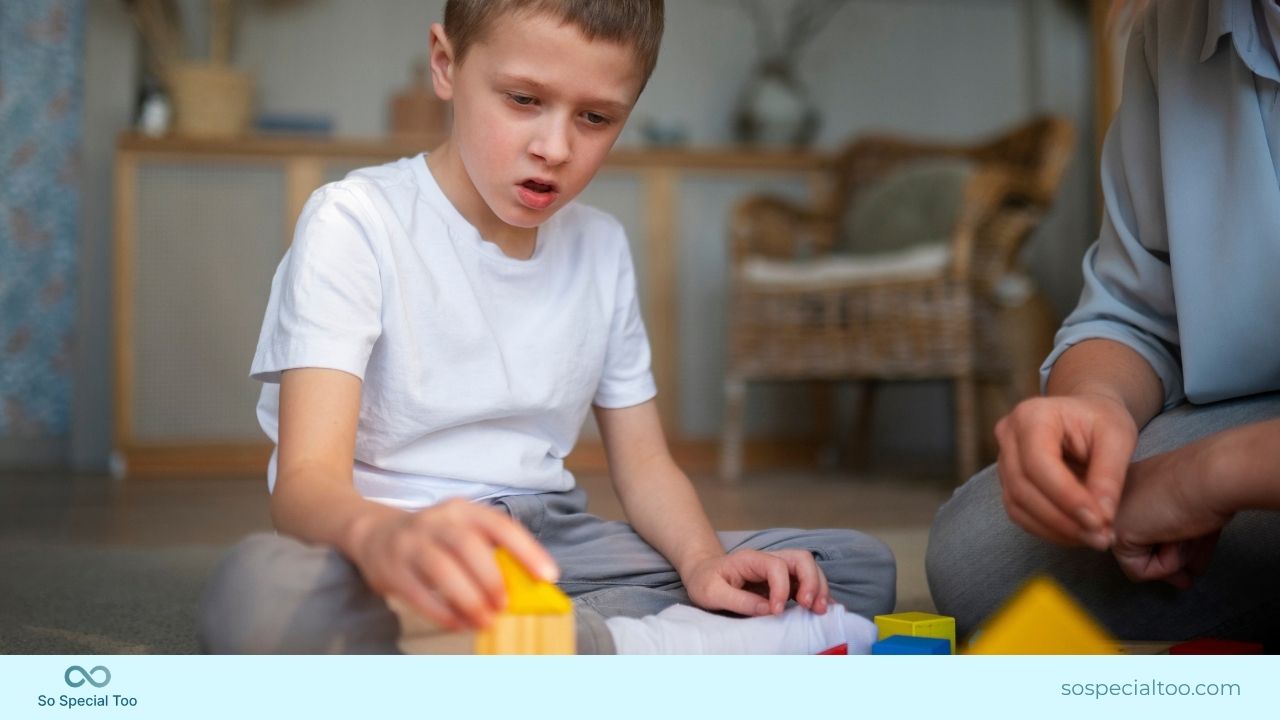
Home therapy for kids uses everyday activities and routines to help children practice key developmental skills, including communication, independence, social interaction, movement, and emotional regulation. When connected with a child’s individual goals, simple activities at home can complement professional therapy and provide more opportunities for learning.
For many parents, supporting development outside therapy sessions can feel overwhelming. The challenge is knowing which activities actually help and which ones simply keep children occupied. Effective home-based activities are not about creating a therapy clinic at home. They are about turning meaningful moments into opportunities for children to practice skills.
A conversation during breakfast, getting dressed, playing a favorite game, or helping with a household task can all support development when activities are adapted to the child’s needs.
The right approach depends on the child. Some children may need support with communication, while others may benefit from activities focused on independence, fine motor skills, sensory regulation, or social interaction.
Key Takeaways
- Home therapy activities work best when they match a child’s developmental goals and abilities.
- Everyday routines can provide opportunities to practice communication, independence, motor skills, and social interaction.
- Simple activities with consistent practice can often be more valuable than complicated exercises.
- Parents can support development without replacing professional therapy.
- Activities should focus on helping children participate more confidently in everyday life.
What Is Home Therapy for Kids?
Home therapy refers to activities and strategies that help children practice developmental skills within familiar environments. These activities may support communication, self-care, movement, sensory needs, social skills, and learning.
Unlike structured therapy sessions, home-based activities happen during regular routines. This allows children to practice skills in situations that have real meaning.
For example, a child developing communication skills may practice making choices during meals, requesting items during play, or answering questions while reading. A child working on independence may practice organizing belongings, completing parts of a dressing routine, or helping with simple household activities.
The goal is not for parents to become therapists. Instead, parents can create supportive opportunities where children can strengthen skills through everyday experiences.
According to KidsHealth, speech therapy helps children improve communication skills by addressing difficulties with speech, language, and understanding. Activities and strategies are often adapted based on a child’s individual needs and development.
Caregivers can help support communication skills by creating opportunities for practice across daily environments. This is why small interactions throughout the day can become valuable parts of a child’s development.
Why Are Home Therapy Activities Important for Children?
Children often need repeated opportunities to practice skills before they become comfortable using them independently. While professional therapy introduces strategies and provides specialized support, home routines allow children to apply those skills in real situations.
Parents also have unique insight into their child’s daily experiences. They notice how their child communicates, responds to changes, manages routines, and approaches challenges. These observations can help families understand which activities are most helpful.
For example, if a child struggles with transitions, parents can create predictable routines or use visual reminders to make changes easier to understand. If communication is a goal, everyday choices and conversations can encourage children to express preferences and needs.
The goal is not to turn every interaction into a therapy exercise. Children learn best when activities feel natural, supportive, and connected to their interests.
How Can Parents Choose the Right Home Therapy Activities?
The most effective home therapy activities are not always the most advanced. They are activities that match the child’s current abilities while encouraging gradual growth.
Before introducing an activity, parents should consider whether it supports the child’s goals, fits naturally into daily life, and keeps the child engaged.
| Consideration | Why It Matters |
| Child’s abilities | Activities should provide an appropriate challenge without causing frustration. |
| Developmental goals | Activities become more meaningful when they support skills the child is building. |
| Child’s interests | Children are often more engaged when activities involve things they enjoy. |
| Daily routines | Activities are easier to maintain when they fit naturally into family life. |
A simple activity can become valuable when it has a clear purpose. Reading a story can support communication, preparing food can encourage independence, and playing a game can strengthen social skills.
Communication Activities That Support Language Development
Communication develops through interaction. Children learn language when they have opportunities to express themselves, respond to others, and participate in meaningful exchanges.
Parents can support communication during everyday routines instead of relying only on structured activities. During meals, playtime, or daily tasks, parents can encourage children to make choices, request items, describe activities, or answer simple questions.
Reading together is another helpful activity. Parents can pause during a story, ask questions about pictures, encourage predictions, or invite children to share their thoughts. For children who communicate through gestures, visual supports, or alternative methods, these interactions can still support meaningful expression.
According to Healthdirect Australia, speech pathologists assess communication difficulties and provide strategies to support speech, language, and communication skills. Therapy may include evaluation, exercises, and activities tailored to an individual’s communication needs.
The goal of communication activities at home is not to pressure children to communicate in a specific way. It is to create supportive opportunities where children feel encouraged to express themselves.
Fine Motor Activities That Build Everyday Skills
Fine motor skills support everyday tasks such as writing, eating, dressing, and handling objects. Strengthening these skills can help children become more confident and independent.
Simple activities such as drawing, building with blocks, completing puzzles, sorting objects, and using play materials can support coordination and hand control. Daily routines can also provide opportunities, such as practicing buttons, opening containers, or helping prepare simple foods.
The most useful activities are connected to real-life goals. When children understand the purpose of a skill, they are often more motivated to participate and practice.
Sensory and Regulation Activities That Support Everyday Skills
Some children experience sensory differences that affect how they respond to sounds, textures, movement, or changes in their surroundings. Home activities can help children develop strategies that support comfort, attention, and participation.
Sensory activities should match the child’s preferences and needs. What feels calming for one child may feel uncomfortable for another. Parents can support regulation by creating predictable routines, offering movement opportunities, and noticing which activities help their child feel more prepared for daily activities.
Simple activities such as movement breaks, sensory play, quiet spaces, or helping with household tasks can become part of a child’s routine. The goal is not to remove sensory differences but to help children participate more comfortably in everyday experiences.
Activities That Encourage Independence and Daily Living Skills
Developing independence is an important goal for many children. Everyday routines provide natural opportunities to practice skills while helping children feel more confident and involved.
Activities such as getting dressed, preparing a simple snack, organizing toys, brushing teeth, or helping with household tasks can support independence. Parents can break larger activities into smaller steps and provide support only when needed.
For example, instead of completing a task for a child, parents can encourage participation by allowing the child to complete one step independently and gradually take on more responsibility.
The focus is not perfection. It is helping children build confidence and recognize their ability to participate in daily routines.

Play-Based Activities That Support Social Development
Play is one of the most natural ways children learn. Through play, children practice communication, problem-solving, flexibility, and interaction with others.
Parents can support social development through activities such as turn-taking games, pretend play, cooperative building activities, or shared hobbies. These activities create opportunities for children to practice skills while enjoying meaningful interactions.
For children who find social interaction challenging, parents can begin with activities based on their interests. Following the child’s lead and gradually introducing new ideas can create comfortable opportunities for communication and connection.
A Simple Home Therapy Activity Guide
| Skill Area | Activity Examples | Skills Supported |
| Communication | Reading together, asking questions, making choices | Language, expression, interaction |
| Fine Motor Skills | Drawing, puzzles, building activities | Coordination, control, independence |
| Sensory Regulation | Movement breaks, calming routines, sensory play | Self-regulation, participation |
| Daily Living Skills | Dressing, meal preparation, household tasks | Confidence, independence |
| Social Skills | Turn-taking games, pretend play | Interaction, flexibility |
The most effective activities are not always the most complicated. Simple activities practiced consistently can create meaningful opportunities for children to strengthen important skills.
How Can Parents Support Therapy Without Replacing Professional Care?
Home activities can reinforce skills, but they do not replace professional evaluation or treatment. Therapists provide specialized knowledge, assess developmental needs, and create goals based on each child’s abilities.
Parents can support therapy by understanding recommended strategies, staying connected with professionals, and incorporating helpful activities into daily routines.
When families and therapists work together, children receive more consistent opportunities to practice skills across different environments.
Common Mistakes to Avoid With Home Therapy Activities
One common mistake is focusing only on challenges while overlooking a child’s strengths and interests. Children are often more engaged when activities feel meaningful and connected to things they enjoy.
Another challenge is expecting immediate results. Development takes time, and progress may appear through small changes, such as increased participation, improved communication attempts, or greater independence.
Parents should also avoid comparing their child’s progress with others. Every child develops differently, and activities should support their individual journey.
Supporting Your Child’s Development With So Special Too
For families exploring developmental support, So Special Too recognizes that every child has unique abilities, challenges, and learning styles.
Home activities become more effective when they connect with a child’s developmental goals. Professional guidance can help families understand which skills to support and how everyday routines can encourage progress. Parents can also explore helpful resources from the So Special Too Parents Guide to learn more about supporting their child’s development at home.
So Special Too provides autism and developmental support services focused on individualized care and family collaboration. The goal is to help children strengthen meaningful skills related to communication, independence, and participation in daily life.
Frequently Asked Questions
No. Home activities provide additional opportunities to practice skills, but professional therapy is important for evaluation, goal setting, and individualized support.
The best activities depend on the child’s needs and abilities. Communication activities, play-based learning, daily routines, fine motor tasks, and sensory activities can all support development when they match the child’s goals.
Consistency is more important than long sessions. Short activities included naturally throughout the day can provide valuable practice opportunities.
Progress may show up as increased participation, stronger communication, greater independence, or improved confidence during daily routines. Parents can also discuss observations with their child’s therapist.
Parents can support development through everyday activities, but professionals familiar with the child’s needs should guide therapy goals and strategies.
Conclusion
The most valuable therapy moments often happen outside structured sessions. They appear when a child communicates a need, completes a familiar task, joins a family activity, or discovers a new ability through everyday experiences.
Home therapy activities work best when they connect professional guidance with real-life learning opportunities. With the right support, families can create environments where children feel encouraged to participate, practice skills, and grow with confidence.
For families seeking individualized developmental support, So Special Too can help identify approaches that align with each child’s needs and developmental journey.




