
 By Walker Evans
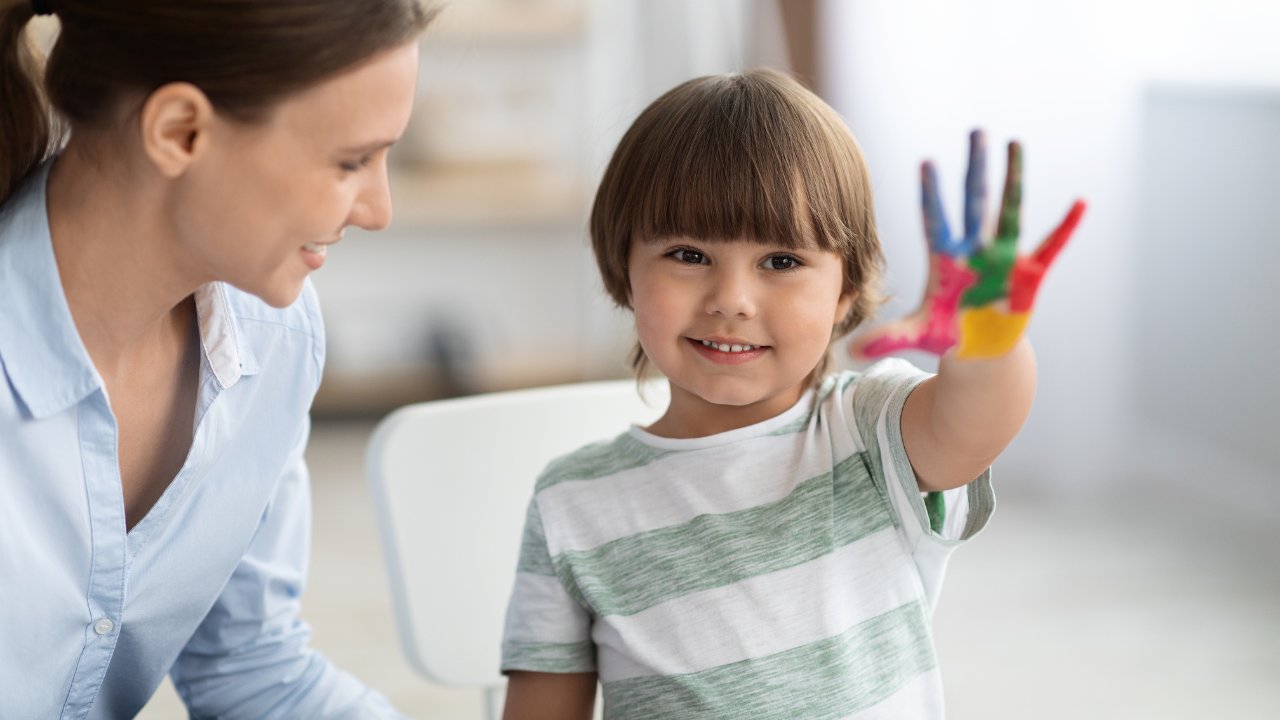
High-functioning autism (HFA) refers to individuals on the autism spectrum who experience mild to moderate challenges with social interaction, communication, and behavior but are not significantly delayed in cognitive development. Children and adults with HFA often display unique strengths and abilities, but they may need tailored support to thrive in everyday situations.
For children with HFA, therapy is essential in addressing social, emotional, and developmental challenges. Whether improving social skills, enhancing communication, or increasing emotional regulation, therapy is pivotal in helping children lead fulfilling lives. Equally important is incorporating fun and practical therapy activities that align with the child’s interests and developmental needs. These activities provide therapeutic benefits and create engaging experiences that foster growth in a relaxed setting.
What is the Best Therapy for High-Functioning Autism?
When it comes to therapy for high-functioning autism, there is no one-size-fits-all solution. The best therapy often depends on individual needs, preferences, and the child’s age. However, there are a few approaches that have shown to be incredibly effective:
Applied Behavior Analysis (ABA)
ABA is one of the most widely used therapies for autism. It focuses on teaching new skills by reinforcing positive behavior and reducing problematic behaviors. By breaking tasks into small, manageable steps, ABA helps children with HFA develop critical life skills.
Speech and Language Therapy
Communication can be challenging for many children with autism, so speech therapy focuses on helping them improve both verbal and non-verbal communication skills. Through tailored exercises and techniques, children learn how to express themselves more clearly, improving their social interactions.
Occupational Therapy
Occupational therapy helps children with autism develop fine motor skills, self-care abilities, and sensory integration skills. For many children with HFA, engaging in everyday tasks such as eating, dressing, or writing can be difficult, and occupational therapy helps them build the necessary skills to function independently.
Cognitive Behavioral Therapy (CBT)
CBT is particularly effective in helping children with autism who experience anxiety, depression, or difficulty managing emotions. Through structured sessions, children learn how to recognize negative thought patterns and replace them with more constructive ways of thinking and behaving.
Social Skills Training
Children with HFA often struggle with social interactions, making it difficult to form and maintain friendships. Social skills training focuses on teaching them essential skills like making eye contact, taking turns in conversations, and understanding social cues. Role-playing and group activities are common components of this type of therapy.
Factors to Consider in Therapy Selection
Choosing the best therapy for a child with HFA is highly individual. Some factors to consider include:
- Age and developmental stage: Younger children may benefit more from play-based therapies, while older children might need more structured approaches like CBT.
- Interests and preferences: Incorporating a child’s personal interests into therapy can make it more engaging and effective.
- Combining therapies: Many children benefit from a combination of therapies tailored to address different areas of development.
- Collaboration: A collaborative approach involving parents, caregivers, and specialists ensures that therapy is comprehensive and consistent across settings.
Practical & Fun Therapy Activities for High-Functioning Autism
Engaging children with HFA in fun, practical activities can significantly enhance the benefits of therapy. Here are some creative and enjoyable options that focus on different aspects of development:
Sensory Play Activities

Sensory play helps children with autism process and regulate sensory input, which can improve focus, calmness, and emotional regulation. Some great sensory play ideas include:
- Sensory bins filled with rice, beans, or sand.
- Textured toys like fidget spinners or squishy toys.
- Playdough for strengthening fine motor skills and creativity.
Social Skills Games
Social skills activities for autism encourage interaction and the development of crucial social abilities. These games help children practice conversation skills, empathy, and turn-taking in a fun setting:
- Board games like “Guess Who?” or “Connect Four” to promote interaction and patience.
- Role-playing activities where children practice different social scenarios.
- Video chats with peers or family members to practice real-time communication.
Creative Arts Therapy
Art, music, and drama offer wonderful opportunities for self-expression, helping children explore emotions, creativity, and social connections. Some activities include:
- Painting to express feelings and build fine motor skills.
- Playing musical instruments to enhance auditory processing and creativity.
- Acting or role-playing exercises to practice social situations and build confidence.
Movement and Motor Skills Development
Physical activity can improve coordination, body awareness, and social interaction. Fun, movement-based activities include:
- Dancing to music, helping improve both gross motor skills and emotional expression.
- Yoga for calming the mind and body.
- Obstacle courses to develop strength, balance, and coordination.
Mindfulness and Relaxation Techniques
Mindfulness activities help children with HFA manage stress, anxiety, and emotional regulation. Examples include:
- Deep breathing exercises to promote relaxation.
- Guided imagery to help children visualize calming places or situations.
- Mindfulness apps designed specifically for children with autism to help them focus and calm down.
Technology-Assisted Therapy
Many apps and virtual reality tools have been developed to assist with autism therapy. These tools help children practice social skills, improve cognitive functioning, and engage in therapeutic play in a fun, interactive way. Some examples include:
- Social story apps to teach social rules and expectations.
- Cognitive training apps that help with problem-solving and memory.
- Virtual reality programs that simulate social situations to practice interactions in a safe, controlled environment.
The Role of Play Therapy in Autism
While play therapy is an effective treatment for children with autism, its success largely depends on the design of the therapeutic process. Studies indicate that play therapy can improve social skills, communication, and the child-parent bond, especially as part of a broader therapeutic approach. Although previous studies have been limited by weak experimental designs, play therapy remains a promising tool in autism care.
This approach is beneficial in enhancing emotional regulation, fostering social connections, and improving behavioral outcomes. What’s encouraging is that play therapy has no significant side effects and is relatively cost-effective. However, more well-designed studies are needed to assess its full impact, particularly in sensory integration, neuroscience, and brain function in children with autism. This is especially important as we navigate the post-pandemic challenges many children are facing today.
Benefits of Incorporating Fun Activities
Incorporating fun and engaging activities into therapy can significantly enhance a child’s learning experience. These activities make therapy more enjoyable, which increases motivation and focus. Additionally, fun activities help reduce anxiety, build positive associations with therapy, and strengthen the bond between the child and their caregivers. Social skills activities for autism, like role-playing and games, also promote social interaction and help children build friendships, which is essential for their emotional well-being.
Conclusion
Therapy for high-functioning autism is essential in helping children reach their full potential, but it doesn’t have to be all about structure and rigidity. Incorporating fun, practical activities into therapy not only makes the process more enjoyable for the child but also supports their growth in social, emotional, and developmental areas. Whether it’s through sensory play, creative arts, or mindfulness exercises, there are countless ways to integrate play into therapeutic practices.
Parents, caregivers, and specialists should work together to find the right mix of therapies and activities that suit the child’s needs and interests. Remember, every child with autism is unique, and what works for one child may differ for another. By fostering an environment where fun meets function, you’ll help your child develop essential skills and lead a more fulfilling life.




