
 By Walker Evans
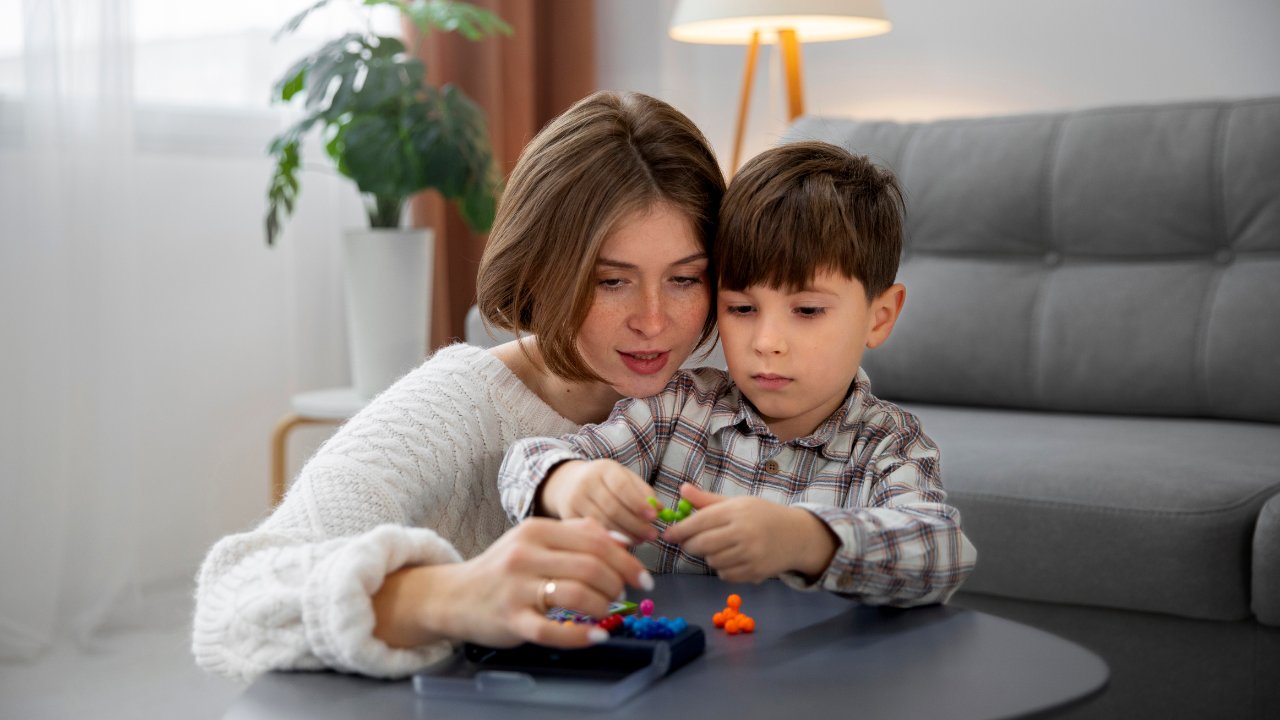
Motherhood can be a beautiful and rewarding experience, but for many mothers with autism, it can also be overwhelming and filled with unique challenges. Autism, often misunderstood as a condition that only affects children, also affects adults, including parents. If you’re an autistic mom or are growing up with an autistic mother, this blog will delve into the lived experiences of autistic parents, the struggles they face, and the strengths they bring to the table.
By discussing how autism interacts with motherhood, we hope to foster greater understanding and support for autistic parents. Let’s take a closer look at what it’s like to be an autistic mother.
What is it like to be an autistic mother?
Being an autistic mom is not the same as being a non-autistic mom, and the differences can be both rewarding and challenging. Autistic individuals often experience sensory sensitivities, social difficulties, and heightened emotional responses, which can affect how they interact with their children and handle the everyday demands of parenting.
Sensory overload is a common issue for many autistic mothers. Research has found that about 96% of autistic individuals experience difficulties with sensory processing, which is the ability to interpret and respond to sensory stimuli like sound, light, texture, and smell. As a mother, these sensory demands become magnified.
A crying baby, the buzzing of fluorescent lights, or the sound of a dishwasher can be overwhelming, leaving an autistic mom drained, anxious, or stressed. This heightened sensitivity often leads to difficulties managing the intense and constant sensory input of raising children.
In addition to sensory overload, many autistic mothers also struggle with social expectations and communication difficulties. Society tends to have a narrow view of what a “good mother” should look like, often expecting warmth, social engagement, and an intuitive understanding of children’s needs. However, for an autistic mom, these expectations may feel foreign or challenging to meet. Understanding social cues and engaging in small talk can be incredibly challenging, leading to feelings of isolation or judgment from others.
Despite these challenges, autistic moms bring unique strengths to their parenting. Their heightened attention to detail and deep empathy often translate into an ability to tune into their children’s needs profoundly and meaningfully. Autistic mothers may also excel at problem-solving due to their analytical minds. They might take a structured, systematic approach to parenting, ensuring that their children’s lives are organized and predictable—qualities that can be very beneficial in raising well-adjusted kids.
Is My Mother Autistic? (From a child’s perspective)
It can be challenging to recognize autism in a mother, especially if she wasn’t diagnosed when she was younger. For children, understanding whether a mother might be autistic often comes from looking back at their experiences and how their mother responded to various situations.
Autism in adults can sometimes look different from the way it manifests in children. Many classic signs—like stimming (repetitive movements or sounds), difficulties with social interactions, and a preference for routine—might not be as obvious in an adult woman. However, autistic traits in mothers may still manifest in ways that affect family life. For instance, a mother who struggles with sensory overload might become more easily irritable or withdraw from family activities when the environment becomes overwhelming. She may also have trouble expressing emotions in ways that are easily understood by others, leading to communication difficulties.
When considering whether a mother may be autistic, it’s essential to look for patterns in her behaviors. Social difficulties, such as avoiding large social gatherings or understanding specific social cues, are common in autistic adults. A preference for routine and difficulty with change could also point to autism. It’s essential to keep in mind that these signs may not always be recognized or acknowledged, especially in previous generations when awareness and diagnostic criteria for autism were less developed.
The Strengths of Being an Autistic Parent
While being an autistic mom presents its challenges, it also offers a unique set of strengths. Autistic mothers tend to be incredibly focused, attentive, and dedicated to ensuring their children’s well-being. Because they may see the world differently, they often approach parenting from a fresh perspective, emphasizing structure and predictability—traits that can be beneficial for a child’s development.
One of the greatest strengths of autistic mothers is their deep connection to their children. Many autistic parents feel emotions very intensely, allowing them to develop strong bonds with their kids. Their heightened empathy often means they understand their children’s needs even without words. The analytical thinking that comes with autism may also make them excellent problem-solvers when faced with parenting challenges.
Common Challenges Faced by Autistic Mothers
Sensory Overload
One of the most overwhelming challenges for an autistic mom is sensory overload. Being a parent requires constant multitasking, and the sensory demands that come with it can be challenging to manage. Autistic individuals often have heightened sensory sensitivities, which means the sensory stimuli they encounter daily—such as children playing, the sight of clutter, or the chaos of a busy home—can become too much to handle.
- Constant Competing Stimuli: The combination of loud noises, bright lights, and the overwhelming energy of children can create an environment where it’s hard to focus and process what’s happening around them. For an autistic mother, even the everyday sounds of daily life—like cooking, talking, or cleaning—can be exhausting.
- Increased Stress: The overload of sensory input often leads to stress and anxiety. Autistic mothers may find it more challenging to manage these feelings, which can have a significant impact on their ability to parent effectively. The stress from sensory overload can lead to burnout, leaving the mother emotionally drained.
Navigating Societal Expectations
Autistic mothers often feel the pressure to conform to societal norms about motherhood, which can lead to a sense of isolation and frustration. These expectations can be overwhelming and unrealistic, especially when they don’t align with the mother’s neurodivergent way of experiencing the world.
- Pressure to Act “Normal”: Society tends to have certain expectations about how mothers should behave, such as attending social gatherings, engaging in casual conversations, or participating in group activities like playdates. For an autistic mom, these social norms can be exhausting and challenging to navigate, causing emotional fatigue.
- Feeling Isolated: Autistic mothers may struggle with the cultural expectation to fit into a “typical” maternal role. This can make them feel like they’re falling short or failing as mothers, even though their experience of motherhood is just different—not inferior.
Heightened Sensitivity and Stress Responses
Autistic individuals often experience heightened sensitivity to stimuli, including emotional and physical stress. This sensitivity can make managing the challenges of motherhood even more difficult.
- Increased Stress Responses: Research shows that many autistic mothers experience higher stress responses due to their sensory sensitivities. This means that what might be a minor inconvenience for others—like loud children, unplanned changes in routine, or high-energy activities—can feel overwhelming for an autistic mom, increasing their stress and anxiety levels.
- Difficulty Adapting: This heightened sensitivity makes it difficult for autistic mothers to adapt to the demands of parenthood. The constant need to manage sensory inputs while also fulfilling the needs of their children can leave them feeling overwhelmed and underappreciated.
Coping Strategies and Support Systems
Building a Strong Support Network
For autistic mothers, having a strong support network is absolutely essential to managing the unique demands of both autism and motherhood. The role of support extends beyond just emotional help—it can include practical assistance, shared understanding, and encouragement when challenges feel overwhelming. Support can come in various forms:
- Online Communities: Connecting with other autistic parents through online forums and social media can offer a sense of camaraderie and provide invaluable advice from those with similar experiences.
- Therapy: Speaking with a therapist who understands both autism and the intricacies of motherhood can help navigate emotions and develop healthy coping mechanisms.
- Family and Friends: Having a reliable circle of friends who understand autism can be a tremendous help. They can offer physical assistance or emotional support, making the daily pressures of parenting easier to handle.
- Autistic Parent Support Groups: Joining a support group specifically for autistic parents provides a safe space to share experiences and strategies with others who understand the challenges firsthand. These groups often become a source of comfort and practical advice.
Practical Coping Strategies
Being an autistic mother means navigating multiple responsibilities, so developing practical coping strategies is key to managing everyday life. Here are some strategies that can make a big difference:
- Creating a Predictable Environment: Structure and routine are often critical for autistic parents. Setting up consistent daily routines for both the parent and child can help reduce stress and anxiety. Knowing what to expect can provide a sense of control in an otherwise chaotic environment.
- Sensory Breaks: Sensory overload is a significant challenge for many autistic individuals, including mothers. Incorporating sensory breaks into the day—such as quiet moments or time away from busy environments—can help recharge and prevent burnout. These moments of peace are crucial for emotional and physical well-being.
- Quiet Time: Ensuring designated quiet time throughout the day allows the parent to recharge and process the sensory stimuli they’ve experienced. This break is vital to maintain energy levels and emotional balance.
Communicating Needs with Family, Partners, and Educators
Effective communication is vital in every family dynamic, but it is especially important for autistic mothers. Clear communication with partners, family members, and educators helps ensure that needs are understood and adequate support is provided. Some tips for effective communication include:
- Open Dialogue: Discussing personal challenges and setting clear expectations with a partner can help share the workload and create a more supportive environment at home.
- Partnering with Educators: Ensuring that teachers or caregivers are aware of the specific needs of an autistic mother can create an environment that respects boundaries and promotes mutual understanding.
How Autism Affects Parenting Styles

An autistic parent’s approach to raising children is often defined by structure and predictability. Routine becomes central in the home, which can provide stability and comfort for children. For an autistic mom, routines not only help them manage the sensory overload of everyday life but also help children feel secure in their surroundings. Communication with children is often clear and direct, focusing on concrete expectations and nurturing understanding.
Navigating Mental Health as an Autistic Parent
Mental health is a significant factor in the lives of many autistic mothers. The unique challenges of raising children, combined with sensory sensitivities and social difficulties, can sometimes lead to anxiety, depression, and self-doubt. Research shows that autistic moms experience higher levels of stress due to their heightened sensitivity, which can make emotional well-being a priority.
Taking care of mental health is vital for all parents, but for autistic mothers, it may require extra attention. Self-care strategies such as therapy, journaling, or calming activities can help ease stress. Open conversations about mental health within the family and with healthcare professionals can also support autistic mothers in navigating their emotional landscape.
The Impact of Autism Awareness on Parenting
As awareness of autism grows, so does the understanding of its effects on parenthood. Increased awareness can help autistic moms receive more support from society, educators, and healthcare providers. Understanding autism in the context of motherhood helps create a more accepting and supportive environment where both mothers and children can thrive.
Additionally, fostering acceptance of neurodiversity within the family can have long-term benefits for children. Raising children with an understanding of autism and neurodiversity encourages them to be more empathetic, inclusive, and supportive of differences, creating a more positive and accepting home environment.
Conclusion
Being an autistic mom comes with its own unique set of struggles, but it also comes with immense strengths. The challenges of sensory overload, navigating social expectations, and balancing motherhood with personal needs can be overwhelming.
Still, autistic mothers often possess the deep empathy, focus, and problem-solving skills that make them incredible parents. With the proper support, open communication, and an understanding of autism, autistic mothers can create fulfilling, loving, and structured homes for their families.
If you’re an autistic mom or growing up with an autistic mother, remember that you’re not alone. By continuing to raise awareness, we can ensure that every autistic parent has the resources and understanding they need to thrive.




