
 By Walker Evans
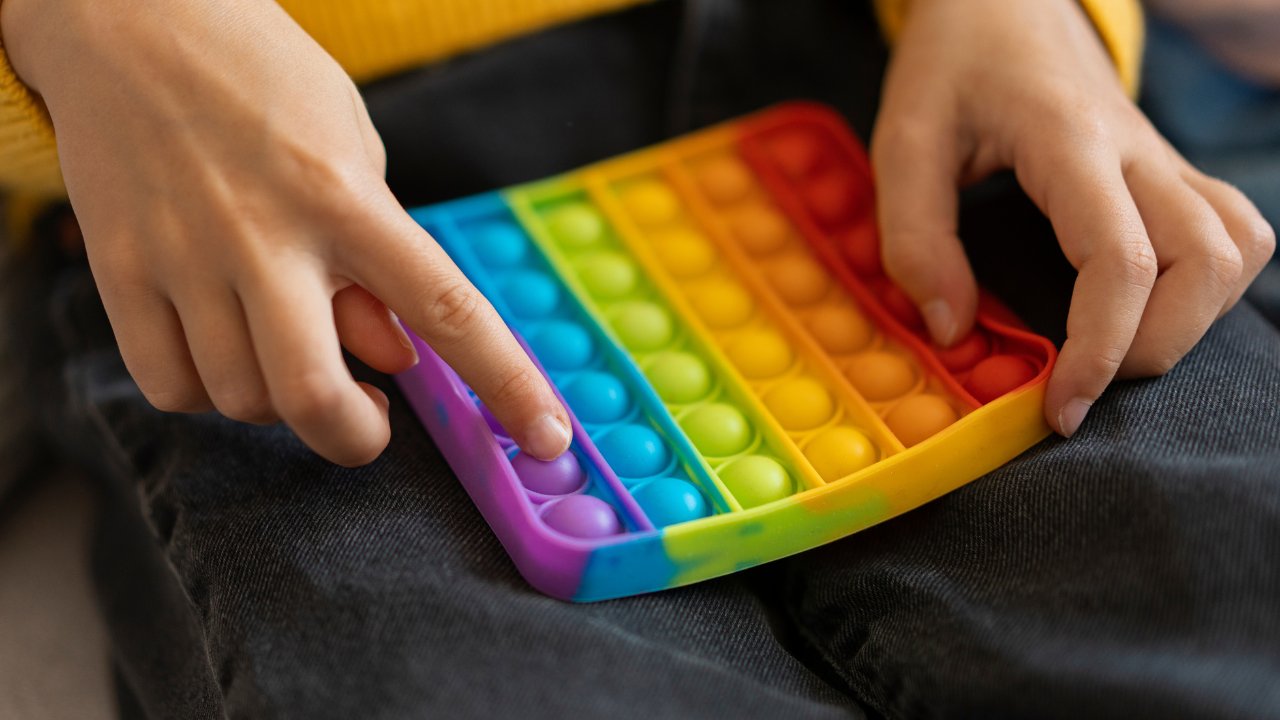
If you’re a parent, caregiver, or educator of a child on the autism spectrum, chances are you’ve seen—or even purchased—one of those colorful, bubble-filled silicone squares or shapes known as pop-it fidget toys.
Now, it’s not just a fad; there are actual reasons behind the pop-fidget toys. These toys help children on the autism spectrum by helping them stem sensory overloads in everyday life situations. Pop-fidget toys are sensory tools that help neurodivergent children mitigate sensory overloads.
It’s why they’ve become a near-constant presence in schools, therapy centers, car rides, and even bedtime routines. With their vibrant designs and satisfying “pop” sensation, these toys have quickly evolved from a trend to a staple in many households with neurodivergent children.
But beyond the fun and fidgety appeal, many families are asking a more important question:
Why do autistic kids like pop-its so much—and are they actually helpful?
In the world of autism support, where sensory regulation, emotional management, and focus challenges are common, finding the right tools can make a world of difference. That’s why pop-it fidget toys have caught the attention of occupational therapists, educators, and parents alike.
In this blog, we’ll examine pop-it toys, how they interact with the sensory and emotional needs of autistic children, and why they’ve become a go-to tool for so many families. We’ll also explore any potential downsides and offer tips on how to use them most effectively.
Whether you’re already a fan or just curious, this guide will help you understand the real impact of these simple yet powerful sensory tools.
What Are Pop-It Fidget Toys?
Pop-it fidget toys are simple yet incredibly engaging silicone-based sensory tools that provide tactile stimulation and stress relief.
They feature a grid of soft, flexible bubbles that can be pushed in and out, similar to the irresistible feeling of popping bubble wrap, but far more sustainable and quieter. Once you’ve popped all the bubbles on one side, flip the toy and start again.
There’s an endless variety of shapes, colors, sizes, and themes—from bright rainbow circles and squares to novelty designs like dinosaurs, unicorns, food items, and even alphabet boards.
Some versions even include built-in games or numbers to support learning through play. Whether your child loves symmetry, vivid colors, or familiar characters, there’s a pop-it out there to match their interests.
Originally created as stress-relief and fidget tools for general anxiety and ADHD, Pop-Its exploded in popularity thanks to social media trends and their satisfying, repetitive action.
But their greatest strength lies in their ability to meet the sensory needs of autistic children and others who benefit from consistent, calming input.
At So Special Too, we’re passionate about embracing tools that empower neurodivergent kids to feel calm, focused, and confident in their environments.
Pop-it fidget toys aren’t just a passing fad—they’ve become a trusted, go-to item in countless sensory toolkits, classrooms, therapy sessions, and homes. Whether used for calming breaks, transitions, or simply for fun, these toys have carved out a special place in autism support.
How Pop-It Toys Can Help Kids on The Spectrum
You might wonder why Pop-It fidget toys have become such a staple in the lives of many autistic children. The answer lies in their unique ability to support key developmental needs, particularly in sensory processing, emotional regulation, and focus.
These are often areas where children on the autism spectrum face challenges, and the right tools can make a big difference.
Here’s a closer look at how Pop-Its can be incredibly supportive:
Sensory Regulation
Many autistic children experience sensory processing differences—meaning they may be overly sensitive or under-responsive to certain sounds, textures, or sensations. So simply providing them with a sensory tool won’t cut it. You need to know which pop-its will help them in sensory regulation and how to use them to their fullest potential.
Pop-its offer a safe, consistent source of sensory input. The gentle “pop” provides tactile stimulation through finger pressure and soft, non-overwhelming auditory feedback.
This combination can be soothing for children who are overstimulated or engaging for those who seek more sensory input.
Unlike some sensory tools, which can be noisy or distracting, Pop-Its strike a perfect balance: stimulating enough to satisfy sensory needs but quiet enough to be classroom—and therapy-friendly.
Improved Focus and Attention
For many autistic children, especially those with co-occurring ADHD or executive functioning difficulties, staying focused in a structured environment can be a real challenge. That’s where fidget tools like Pop-Its come in.
By keeping their hands busy in a repetitive, rhythmic motion, Pop-Its can help children:
- Reduce restlessness
- Maintain attention
- Stay calm and present during tasks like reading, writing, or listening
Unlike traditional toys, Pop-Its don’t require complex rules or motor planning. The simplicity of the popping motion allows the brain to engage with other cognitive tasks, making it an ideal tool for classrooms and learning environments.
Emotional Self-Regulation
Transitions, changes in routine, and overstimulating environments can trigger stress, anxiety, or meltdowns for many autistic children. Pop-it toys can be a powerful ally in these moments by offering a repetitive, soothing action that helps kids self-regulate emotionally.
Whether it’s the start of the school day, a trip to the grocery store, or a moment of frustration at home, popping can serve as a coping mechanism, helping children feel more in control and less overwhelmed.
Some parents and therapists even incorporate pop-its into calm-down routines or sensory breaks to ease transitions and provide comfort during stressful periods.
Repetition and Predictability
Pop-it fidget toys have captured the imagination of everyone worldwide, and there’s a good reason for it. Many children on the autism spectrum find comfort in repetitive behaviors and predictable routines. This isn’t just a preference—it’s often a form of self-soothing or a way to make sense of the world. Pop-it toys naturally support this by offering a repetitive, structured activity with a consistent sensory response.
Every bubble pops similarly, creating a loop that children can control and return to whenever they need a moment of calm. This sense of predictability and mastery can be incredibly empowering, especially when many aspects of daily life are uncertain.
At So Special Too, we recognize the importance of tools that help children feel grounded, safe, and understood. Pop-its may seem simple, but their benefits go far beyond fun—they’re a bridge to emotional balance, sensory satisfaction, and improved engagement in everyday life.
Why Do Autistic Kids Like Pop-Its?
You may have noticed that Pop-It toys quickly become a favorite for many autistic children—and that’s no coincidence. There are plenty of ways they help neurodivergent children find the right balance in life.
These seemingly simple sensory toys offer a unique blend of consistency, stimulation, and autonomy that aligns closely with how many autistic individuals experience and respond to the world.
Here’s a deeper look at why pop-its resonate so strongly with autistic kids:
Predictability and Repetition
With people around the world looking to integrate different sensory tools and routines to ensure neurodivergent children get the best care, it’s no surprise they are looking everywhere, from music therapy to pop-it fidget toys.
One of the core reasons pop-its are so comforting to autistic children is their predictability. Every time a bubble is pushed, it responds similarly—with a satisfying, consistent pop. This reliable sensory feedback can be incredibly soothing, especially for children who may find the unpredictability of social or environmental stimuli overwhelming.
The repetitive and rhythmic nature of these toys provides a calming rhythm, helping reduce anxiety and offering a sense of stability. For many autistic kids, routines and patterns are not just preferences—they’re essential ways to make sense of the world. Pop-its deliver that in a playful, stress-free form.
Visual Stimulation and Aesthetic Appeal
Pop-its are designed to be visually engaging. Bright colors, geometric patterns, and symmetrical layouts appeal to many autistic children. These visual elements can offer more than just fun—they stimulate the visual senses in a gentle, satisfying way.
Some children may be drawn to certain colors or patterns and find comfort in watching the sequence of popped bubbles, further enhancing the toy’s soothing effect. It’s not just about touch; Pop-Its also support multi-sensory engagement, a big plus in sensory play. These toys are so good that you will find them in classrooms that teach neurodivergent children. So we believe that sensory tools are a necessity when it comes to ensuring the best quality care.
Control and Autonomy
Dealing with change is hard. Many autistic children struggle with environments or situations that feel out of their control—loud noises, sudden changes, or overwhelming social dynamics. Pop-its offer an opportunity to regain control in a safe, manageable way.
The child decides:
- When to start or stop
- Which bubble to pop
- How fast or slow to go
- Whether to use it alone or in shared play
This autonomy fosters confidence, self-awareness, and independence. Even something as simple as choosing how to use a toy can be incredibly empowering for a child navigating a world that often feels unpredictable.
Safe and Healthy Stimming
Stimming—short for self-stimulatory behavior—is a natural and important part of how autistic individuals regulate emotions, focus attention, or express excitement. It might look like hand-flapping, rocking, or repeating sounds or movements.
Pop-its provide a safe, socially acceptable form of stimming that supports emotional self-regulation and helps children feel calm and centered. Instead of suppressing these natural behaviors, pop-its allow kids to engage in healthy, appropriate sensory play without judgment.
At So Special Too, we believe in embracing stimming, not discouraging it. Our goal is to offer tools that help children thrive as they are, and pop-its are a perfect example of a stim-positive sensory resource.
Neurodivergent children often gravitate toward pop-it toys because they meet essential needs for predictability, control, visual stimulation, and safe sensory input. These toys are more than just trendy—they’re deeply aligned with how many neurodivergent children experience and cope with the world around them.
Whether it’s used during a sensory break, a classroom transition, or a moment of anxiety, a pop-it can be a quiet, consistent, and comforting presence.
Are There Any Downsides to Pop-It Fidget Toys?
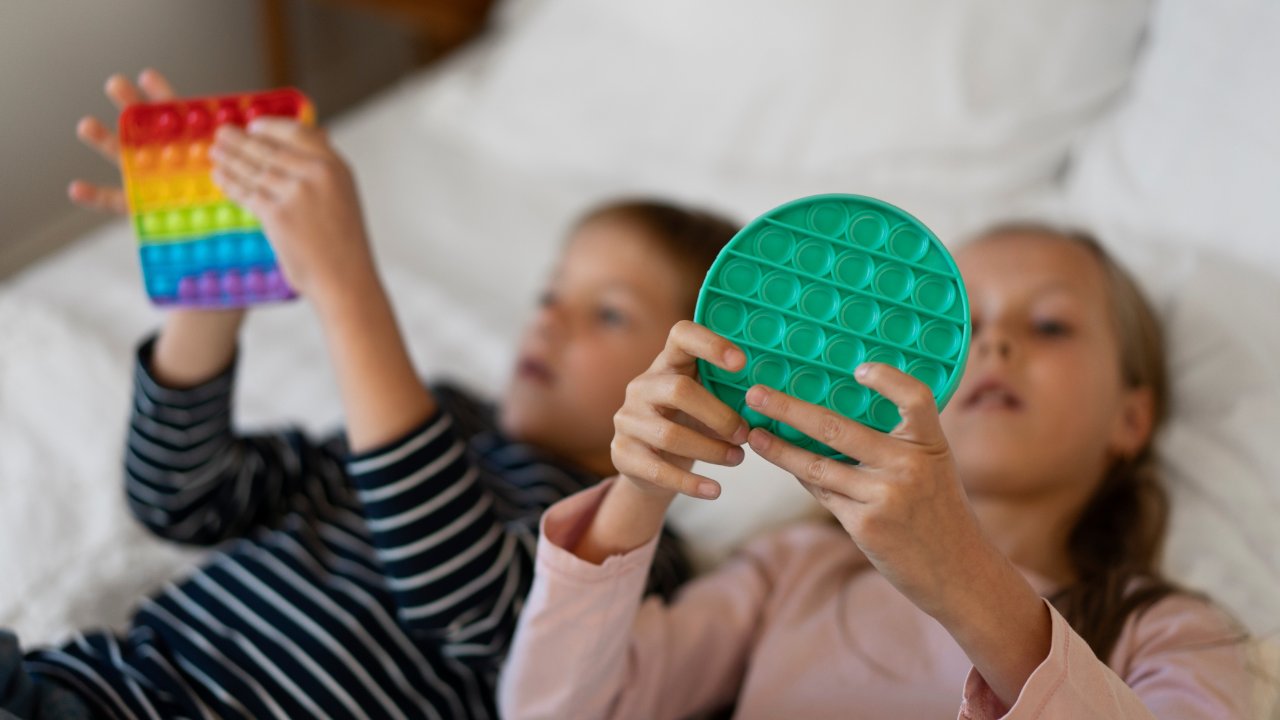
While pop-it fidget toys offer a range of wonderful benefits for many autistic children, it’s important to remember that no single tool works for every child in every situation. Like any sensory support, Pop-It toys have dos and don’ts. Pop-it toys should be used thoughtfully and as part of a broader approach to emotional and developmental growth.
Here are a few important considerations to keep in mind when introducing pop-its into your child’s routine:
Potential Distraction in Learning Environments
We don’t have to tell you how big Pop-It fidget toys are. You can find them in homes, playgrounds, and even in classrooms. Although pop-its can help improve focus for some children, they can also become a distraction in certain settings, especially when focus on language, math, or fine-motor tasks is required. If a child becomes too absorbed in the popping action or uses the toy to escape challenging tasks, it may work against the goal of maintaining attention.
In classroom or therapy settings, it’s a good idea to set clear expectations around when and how Pop-Its can be used. For example:
- Use during designated sensory breaks
- Incorporate into transitions or reward systems
- Keep them tucked away during direct instruction unless needed for regulation
Overreliance as a Coping Mechanism
One of the questions we often face is, “Do Pop-it toys work for neurodivergent children?” We tell them there is no simple answer. Each child is unique, and they respond to different stimuli differently.
One of the most powerful aspects of pop-its is their ability to soothe and regulate emotions, but this strength can also lead to overdependence if the toy becomes the only coping tool a child uses.
If a child reaches for a pop-it every time they feel frustrated, anxious, or overwhelmed, it may unintentionally limit the development of other emotional regulation strategies, such as deep breathing, asking for help, or using language to express feelings.
That doesn’t mean pop-its are “bad”—it just means they should be used in balance with other tools and techniques. Supporting your child in building a diverse coping toolbox will serve them well in the long run.
Not Every Child Will Enjoy Them
It’s also worth noting: not all autistic children will like pop-its. And that’s perfectly okay.
Some kids may not find the popping sensation engaging. Others might be more sensitive to the texture or sound or simply prefer different types of sensory input, such as weighted items, visual timers, or oral motor tools.
The key takeaway? Every child is unique. What’s calming for one may be overstimulating or uninteresting to another.
At So Special Too, we encourage parents, caregivers, and educators to observe the child’s response, offer various sensory options, and never force a particular tool just because it’s popular.
How to Use Pop-Its Mindfully
To get the most out of pop-its without running into potential downsides, here are a few simple tips:
- Introduce gradually, and notice how your child responds.
- Use them intentionally, not just as a default behavior management strategy.
- Pair with other tools like social stories, sensory bottles, or breathing techniques.
- Communicate with teachers or therapists about when and how the toy is most effective.
In the end, pop-it fidget toys can be a fantastic part of your child’s sensory support system, but they work best when used mindfully and alongside a well-rounded approach to emotional and sensory development.
Looking for more tools that match your child’s needs? Explore our carefully curated Sensory Play Collection—we’ve handpicked items that empower kids to thrive, their way.
Tips for Parents and Educators: Using Pop-Its Effectively
Thinking about adding pop-it fidget toys to your child’s or student’s sensory support plan? Great choice! These tools can be incredibly helpful when used with intention and flexibility.
Parenting a neurodivergent child is hard. Whether you’re a parent managing meltdowns at home or a teacher supporting diverse learners in the classroom, these tips will help you use pop-its in a way that’s safe, balanced, and beneficial.
Choose High-Quality Toys
Not all pop-its are created equal. Some lower-quality versions may contain questionable materials, tear easily, or lack the sensory satisfaction that makes these toys so effective. When choosing a pop-it, look for:
- Durable, food-grade silicone (especially if your child tends to mouth objects)
- Smooth edges and well-defined bubbles for better tactile feedback
- Non-toxic, BPA-free certification
At So Special Too, we carefully select sensory toys with safety and durability in mind, so you can feel confident that your child is using a tool built to last and safe to handle.
Use in Moderation and With a Clear Purpose
While pop-its are fun and soothing, using them all day long can lead to overuse or dependence, especially if they become a go-to tool for managing every emotion or distraction.
To make the most of their benefits:
- Offer structured time for sensory breaks that include pop-it play
- Create clear routines around when and where pop-its can be used (e.g., “You can use your pop-it during quiet time, after we finish reading.”)
- Encourage a balance between free play and guided use, so the toy doesn’t interfere with engagement in learning or social activities
Moderation allows the toy to remain effective and supports broader emotional growth.
Integrate Thoughtfully Into Daily Routines
Pop-its work best when part of a planned sensory strategy, not a last-minute fix or distraction. Think of them as a preventative tool that helps a child stay regulated, rather than something to calm them after they’ve hit a meltdown point.
Here are some great times to use pop-its:
- During transitions, like getting ready for school or changing activities
- As part of a calm-down corner or sensory kit
- Before bedtime to reduce pre-sleep anxiety
- On-the-go, such as car rides, waiting rooms, or outings
They can even be paired with calming techniques like deep breathing or stretching to reinforce emotional regulation skills.
Respect Individual Preferences
It’s easy to get caught up in what’s popular or what works for other kids—but remember: every child is different. Remember, respect and clear communication is key to helping neurodivergent children.
Some autistic children may love pop-its from the moment they try one. Others might not connect with the texture, sound, or activity—and that’s completely okay.
Instead of pushing the toy, offer it as a choice:
“Would you like to use your pop-it or your weighted lap pad right now?”
This empowers the child to self-advocate and develop their sensory preferences.
Explore Pop-It Variations for More Engagement
If the classic pop-it isn’t holding your child’s attention, consider exploring different formats:
- Mini keychain pop-its: Perfect for backpacks or on-the-go comfort
- Game-based pop-its: Turn popping into a structured two-player activity for social or cognitive development
- Alphabet or number pop-its: Combine sensory play with early literacy and numeracy learning
- Shapes and themed designs: Let your child choose based on their favorite colors, animals, or interests
Mixing it up keeps things fresh and helps you match the toy to your child’s learning style or sensory profile.
Final Thoughts: Are Pop-Its Worth It?
Yes! Pop-It fidget toys can be incredibly helpful for autistic kids, especially when used with intention. They offer sensory support, emotional regulation, and a safe way to stim. But like any tool, they’re most effective when tailored to the individual child’s needs.
At So Special Too, we help you discover the best resources to support your child’s growth, development, and joy. Whether it’s a Pop-It, a weighted blanket, or a communication aid, every child deserves tools that make their world more comfortable and empowering.




