
 By Walker Evans
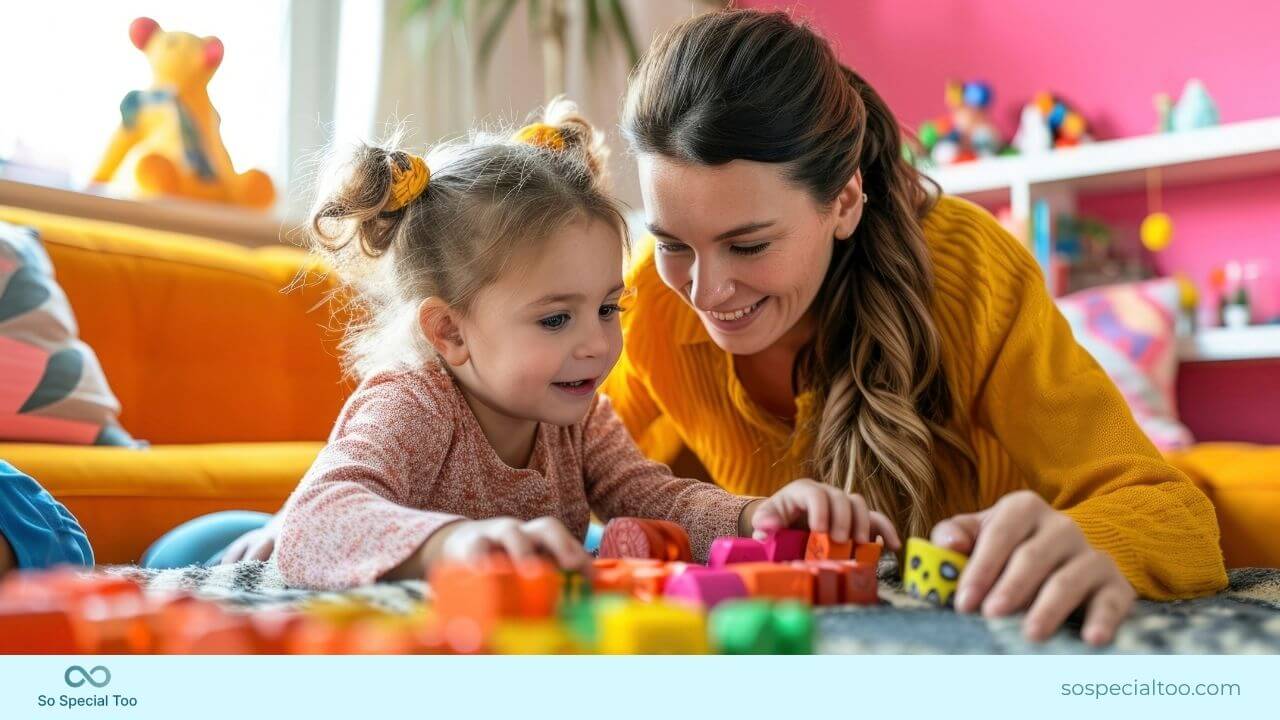
Every child learns and grows through thousands of small discoveries. A baby recognizing a familiar face, a toddler figuring out how a toy works, or a preschooler creating an imaginary story are all examples of cognitive development in action.
Cognitive development milestones describe the thinking and learning skills children develop as they grow. These abilities influence how children understand information, remember experiences, solve problems, make decisions, communicate, and interact with the world around them.
While every child develops at their own pace, understanding common cognitive milestones can help parents recognize progress, encourage learning through everyday activities, and know when to speak with a healthcare professional.
Key Takeaways
- Cognitive development includes memory, attention, reasoning, problem-solving, imagination, and decision-making.
- These skills begin developing early in life and gradually become more complex as children grow.
- Talking, reading, playing, exploring, and solving simple problems can all support cognitive development.
- Developmental milestones are general guides, not strict deadlines.
- If a child loses previously learned skills or a parent has concerns about development, discuss those concerns with a healthcare professional.
What Are Cognitive Development Milestones?
Cognitive development milestones are skills that show how children learn, think, remember, understand, and solve problems. These skills include recognizing patterns, developing memory, understanding cause and effect, maintaining attention, using imagination, making decisions, and learning through exploration.
They can appear in simple everyday moments long before a child begins formal schooling. When a baby shakes a toy and realizes it makes a sound, they begin to understand cause and effect. When a toddler searches for a hidden object, they are using memory and early problem-solving. When a preschooler pretends a cardboard box is a spaceship, they use imagination and symbolic thinking.
As children grow, these abilities become more complex. Attention lasts longer, memory improves, pretend play becomes more detailed, and children begin using past experiences to solve new problems.
Cognitive development is not only about academic learning. It also helps build the foundation for independence, communication, social understanding, everyday decision-making, and future learning.
Why Are Cognitive Development Milestones Important?
The early years are a critical period for brain development because children constantly learn through relationships, movement, play, observation, and exploration.
The Center on the Developing Child at Harvard University explains that early experiences help shape developing brain architecture and provide a foundation for later learning, behavior, and health. Responsive interactions with caregivers are an important part of that developmental environment.
For parents, this does not mean every moment has to become a lesson. Many valuable learning experiences happen naturally. Talking about what you are doing while preparing a meal, reading a book together, answering a child’s questions, or letting them experiment with blocks can create opportunities to practice thinking and problem-solving.
Understanding milestones can also help parents notice how their child is progressing over time. The goal is not to compare children against one another but to become familiar with the kinds of skills that tend to emerge as development moves forward.
Cognitive Development Milestones by Age
Every child develops differently, so use milestone charts as general guidance rather than strict deadlines. A child may develop one skill type earlier while taking more time with another.
| Age | Cognitive Development Focus | Examples |
| 0–3 months | Early awareness and attention | Watches faces, reacts to familiar voices, follows moving objects |
| 4–6 months | Exploration and early memory | Reaches for objects, explores toys, begins noticing cause and effect |
| 7–12 months | Early problem-solving | Looks for hidden objects, copies actions, experiments with how objects work |
| 1–2 years | Memory and simple reasoning | Remembers routines, recognizes familiar objects, follows simple directions |
| 2–3 years | Independent thinking and pretend play | Makes simple choices, uses pretend play, tries different solutions |
| 3–5 years | Stronger reasoning and learning | Asks questions, remembers stories, completes puzzles, recognizes patterns |
| 5+ years | More advanced thinking | Plans activities, follows more complex rules, develops stronger logical reasoning |
These examples show how cognitive development often becomes more complex over time. They are not meant to diagnose developmental differences or predict exactly when an individual child will master a particular skill.
Cognitive Development Milestones From Birth to 12 Months
During the first year of life, babies learn primarily through their senses, movement, repetition, and interactions with the people around them.
0–3 Months: Building Awareness
During the first few months, babies begin paying more attention to faces, voices, movement, and familiar sounds. They may watch a caregiver closely, turn toward a familiar voice, or visually follow an object moving in front of them.
Parents can support this early stage through simple interactions such as talking, singing, making eye contact, and responding to sounds and facial expressions. These everyday moments help babies begin to notice patterns and become familiar with the people and environment around them.
4–6 Months: Exploring the World
As babies gain more control over their movements, exploration becomes a bigger part of learning. They may reach for toys, grasp objects, explore them with their hands and mouths, and repeat actions that produce interesting results.
A baby who repeatedly shakes a rattle after hearing the sound is practicing early cause-and-effect thinking. Games such as peek-a-boo can also introduce simple ideas about memory, anticipation, and what happens next.
7–12 Months: Early Problem-Solving
Later in the first year, babies often become more purposeful in the way they explore objects. They may search for something that has been partly hidden, copy familiar gestures, move objects in and out of containers, or experiment with different ways to use a toy.
A baby repeatedly dropping an object to see what happens, searching for a hidden toy, or copying a caregiver’s gesture is practicing attention, memory, imitation, and early problem-solving through everyday play.
Cognitive Development Milestones in Toddlers Ages 1–3
Toddlerhood often brings a noticeable increase in curiosity and independence. Children begin to remember familiar routines, understand simple directions, experiment with objects, make choices, and try to do more things for themselves.
A toddler stacking blocks, for example, is learning about balance, space, planning, and what happens when a structure becomes unstable. A child sorting objects by color is practicing classification, while pretending to feed a doll shows the beginning of symbolic thinking.
Pretend play often becomes increasingly important during this period. A spoon can become a microphone, a box can become a car, and a toy animal can become part of an imaginary story. Through this type of play, toddlers practice memory, creativity, sequencing, and flexible thinking.
The CDC’s developmental milestone resources include learning, thinking, and problem-solving alongside language, social, emotional, and physical development. The CDC also emphasizes that milestone checklists support developmental monitoring and conversations with healthcare professionals rather than diagnosing a child.
Cognitive Development Milestones in Preschoolers Ages 3–5
Preschool children often become much more verbal about their thinking. Questions such as “Why?” “How?” and “What happens if…?” become regular parts of everyday conversation as children try to understand relationships between ideas and events.
Their memory may also become stronger. They may remember details from stories, follow multi-step directions, recognize patterns, complete increasingly challenging puzzles, and begin planning what they want to do before starting an activity.
Parents can encourage reasoning through ordinary conversation. Asking “What do you think will happen next?” during a story, “How could we make this tower stronger?” while building, or “What else could we try?” when something does not work gives children opportunities to think through possibilities.
At this age, the process of trying, adjusting, and trying again can be just as valuable as reaching the correct answer.
Cognitive Development in Children Ages 5 and Older
As children enter school and continue to grow, their cognitive skills often become more organized. They may become better at remembering several instructions, planning how to complete an activity, comparing ideas, understanding more complex rules, and explaining why they reached a particular answer.
School-age children may also begin applying knowledge from one situation to another. A child who learns about measurement during a classroom activity, for example, may later use the same idea while helping with cooking or building something at home.
Planning, attention, logical reasoning, memory strategies, organization, and decision-making continue developing beyond early childhood. Cognitive development does not suddenly end when a child reaches school age.
What Influences Cognitive Development?
Cognitive development is shaped by many interacting factors. Genetics play a role, but so do a child’s relationships, experiences, opportunities to explore, health, sleep, nutrition, and learning environment.
Relationships and Everyday Interaction
Children learn through interactions with the people around them. Conversations introduce new words and ideas, while responsive caregiving helps children connect actions, sounds, expressions, and experiences.
Even ordinary routines can create learning opportunities. Sorting laundry introduces matching and categorization. Preparing food can involve counting, sequencing, and describing textures. A walk outside can lead to conversations about colors, animals, weather, or why something happens.
Play and Exploration
Play is one of the main ways young children explore ideas. Building, sorting, pretending, drawing, solving puzzles, and experimenting with objects let children practice thinking without a formal lesson.
Parents can support this process by giving children age-appropriate opportunities to try things independently. When a child works through a puzzle or tries to build something, giving them a little time to experiment before stepping in can encourage persistence and problem-solving.
Sleep and Nutrition
Healthy development also depends on a child’s overall well-being. Adequate sleep supports a child’s ability to participate in everyday activities, while balanced nutrition provides the energy and nutrients needed for growth.
Neither sleep nor nutrition explains every developmental difference. If parents notice significant changes in learning, behavior, or previously acquired skills, a healthcare professional can help look at the bigger picture.

Everyday Activities That Support Cognitive Development
Supporting cognitive development does not require complicated activities or formal lessons. Some of the best learning opportunities happen naturally through conversation, play, reading, and everyday routines.
Read and Talk Together
Reading introduces children to language, new ideas, memory, and imagination. Instead of simply finishing the book, parents can pause occasionally to talk about what is happening, ask what their child notices in a picture, or wonder together about what might happen next.
Everyday conversations can work the same way. Asking children to describe something they saw, remember what happened earlier in the day, or explain how they solved a problem gives them opportunities to organize and communicate their thinking.
Use Puzzles, Blocks, and Learning Toys
Puzzles, blocks, matching games, and other hands-on activities can encourage children to experiment with shape, space, patterns, planning, concentration, and trial and error.
Parents looking for additional hands-on learning options can explore So Special Too’s collection of toys, sensory products, and learning tools. Parents can incorporate these products into play based on a child’s interests, abilities, and sensory preferences, rather than treating them as a replacement for everyday interaction or professional support.
Encourage Pretend Play
Pretend play gives children room to combine memory with creativity. They may recreate something they experienced earlier, invent an entirely new situation, or assign new meanings to familiar objects.
Playing restaurant, doctor, school, grocery store, or family can encourage children to think about sequences, roles, decisions, and what might happen next.
Let Children Solve Small Problems
It can be tempting to solve a problem immediately when a child struggles, but a short pause can create an opportunity to learn.
If a block tower falls, ask what they might change. If two puzzle pieces do not fit, encourage them to look at the shapes again. If a toy is out of reach, ask what they could safely use to bring it closer.
Parents can still provide support when needed. The goal is simply to give children appropriate opportunities to think before providing the answer.
How Can Parents Recognize Cognitive Progress?
Cognitive progress often appears gradually rather than as one dramatic change. Parents may notice that a child remembers routines more consistently, spends longer working on an activity, asks more complex questions, begins planning before acting, or finds new solutions to familiar problems.
A toddler may begin creating more detailed pretend-play scenarios, while a preschooler may start explaining why they chose a certain solution. An older child may use something learned in one setting to solve a problem somewhere else.
The important question is not whether a child is developing exactly like another child of the same age. It is whether they are continuing to learn, build skills, and interact with their environment over time.
When Should Parents Talk to a Healthcare Professional?
Milestones can help parents understand general developmental patterns, but they cannot diagnose developmental delays or conditions.
Parents should consider discussing development with a pediatrician or another qualified healthcare professional if they notice:
- A loss of skills the child previously had
- Limited developmental progress over time
- Ongoing difficulty responding to communication or interaction
- Concerns across several areas of development
The CDC explains that developmental monitoring and developmental screening serve different purposes. Monitoring involves observing development over time, while screening uses more formal tools to examine a child’s development more closely.
If concerns arise during monitoring, a healthcare professional can help determine whether screening or further evaluation is appropriate.
Families seeking additional support beyond general developmental information can also explore So Special Too’s services, including family-focused guidance, consultations, training, and other resources. These services can complement conversations with a child’s healthcare and education professionals when families need additional tools or support.
Frequently Asked Questions
Cognitive development milestones are abilities related to learning, memory, attention, reasoning, imagination, and problem-solving. They help show how a child’s thinking becomes more complex as they grow.
Cognitive development begins very early in life. Babies begin learning through sight, sound, touch, movement, repetition, and interactions with caregivers long before they can speak.
Parents can support cognitive development through everyday interaction. Reading, talking, pretend play, puzzles, building activities, matching games, outdoor exploration, and giving children opportunities to solve simple problems can all encourage thinking and learning.
No. Children develop at different rates, and milestone ages are general guidelines rather than strict deadlines. A child may develop certain skills earlier and others later. Parents who are concerned about their child’s progress should discuss those concerns with a healthcare professional.
Start by sharing your observations with your child’s healthcare provider. Explain which skills concern you, when you first noticed the difference, and whether any previously learned abilities have changed or disappeared. A healthcare professional can determine whether developmental screening, further evaluation, or additional support may be helpful.
Final Thoughts
Cognitive development milestones help parents understand how children gradually learn to think, remember, explore, imagine, and solve problems. From a baby discovering that shaking a toy makes a sound to a preschooler planning an imaginative game, everyday experiences give children opportunities to build increasingly complex thinking skills.
Parents can encourage this development through conversation, reading, play, exploration, and age-appropriate problem-solving. These activities do not need to feel like formal lessons. Some of the most meaningful learning happens naturally during ordinary family life.
Milestones help you recognize patterns and celebrate progress, but they are not strict deadlines and should not be used to diagnose a child. If you have concerns about your child’s development, speaking with a healthcare professional can help you understand what you are seeing and determine whether additional support may be useful.




