
 By Walker Evans
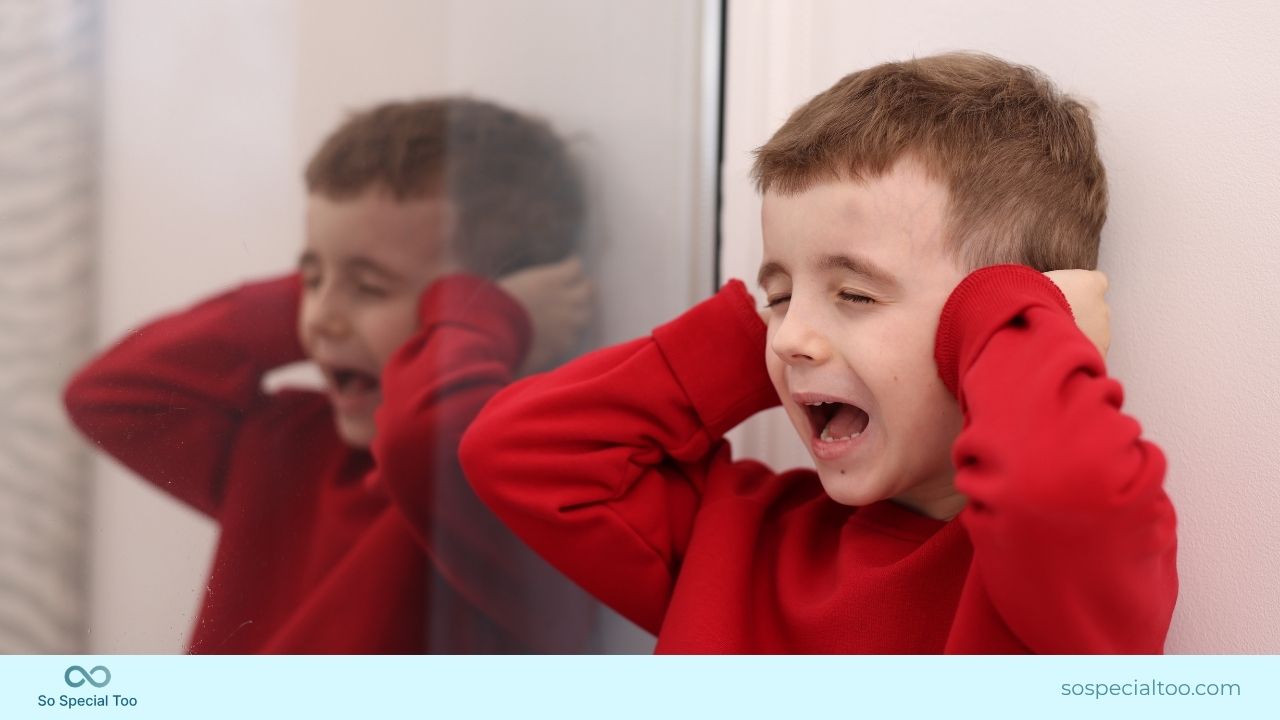
An autism meltdown can be confusing and distressing for both a child and their family. It is an intense response to overwhelming circumstances that can temporarily affect a child’s ability to manage their behavior or communicate. During a meltdown, parents can help by prioritizing safety, reducing noise and other stimulation, using fewer words, and allowing time for recovery.
A child may cry, scream, run away, hit, drop to the floor, cover their ears, or suddenly struggle to communicate. Although these behaviors can look like deliberate misbehavior, understanding the distress behind them helps parents respond to the child’s needs.
Support involves helping the child feel safe, understanding what contributed to the episode, and making future situations more manageable.
Key Takeaways
- Autism meltdowns can happen when a child becomes overwhelmed by sensory input, communication demands, changes, anxiety, physical discomfort, or several stressors together.
- Sensory overload can contribute to a meltdown, but it is not the only possible cause.
- During a meltdown, prioritize safety, reduce stimulation, use fewer words, and allow recovery time.
- Changes from a child’s usual behavior and simple tracking can help parents identify patterns.
- Frequent, severe, sudden, or unsafe episodes should be discussed with an appropriate healthcare or developmental professional.
What Is an Autism Meltdown?
An autism meltdown is an intense response to overwhelming circumstances in which an autistic child may temporarily lose control of their behavior or ability to respond in their usual way.
The National Autistic Society explains that meltdowns differ from temper tantrums. During a meltdown, an autistic person becomes overwhelmed and may express that distress through crying, shouting, kicking, or lashing out.
Not every meltdown looks the same. The same child may react differently depending on the environment, physical state, communication demands, and accumulated stress. Overwhelm can also lead to withdrawal or reduced interaction, which should not automatically be treated as the same response as a meltdown.
Autism Meltdown vs. Sensory Overload vs. Tantrum
| Situation | What it means | What parents can focus on |
| Sensory overload | Sensory information such as sound, light, touch, smell, or crowds becomes difficult to tolerate or process | Reduce overwhelming sensory input |
| Autism meltdown | The child becomes overwhelmed and temporarily loses control of their behavior or ability to respond in their usual way | Protect safety, reduce demands, and allow recovery |
| Tantrum | An emotional outburst often associated with frustration, unmet wants, or difficulty expressing needs | Stay calm, check basic needs, maintain appropriate boundaries, and teach skills when calm |
These experiences can look similar, and some contributing factors overlap. A tantrum should not automatically be interpreted as calculated behavior. The NHS guidance on tantrums identifies frustration, difficulty expressing needs, hunger, and tiredness as possible contributors.
Sensory overload may contribute to a meltdown, while communication difficulties, anxiety, changes in routine, pain, fatigue, or other stressors may also play a role. Understanding the situation is more useful than judging the behavior by its appearance alone.
What Can Trigger Autism Meltdowns?
There is no universal trigger list because autistic children have different sensory profiles, communication abilities, routines, and support needs.
NICE guidance recommends considering communication difficulties, pain or physical conditions, anxiety, coexisting conditions, lighting and noise, social environments, changes in routine, and lack of predictability when assessing challenging behavior.
Common contributors include:
- Sensory stress: Loud sounds, bright lights, strong smells, uncomfortable textures, crowds, or several sensory inputs at once.
- Transitions: Ending a preferred activity, changing plans, moving between activities, or coping with an unexpected event.
- Communication difficulties: Being unable to explain pain, ask for help, make a choice, or understand what is expected.
- Physical needs: Hunger, thirst, tiredness, illness, constipation, pain, or poor sleep.
- Emotional stress: Anxiety, fear, frustration, disappointment, or accumulated stress.
- Too many demands: Homework, social expectations, unfamiliar situations, or several instructions at once.
A meltdown may have several contributors, so looking for patterns is usually more useful than searching for one universal trigger.
How Can Parents Recognize Early Warning Signs?
Possible early signs include pacing, covering ears or eyes, repeated questions, withdrawal, trying to leave, increased irritability, or difficulty following familiar instructions. The National Autistic Society describes this early period of distress as the “rumble stage.” Recognizing it may give parents time to reduce stimulation or move somewhere quieter.
Look for changes from the child’s usual behavior and signs of discomfort. Rocking or other repetitive movements do not automatically indicate an approaching meltdown. The NHS explains that stimming can be calming and enjoyable, so familiar, harmless movements should not be discouraged simply because they are noticeable.
What Should Parents Do During an Autism Meltdown?
Think safety first, fewer demands second, teaching later.
Reduce sensory input
Move away from crowds when possible. Lower loud sounds, reduce harsh lighting, and remove unnecessary stimulation. A familiar quiet space may help if the child is comfortable moving there.
Use fewer words
An overwhelmed child may struggle to process long explanations. Use short, calm phrases such as “I’m here” or “We can wait.” Avoid asking several questions at once, and allow time for the child to respond without repeating instructions unnecessarily.
Give appropriate space
Do not assume touch will calm a distressed child. Some children find physical contact reassuring; others experience it as additional sensory input. Follow the child’s preferences and do not force eye contact or physical interaction.
Keep the situation safe
Move dangerous objects away and create space if the child is moving unpredictably. If there is immediate danger of serious injury, seek emergency help. Repeated safety concerns should be addressed through an individualized plan with an appropriate professional.
Allow recovery time
The end of visible behavior does not necessarily mean the child has fully recovered. They may remain tired, quiet, or sensitive afterward. Keep demands low while they settle.
How Can Parents Reduce the Likelihood of Meltdowns?
Reducing the likelihood of meltdowns starts with identifying patterns. Not every episode can be prevented, even with thoughtful support. For a few weeks, keep a simple record:
| What to track | Examples |
| Before | Noise, crowd, transition, homework, change in plan |
| Physical state | Hungry, tired, sick, poor sleep, discomfort |
| Early signs | Changes in pacing, covering ears, repeated questions, trying to leave |
| What happened | Crying, shouting, hitting, running, difficulty communicating |
| What helped | Quiet space, break, reduced demands, familiar activity |
| Afterward | Tiredness, quietness, sensitivity, need for rest |
Patterns may show that meltdowns happen repeatedly after school, in noisy shops, when a preferred activity ends, or when the child is already tired. Use those observations to plan breaks, prepare for transitions, or adjust expectations before distress builds.
How Can Parents Reduce Sensory Overload?
A sensory-friendly approach means reducing unnecessary overload and making reasonable adjustments around the child’s individual sensitivities.
- Noise: Use quieter rooms, reduce background sound, or consider ear defenders or headphones if the child finds them comfortable.
- Lighting: Use softer lighting or avoid known triggers.
- Crowds: Choose less busy times, quieter routes, or planned breaks.
- Clothing and touch: Choose comfortable fabrics and avoid textures that consistently cause distress.
- Quiet space: Provide a predictable place where the child can retreat when the environment becomes too intense.
Sensory tools can help some children, but select them based on individual needs rather than treating them as a universal solution.
How Can Communication Reduce Meltdowns?
Communication support can help a child express needs before distress escalates. A child who cannot easily communicate “That hurts,” “It is too loud,” “I need a break,” or “I do not understand” may have fewer ways to signal distress.
Use the child’s established communication method, whether speech, gestures, pictures, written words, signs, or augmentative and alternative communication (AAC).
Helpful strategies include giving one instruction at a time, using clear language, offering two simple choices, allowing extra processing time, and using visual schedules or “first–then” supports. Practice a familiar way to request help or a break when the child is calm, so it is available when a situation becomes difficult.
What Should Parents Do After a Meltdown?
Recovery is part of the support process. Give the child time to return to their usual level of activity. They may need quiet, rest, food or water, a familiar activity, or reduced expectations. Do not immediately demand a detailed explanation.
Later, when the child is calm and ready, look back at what happened using their usual communication method. Keep the discussion brief and focused on what could make the situation easier next time, without blame.
That could mean leaving a noisy environment earlier, changing how a transition is announced, reducing instructions, checking for physical discomfort, or planning a predictable break.
When Should Parents Seek Professional Support?
Consider professional advice when meltdowns are frequent, severe, increasingly difficult to predict, or significantly affecting school, sleep, eating, family life, or safety.
Professional assessment is especially important when there is significant self-injury, aggression that creates safety concerns, a sudden behavior change, suspected pain or illness, major sleep problems, or loss of previously developed skills.
Depending on the child’s needs, support may involve a pediatrician, psychologist, speech-language pathologist, occupational therapist, educator, behavior professional, or another qualified specialist. Observations at home and school can help professionals understand when and how support is needed.

Autism Meltdowns: A Practical Parent Plan
Create a short plan that parents and caregivers can follow consistently. Include common triggers, early warning signs, communication preferences, helpful responses, and safety steps. Note who should be contacted if a situation becomes unsafe.
Make the plan specific to everyday situations. For example, a shopping trip might involve choosing a quieter time, agreeing on a familiar signal for a break, and identifying somewhere to pause if the child becomes overwhelmed. Share the plan with relevant caregivers and school staff, and involve the child in ways that suit their communication needs.
Review the plan as the child’s needs change. Keep strategies that help, adjust those that do not, and use professional guidance when episodes remain frequent or unsafe.
Support for Families at So Special Too
Managing frequent meltdowns can be challenging while parents balance school, appointments, routines, and daily family life. So Special Too offers consultation and support services, online therapy through partner therapists, and caregiver workshops to help families explore support for their child’s needs.
Parents can also explore sensory activities for children with autism for ideas to adapt to their child’s preferences during everyday play. Choose activities the child enjoys and feels comfortable with; additional sensory input may not be helpful when a child is already overwhelmed.
Frequently Asked Questions
Autism meltdowns can have several contributors, including sensory overload, communication difficulties, unexpected changes, anxiety, fatigue, pain, hunger, sleep problems, or excessive demands. Looking at what happens before an episode can help identify patterns and guide changes to the child’s environment or support.
Focus on safety and reducing overwhelm. Lower noise and other stimulation when possible, use fewer words, avoid unnecessary demands, and give appropriate space. Follow the child’s preferences about touch and communication, and allow time for recovery without expecting an immediate explanation.
No. A meltdown is an intense response to overwhelm, while tantrums often involve frustration, unmet wants, or difficulty expressing needs. However, tantrums are not always deliberate, and the behaviors can look similar. Consider what happened beforehand and respond calmly to the child’s needs and safety.
Identify specific sensory triggers, watch for changes in your child’s usual behavior, and prepare for difficult environments. Quieter spaces, comfortable clothing, predictable breaks, and reduced background noise may help. Adjustments should follow the child’s preferences, and you may not be able to avoid every overwhelming situation.
Seek professional advice when meltdowns are frequent, severe, interfere substantially with daily life, or involve significant self-injury or risk to others. Sudden behavior changes, loss of skills, or suspected pain, illness, or sleep problems also warrant assessment. Seek emergency help if there is immediate danger of serious injury.
Conclusion
Managing autism meltdowns starts with understanding what overwhelm looks like for a particular child. Safety, reduced stimulation, familiar communication, and enough recovery time provide a practical starting point. Over time, noticing patterns can help families make everyday situations more manageable.
Support should help the child feel safer, express their needs, and participate in daily life in ways that work for them. A familiar way to ask for a break, an easier transition, or a calmer recovery can each represent meaningful progress.




