
 By Walker Evans
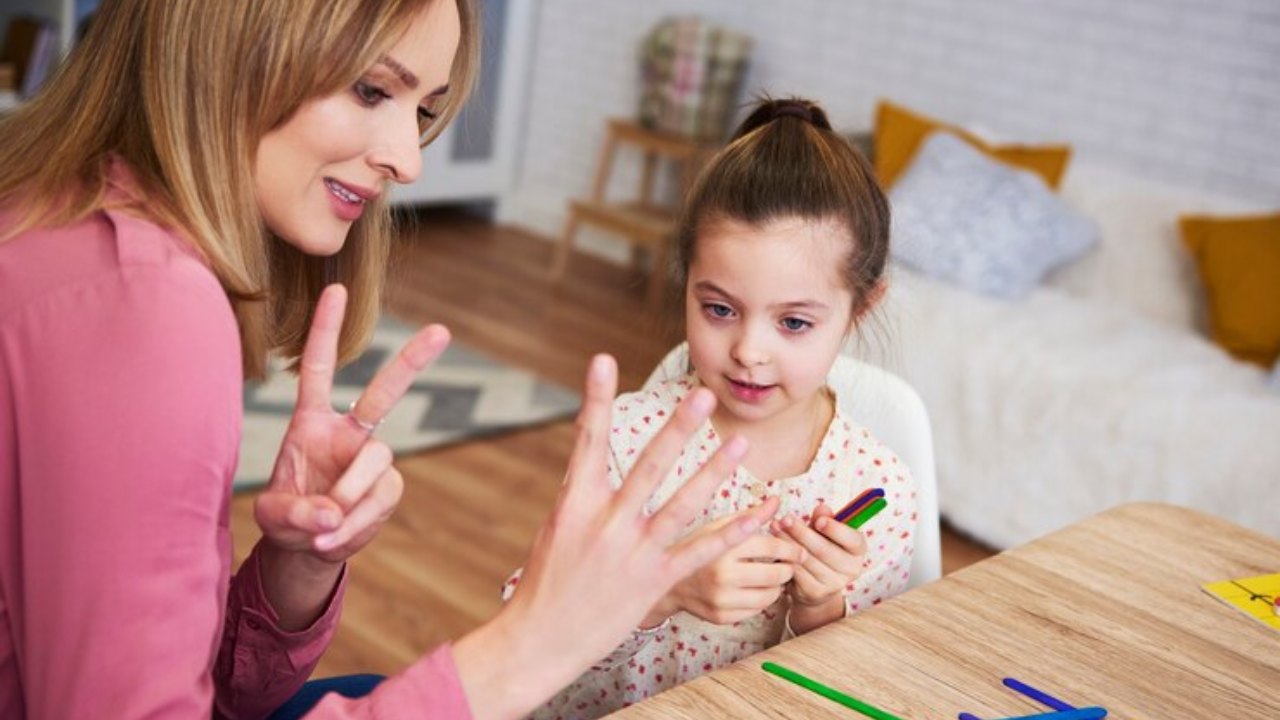
Imagine a world where words are locked away and emotions bubble beneath the surface, waiting for a channel to break free.
For many autistic children, this is their reality—a world filled with thoughts, feelings, and desires, yet often limited by the constraints of verbal communication. But what if there was a key?
A key that unlocks the door to a realm of understanding and connection. This key is sign language. A silent symphony of gestures that speaks volumes, sign language has emerged as a beacon of hope for countless families, bridging the gap between silence and expression.
In this blog, we’ll uncover the profound significance of sign language for autistic children and how, as parents, you can harness its power to transform your child’s world. Discover a language that goes beyond words, touching hearts and changing lives.
The Benefits of Starting Early: Sign Language for Autism
Incorporating sign language early on is more than just teaching a set of gestures; it’s about unlocking a world of potential for our children. It’s about understanding, connection, and growth.
As we delve deeper into the nuances of sign language in the subsequent sections, remember that the early years are not just about starting; they’re about setting the pace for a lifetime of meaningful communication.
Before starting, check the difference between Sign Language vs PECS (Picture Exchange Communication System).
Laying the Foundation for Communication
Introducing sign language early is akin to laying the foundation for a house. Just as a strong foundation ensures the stability of a building, early exposure to sign language provides a robust base for communication.
For autistic children who might find verbal communication challenging, this early introduction can be a game-changer. It offers them an alternative way to express themselves, reducing the frustration often associated with being unable to communicate their needs or feelings.
Boosting Cognitive and Emotional Development
The toddler years are a period of rapid cognitive and emotional growth. By integrating sign language during this phase, we’re teaching them a new way to communicate and stimulating their brain uniquely. Sign language has been shown to enhance memory, attention, and even spatial abilities.
Moreover, signing can be an emotional outlet, allowing children to convey feelings they might not have the words for. This early emotional expression can be pivotal in fostering emotional intelligence and empathy.
Building Self-Esteem and Confidence
Every gesture understood and every sign reciprocated is a small victory for an autistic child. These moments of successful communication can significantly boost their self-esteem.
Confidence is instilled when children realize they have the tools to express themselves and be understood. Over time, as their sign language vocabulary expands, so does their confidence in navigating social situations, making connections, and building relationships.
Reducing Frustration and Enhancing Bonding
One of the most immediate benefits parents often notice is reduced meltdowns and tantrums. Many of these outbursts stem from a child’s inability to convey their needs or emotions. By giving them a means to express themselves, we’re effectively reducing potential triggers for frustration.
Furthermore, learning and practicing sign language together can be a bonding experience. It’s a shared journey where every new sign learned becomes a shared achievement, strengthening the bond between parent and child.
Essential Signs to Begin With
Starting with essential signs is like giving your child a toolkit for basic communication. As their world expands, so will their sign language vocabulary.
But by beginning with these foundational gestures, you’re setting them up for success, ensuring they have the tools to express themselves and connect with the world around them.
The Building Blocks of Communication
Embarking on the journey of teaching sign language to your autistic toddler can initially feel overwhelming. Where do you start? Which signs are the most crucial?
Think of these initial signs as the building blocks of communication. They are the foundational gestures that will pave the way for more complex conversations in the future.
Daily Needs and Emotions
It’s practical to begin with signs corresponding to your child’s daily needs and emotions. Signs like “eat,” “drink,” “sleep,” and “more” can be incredibly useful. These are signs that your child will have frequent use for and correspond to routine activities, making it easier for them to integrate into daily life.
Similarly, basic emotion signs like “happy,” “sad,” “hurt,” and “scared” provide your child with a way to express their feelings, a crucial step in emotional development.
Incorporating Signs into Daily Routines
The beauty of starting with these essential signs is that they naturally fit into your child’s daily routine. For instance, during meal times, you can introduce and reinforce the signs for “eat” and “drink.” When it’s bedtime, the sign for “sleep” can be incorporated.
This consistent reinforcement not only aids in retention but also demonstrates the signs’ practical application, making them more meaningful to the child.
Expanding the Vocabulary Gradually
As your child becomes more comfortable with these foundational signs, you can gradually introduce new ones. For example, signs for favorite toys, family members, or frequently visited places can be added to their repertoire.
The key is to observe what your child is showing interest in or what they’re trying to communicate. By tailoring the signs you introduce to your child’s interests and needs, you make the learning process more engaging and relevant for them.
The Role of Patience and Consistency
The role of patience and consistency in teaching sign language cannot be overstated. They are the twin pillars supporting the communication tower you’re building with your child.
By staying patient and consistent, you ensure your child has the best environment to learn, grow, and thrive in their communication journey.
The Journey of a Thousand Signs Begins with One
Teaching sign language to an autistic toddler is a journey, not a sprint. And like all journeys, there will be moments of elation and doubt. It’s essential to remember that every child is unique, and their pace of learning will vary.
Some might pick up signs quickly, while others might take longer. This is where patience becomes your greatest ally. Celebrate the small victories, like the first time your child successfully uses a sign, and understand that setbacks are just part of the learning curve.
Consistency: The Key to Mastery
While patience is about understanding and supporting your child’s unique learning journey, consistency provides a stable learning environment. Consistent practice and reinforcement are crucial for any learning process, and sign language is no exception.
Regularly practicing signs and incorporating them into daily routines ensures that your child gets ample opportunities to use and reinforce what they’ve learned. This consistent exposure will transform sporadic signs into a fluent form of communication.
Navigating the Plateaus
Every learning journey has its plateaus—periods where no progress is being made. It’s easy to get disheartened during these times, but remaining patient and consistent is essential. Sudden bursts of progress often follow Plateaus.
Your child might be internalizing and processing the signs during these periods, and with consistent practice, they’ll soon move past the plateau.
The Collaborative Dance of Teaching and Learning
Remember, this journey is a collaborative dance between you and your child. Your consistency sets the rhythm, and your patience guides the steps.
You can adjust your teaching approach by being attuned to your child’s needs, pacing, and interests, ensuring the learning process remains engaging and effective. And through this dance, you’re not just teaching signs; you’re building trust, understanding, and a deep bond with your child.
Engaging Activities for Learning

Learning sign language doesn’t have to be a rigid or monotonous process. You can make the learning journey vibrant and enjoyable by weaving it into engaging activities.
These activities reinforce the signs and nurture your child’s curiosity, creativity, and love for exploration. Remember, the goal is to make communication fun, and you’re doing just that with these activities.
The Magic of Storytelling
One of the most enchanting ways to introduce and reinforce sign language is through storytelling. Craft a simple story that incorporates the signs your child is learning. As you narrate the tale, use the characters at relevant points. This makes the story interactive and helps your child associate signs with specific actions or emotions.
Over time, you can encourage your child to join in, signing parts of the story themselves, turning it into a collaborative storytelling session.
Music and Movement
Children naturally gravitate towards music and rhythm. Incorporating sign language into song and dance can be a delightful learning method.
Choose a favorite song of your child and integrate signs into the lyrics. Use the signs and encourage your child to mimic the movements as you sing along. The combination of melody, rhythm, and motion makes the learning process dynamic and memorable.
Interactive Games
Games are a fantastic way to make learning fun and engaging. Simple games like “Simon Says” can be adapted for sign language.
For instance, when you say (and sign) “Simon says ‘eat,'” your child would then make the sign for “eat.” This reinforces the signs and sharpens their attention and observational skills.
Artistic Expression
Let your child’s creativity shine by integrating sign language into art projects. For example, after teaching the sign for a particular animal, you can have a drawing or crafting session centered around that animal.
As your child creates, encourage them to use the sign, linking their artistic expression with the sign language they’re learning.
Nature Walks and Exploration
The world around us is filled with wonders waiting to be explored. Take your child on nature walks, and as you encounter different elements—like trees, birds, or flowers—introduce the corresponding signs.
This hands-on approach enriches their vocabulary and fosters a deeper connection with the natural world.
Involving Family Members
Incorporating family members into the sign language learning journey is about more than just expanding the circle of communication. It’s about creating a nurturing environment where the child feels valued, understood, and loved.
By making sign language a family endeavor, you’re setting the stage for deeper connections, shared experiences, and countless heartwarming moments of understanding.
The Ripple Effect of Communication
When a child begins learning sign language, it’s not just an individual endeavor—it’s a family affair. The beauty of communication is that it’s a two-way street, and for it to be truly effective, both parties need to be involved.
Incorporating family members into the learning process creates a supportive environment where your child feels understood and encouraged.
Siblings: The First Playmates
Siblings often play a pivotal role in a child’s life, serving as playmates, confidants, and sometimes even teachers. By teaching siblings sign language basics, you’re equipping them with a new skill and strengthening the bond between them and their autistic siblings.
Siblings can communicate more effectively through shared sign language games, stories, and activities, reducing potential misunderstandings and fostering a deeper connection.
Grandparents and Extended Family
Grandparents, aunts, uncles, and cousins bring a wealth of love and support to a child’s life. Introducing them to sign language ensures that family gatherings and visits become more inclusive and engaging.
It’s a beautiful sight to see a grandparent and grandchild sharing a moment of understanding through a simple sign, bridging generational gaps with silent gestures.
Consistent Reinforcement at Home
The home environment plays a crucial role in reinforcing what the child learns. When multiple family members are familiar with sign language, it ensures that the child receives consistent reinforcement.
Every interaction, whether a mealtime conversation or a bedtime story, becomes an opportunity to practice and solidify their sign language skills.
Building a Supportive Community
Involving family members goes beyond just teaching them signs. It’s about building a supportive community around your child—a community that understands, encourages, and celebrates their unique way of communicating.
This sense of belonging and understanding can immensely benefit the child’s emotional well-being and self-esteem.
Celebrating Milestones and Progress
Celebrating milestones and progress is integral to the sign language learning journey. It’s a fusion of joy, pride, and anticipation.
By acknowledging each achievement, you’re not just marking a point in time; you’re weaving a tapestry of memories, efforts, and aspirations. It’s a celebration of the beautiful dance of communication, where every gesture and sign tells a story of determination, love, and connection.
The Significance of Small Steps
In learning, every achievement, no matter how small, is a testament to effort, perseverance, and growth. When teaching sign language to an autistic child, it’s essential to recognize and celebrate these milestones.
Each new sign learned, each successful communication attempt, is a step forward, a beacon of progress that deserves acknowledgment.
Creating a Culture of Encouragement
Celebrating milestones is not just about marking achievements; it’s about fostering a culture of encouragement. When a child feels their efforts are recognized and appreciated, it boosts their motivation and confidence.
It sends a powerful message: their progress matters, and their efforts are valued. This positive reinforcement can propel them to explore further, learn more, and communicate with increased enthusiasm.
Documenting the Journey
One effective way to celebrate milestones is by documenting the journey. Creating a visual diary or scrapbook that captures critical moments can be a delightful way to track progress.
Whether it’s a photo of the first sign they mastered, a drawing they made after a sign language storytelling session, or notes from family members expressing their joy at being able to communicate through signs, this diary becomes a tangible testament to the journey undertaken.
Shared Celebrations with Loved Ones
Involve family members and close friends in the celebrations. Organize small get-togethers or events where your child can showcase their newly acquired sign language skills. These shared celebrations not only amplify the joy but also provide an opportunity for your child to practice their skills in a supportive and encouraging environment.
Reflecting on the Growth
Reflect on the journey as time progresses and the list of milestones grows. Revisiting past achievements, overcoming challenges, and the growth trajectory can be heartwarming and motivating. It serves as a reminder of the distance covered and the potential ahead.
Final Words
Navigating the world of autism presents unique challenges, but with tools like sign language, we can bridge communication gaps and foster deeper connections. This guide has illuminated the transformative power of sign language, from its foundational benefits to the joy of shared milestones.
Parents can create a nurturing environment for their autistic child by integrating sign language into daily routines, involving loved ones, and celebrating each achievement.
Embracing this silent symphony of gestures enhances communication and enriches relationships, building a world of understanding and love. For every parent seeking to connect more profoundly with their child, this journey of signs offers a path filled with hope, growth, and boundless possibilities.




