
 By Walker Evans
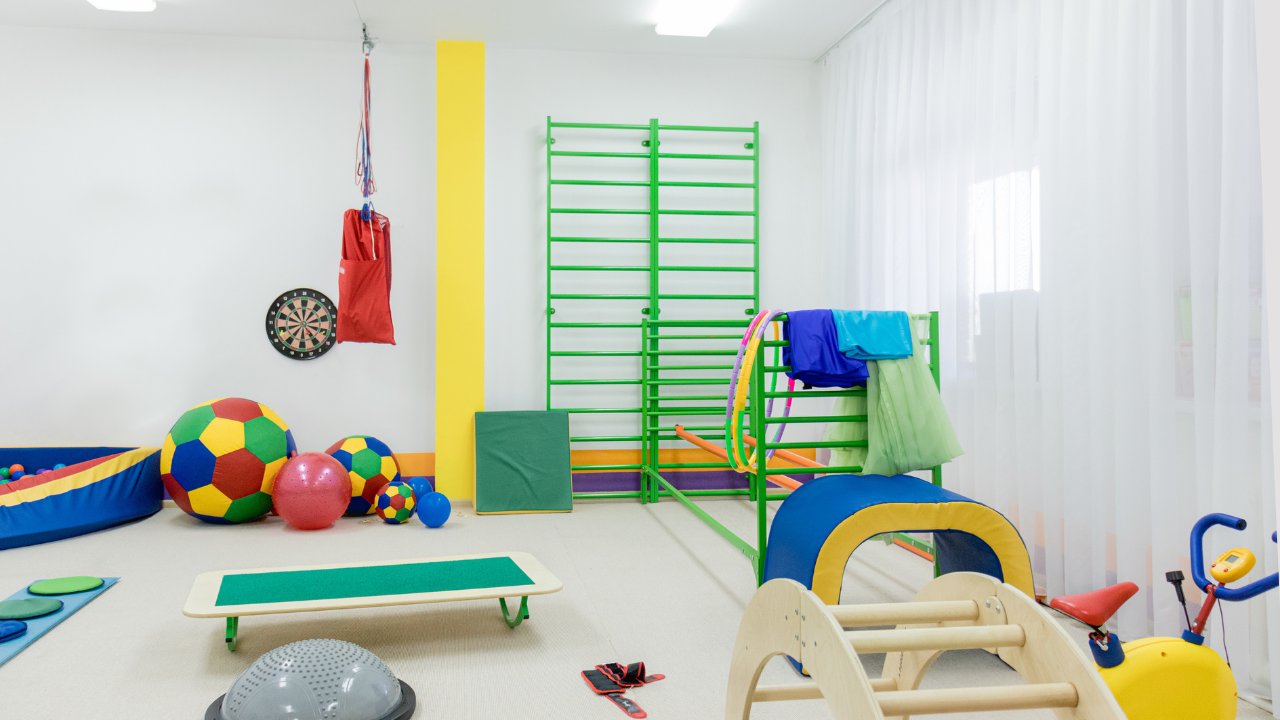
A sensory gym is a specialized environment designed to serve children with sensory processing challenges, including those on the autism spectrum. These gyms have various therapeutic tools and equipment tailored to stimulate the senses, support physical development, and foster social interaction in a controlled and safe setting.
From swings that provide vestibular stimulation to tactile surfaces that encourage touch exploration, sensory gyms offer a unique array of activities to meet the diverse needs of children with sensory sensitivities.
The role of sensory gyms in supporting children with autism cannot be overstated. For many of these children, processing sensory information can be overwhelming, leading to difficulties in motor skills, social interaction, and overall development.
Sensory gyms allow these children to explore and engage with their environment in a way that supports their sensory needs. By offering a structured yet flexible space for play and therapy, sensory gyms help children with autism develop crucial skills in a fun and engaging way.
Parents often notice significant improvements in their children’s abilities to manage sensory input, communicate more effectively, and interact with their peers after regular visits to a sensory gym. These improvements are not just anecdotal; many therapists and educators also recognize the benefits of sensory gyms in promoting developmental milestones.
In Ontario, where the search for supportive resources for children with autism is ongoing, sensory gyms stand out as a beacon of hope for many families. They offer a space where children can be themselves, free from the constraints of traditional settings that may not fully cater to their sensory needs.
Through play and therapy, sensory gyms help unlock the potential of children with autism, providing them with the tools they need to navigate the world around them.
Benefits of Sensory Gyms for Autistic Children
Sensory gyms offer a multifaceted approach to supporting children with autism, addressing several key areas of development that are often challenging for this population.
The benefits of these specialized environments are profound and far-reaching, impacting sensory processing, motor skills, social interaction, communication, emotional regulation, and stress reduction.
Sensory Processing Improvement
Sensory gyms are designed to help autistic children develop better sensory integration and processing abilities. Through a variety of equipment and activities, such as tactile panels, balance beams, and therapy swings, children are encouraged to explore and engage with different sensory inputs.
This exposure helps them learn how to process and respond to sensory information more effectively, reducing instances of sensory overload and enhancing their ability to navigate the world around them.
Enhancement of Motor Skills
The carefully selected equipment in sensory gyms also plays a crucial role in developing fine and gross motor skills. Climbing structures, for example, improve gross motor skills by encouraging whole-body movement and coordination, while activities like manipulating small objects or engaging with sensory boards can enhance fine motor skills.
These improvements in motor skills are essential for daily activities, including self-care and academic tasks.
Social Interaction and Communication
One of the most significant benefits of sensory gyms is their opportunity for safe and structured social interaction. In this environment, children with autism can practice and improve their communication skills with peers with similar challenges and experiences.
Group activities in sensory gyms are designed to foster cooperation, turn-taking, and the use of language in a social context, all of which are vital for building relationships and functioning effectively in society.
Emotional Regulation and Stress Reduction
Finally, sensory gyms offer activities specifically aimed at reducing anxiety and improving emotional regulation.
The physical activity involved in using the gym’s equipment can serve as a natural stress reliever, while the sensory input provided by the equipment can help children self-soothe and regulate their emotions more effectively.
For many children with autism, the sensory gym becomes a haven where they can express themselves freely and find calm in an otherwise overwhelming world.
Sensory Gym Activities at Home: Bringing the Therapy to You
Creating a sensory-friendly environment at home can be a game-changer for families of children with autism. It brings the therapeutic benefits of a sensory gym into your living space and provides a safe and comfortable area for your child to explore, learn, and grow.
Here are some practical tips and activities to help you set up a sensory-friendly space at home with minimal equipment and maximum impact.
Creating a Sensory-Friendly Space at Home
Start by identifying a dedicated area in your home that can be transformed into a sensory-friendly zone. This can be a small space; even a corner of a room can be effective.
Consider soft lighting or blackout curtains to manage light sensitivity, and use rugs or mats for areas where your child can sit or lie down. Incorporating elements like a small tent or a canopy can create a cozy, enclosed space that many children with autism find comforting.
DIY Sensory Activities and Games
You don’t need expensive equipment to create engaging sensory activities at home. Many items around the house can be repurposed for sensory play. For example:
- Texture Balloons: Fill balloons with different materials such as rice, flour, or beans. These provide a range of textures for tactile exploration.
- Homemade Sensory Bins: Use large containers filled with sand, water beads, or dry pasta. Add scoops, small toys, or themed items to encourage digging and discovery.
- DIY Lava Lamps: Fill a bottle with water, oil, and a few drops of food coloring, then add an Alka-Seltzer tablet to create a mesmerizing visual effect.
- Obstacle Courses: Use cushions, chairs, and blankets to create simple obstacle courses. This encourages gross motor skill development and can be a fun way to burn off energy.
Incorporating Sensory Play into Daily Routines
Integrating sensory activities into your child’s daily routine can support their development and make everyday tasks more manageable. For example, if your child finds brushing their teeth overwhelming due to sensory sensitivities, try incorporating a two-minute sand timer to cue the task’s duration visually.
Use weighted blankets or stuffed animals during quiet time or reading activities to provide comforting pressure. Even mealtime can become an opportunity for sensory exploration, using foods with different textures and temperatures to expand your child’s sensory experiences.
Sensory Gyms vs. Traditional Therapy: What’s Right for Your Child?
Deciding between a sensory gym and traditional therapy methods for a child with autism is a significant choice for many Canadian parents. Each option offers unique benefits and approaches to support your child’s development.
Understanding these differences can help you make an informed decision that aligns with your child’s needs and preferences.
Sensory Gyms vs. Traditional Therapies: A Comparative Look
Sensory gyms are designed to provide a stimulating environment that engages children through play while targeting their sensory processing needs.
These gyms have specialized equipment like swings, trampolines, and tactile stations that encourage exploration and interaction in a safe, controlled setting. The focus is on improving sensory integration, which can positively affect attention, behavior, and social interactions.
Traditional therapies, such as occupational therapy (OT) and speech therapy, often occur in more structured settings like clinics or schools. These therapies are tailored to address specific developmental challenges, including fine motor skills, speech and language development, and daily living activities.
While they may incorporate sensory activities, the approach is generally more targeted and individualized based on the child’s specific needs.
Factors to Consider
When choosing between a sensory gym and traditional therapy, consider the following factors:
- Your Child’s Specific Needs: Evaluate whether your child requires focused intervention in areas like speech or motor skills, which might be better addressed through traditional therapy, or if they would benefit more from the sensory gym’s broad sensory and social experiences.
- Engagement and Motivation: Some children may find the playful, less structured sensory gym environment more engaging, which can be crucial for their participation and progress.
- Accessibility and Availability: Consider the availability of services in your area and whether one option is more accessible than the other regarding location, scheduling, and cost.
- Complementary Approaches: Many families find that combining sensory gym activities and traditional therapies offers a balanced approach, providing targeted interventions and opportunities for sensory exploration and play.
Testimonials and Case Studies
Hearing from other families can provide valuable insights. For instance, one family might share how their child, who struggled with severe sensory processing issues, made significant strides in a sensory gym environment, finding it easier to cope with sensory overload in daily life.
Another family might highlight the success of combining speech therapy with sensory gym visits, noting improvements in communication skills and sensory integration.
Ultimately, the choice between a sensory gym and traditional therapy depends on your child’s unique needs, how they respond to different environments, and what goals you have for their development.
Consulting with professionals who understand your child’s challenges can also guide you in making the best decision for your family. Whether choosing one approach over the other or integrating both into your child’s care plan, the aim is to support your child in achieving their fullest potential.
Finding the Right Sensory Gym for Your Child
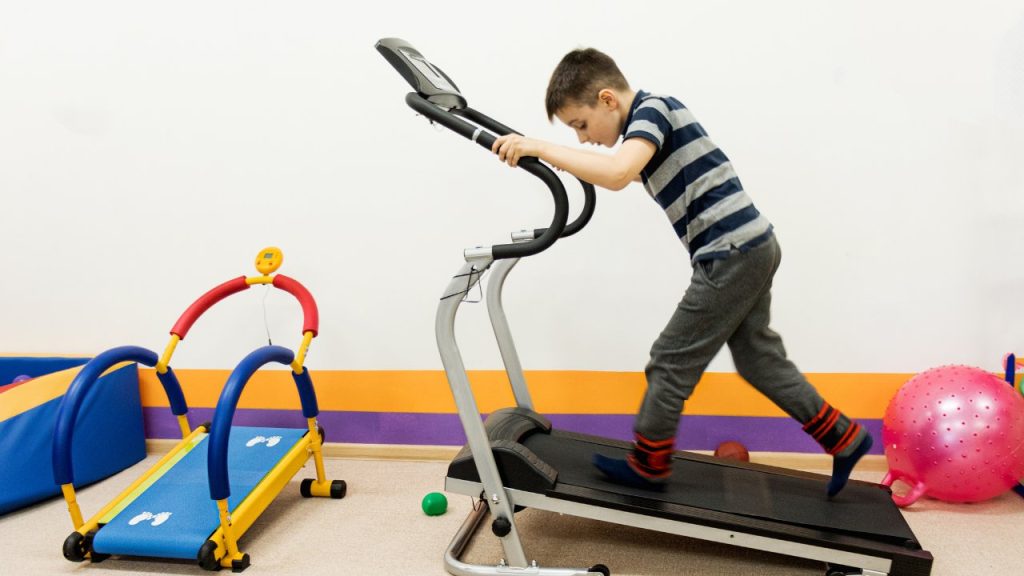
Selecting the right sensory gym for your child with autism is a crucial step toward providing them with a supportive and enriching environment. Here are some guidelines to help Canadian parents navigate this process effectively:
Criteria for Selecting a Sensory Gym
When looking for a sensory gym, consider the following criteria to ensure it meets your child’s needs:
- Staff Qualifications: Look for gyms where the staff has experience and training in working with children with autism and other sensory processing disorders. Knowledgeable staff can significantly impact your child’s experience and progress.
- Variety of Equipment: A well-equipped sensory gym should offer a wide range of sensory tools and equipment, such as swings, trampolines, tactile stations, and quiet areas. This variety ensures your child can explore sensory experiences and find what works best.
- Cleanliness and Safety Protocols: The gym should maintain high standards of cleanliness and have clear safety protocols in place. This includes regular cleaning of equipment, safety mats for fall-prone areas, and secure, child-proofed spaces.
- Inclusive Environment: Look for a gym that fosters an inclusive, welcoming environment for all children. This can be observed through the gym’s policies, staff attitudes, and how they accommodate children with diverse needs.
Questions to Ask When Visiting a Sensory Gym
When you visit a potential sensory gym, consider asking the following questions to gather more information:
- How do you tailor activities to each child’s specific needs?
- What training does your staff have in autism and sensory processing disorders?
- Can you describe your safety protocols and how you handle emergencies?
- How do you support social interaction and communication among the children?
- Are parents allowed to stay and observe during sessions?
Resources for Finding Reputable Sensory Gyms
Finding a reputable sensory gym in Ontario or elsewhere in Canada can be facilitated by several resources:
- Local Autism Organizations: Many autism advocacy groups and organizations maintain directories of resources, including sensory gyms, that cater to children with autism.
- Online Parent Forums and Social Media Groups: Connecting with other parents of autistic children can provide personal recommendations and insights into local sensory gyms.
- Healthcare Providers: Pediatricians, occupational therapists, and other healthcare providers often have knowledge of local sensory gyms and can provide referrals.
Choosing the right sensory gym involves careful consideration of your child’s unique needs and preferences. By focusing on the gym’s staff qualifications, the variety and safety of the equipment, and the overall environment, you can find a place where your child feels comfortable, supported, and able to thrive.
Remember, the best sensory gym aligns with your child’s needs, encouraging growth, learning, and enjoyment.
Sensory Gyms and Accessibility
Ensuring that sensory gyms are accessible and inclusive for all children, especially those with autism, is paramount for Canadian families. Accessibility goes beyond physical access to include financial and informational accessibility, ensuring that every child who can benefit from a sensory gym has the opportunity to do so.
Accessibility and Inclusivity in Sensory Gyms
Sensory gyms are designed to be safe, welcoming environments that cater to the diverse needs of children with autism. This includes:
- Physical Accessibility: Facilities should be wheelchair accessible, with equipment accommodating children with various physical abilities.
- Sensory-Friendly Design: Gyms should offer a range of sensory experiences that cater to sensory-seeking and sensory-avoidant children, ensuring that the environment is not overwhelming.
- Inclusive Programming: Activities and programs should be adaptable to meet the needs of children with different levels of communication, social skills, and sensory processing abilities.
Financial Assistance and Insurance Coverage
The cost of accessing sensory gym services can be a barrier for many families. However, there are several avenues for financial assistance:
- Government Programs: Some Canadian provinces offer funding for children with autism that can be used for therapeutic services, including sensory gyms.
- Insurance Coverage: Depending on your insurance policy, some services provided within sensory gyms may be covered. It’s essential to check with your insurance provider about what is included in your plan.
- Community Grants and Scholarships: Non-profit organizations and charities sometimes offer grants or scholarships specifically for therapies and services for children with autism. Research local options and apply where eligible.
Community Resources
Leveraging community resources can also help families access sensory gym services:
- Local Autism Organizations: These organizations often have lists of sensory gyms and may offer programs to help subsidize the cost.
- Social Services: Your local social services department may have information on accessing public funds or community programs that support children with special needs.
- Networking with Other Parents: Connecting with other parents of children with autism can provide valuable insights into navigating financial assistance and finding affordable sensory gym options.
Accessibility and inclusivity in sensory gyms are crucial for providing children with autism the support they need to thrive. By exploring financial assistance, insurance coverage, and community resources, families can find ways to access these vital services.
Remember, the goal is to ensure that every child can benefit from sensory gyms’ unique therapeutic environment, fostering growth, development, and joy in their lives.




