
 By Walker Evans

Raising a child comes with a myriad of joys and challenges, a journey made even more complex when your child faces dual diagnoses of ADHD and Autism Spectrum Disorder (ASD).
This unique combination presents challenges distinct from either condition alone, affecting every aspect of life, from learning and socializing to managing daily routines. But amidst these challenges lies a path filled with opportunities for growth, understanding, and profound connection.
We have compiled this blog as your guide through this intricate landscape. It offers insights into understanding these conditions, practical strategies for support and management, and a message of hope for families embarking on this journey.
Together, we’ll explore how to empower your child to thrive, highlighting the strength and resilience that come with navigating the world of dual diagnoses.
Understanding Dual Diagnoses
Navigating the world of developmental disorders can be complex, mainly when children are diagnosed with more than one condition.
Two such conditions that often co-occur are Attention Deficit Hyperactivity Disorder (ADHD) and Autism Spectrum Disorder (ASD), each with its distinct challenges.
Understanding these conditions and their similarities and differences is crucial for families and caregivers to provide the best support possible.
ADHD: A Brief Overview
ADHD is a neurodevelopmental disorder characterized by patterns of inattention, hyperactivity, and impulsivity that are not appropriate for a person’s age. Children with ADHD may struggle to focus on tasks, follow instructions, and control their impulses.
These challenges can significantly impact their academic performance, social interactions, and daily activities. ADHD is more commonly diagnosed in boys and often becomes apparent in early childhood, continuing into adulthood in many cases.
Autism Spectrum Disorder: Key Characteristics
Autism, or ASD, is a complex developmental disorder that affects communication, behavior, and social interaction. The spectrum nature of autism means that it manifests uniquely in each individual, ranging from mild to severe.
Common signs include difficulty with social interactions, communication challenges, repetitive behaviors, and strong preferences for routines.
Unlike ADHD, which shows more behavioral symptoms like hyperactivity and impulsivity, autism’s primary challenges lie in social communication and sensory sensitivities.
Commonalities and Differences
While ADHD and autism may seem distinct, they share several overlapping symptoms, such as difficulties with social skills, challenges in maintaining attention, and impulsivity. This overlap can sometimes make distinguishing between the two conditions challenging or recognizing when they co-occur.
However, there are key differences. For instance, children with ADHD might be very active and struggle to sit still, while children with autism might have less interest in social interactions and have specific, intense interests.
The sensory processing issues commonly seen in autism are less typical in ADHD, although they can occur.
The Complexity of Dual Diagnoses
When a child is diagnosed with both ADHD and autism, it introduces a layer of complexity in management and support. The dual presence can intensify challenges, particularly in educational settings and social interactions, requiring more tailored approaches to care and intervention.
For example, strategies that work for ADHD, such as structured behavioral interventions, may need to be adjusted to accommodate the sensory sensitivities associated with autism.
Prevalence of Dual Diagnoses
Recent studies suggest that the prevalence of co-occurring ADHD and autism is higher than previously thought. Research indicates that approximately 30-50% of individuals with autism also exhibit symptoms of ADHD.
This significant overlap highlights the need for increased awareness and understanding among parents, educators, and healthcare providers to ensure that children with dual diagnoses receive the comprehensive support they need.
Understanding the dual diagnosis of ADHD and autism is the first step in navigating the complexities of these conditions.
By recognizing the unique and overlapping challenges, families and caregivers can advocate for and implement more effective management and support strategies, ultimately helping children with dual diagnoses thrive.
The Challenges of Dual Diagnoses
When a child is diagnosed with both Attention Deficit Hyperactivity Disorder (ADHD) and Autism Spectrum Disorder (ASD), families face a unique set of challenges.
Managing two distinct yet overlapping conditions requires a nuanced understanding and approach, significantly impacting family dynamics, education, and social interactions.
Moreover, the emotional and psychological toll on caregivers and siblings can be profound, affecting the overall well-being of the entire family unit.
Navigating Overlapping Conditions
One of the primary complexities in managing dual diagnoses of ADHD and autism lies in the overlapping symptoms, which can sometimes mask or intensify one another. For instance, a child’s hyperactivity associated with ADHD might overshadow their difficulties with social communication, a core challenge of autism.
Conversely, the focus on managing autism-related behaviors might delay the recognition and treatment of ADHD symptoms. This overlap necessitates a highly personalized approach to care, often requiring families to navigate a trial-and-error process in finding effective strategies and interventions.
Impact on Family Dynamics
Families with a child diagnosed with ADHD and autism often experience altered dynamics. Parents and caregivers may deduce a significant amount of time and resources to meet the child’s needs, potentially leading to imbalances within the family.
Siblings might feel overlooked or bear additional responsibilities, affecting their emotional development and family relationships.
The constant focus on managing the dual diagnoses can strain marital relationships, with parents sometimes struggling to find common ground in their approaches to care and support.
Educational Challenges
Children with dual diagnoses face unique educational hurdles. The combination of ADHD’s impact on attention and impulsivity with autism’s challenges in social communication and sensory processing can make traditional educational environments particularly difficult.
These children may require individualized education plans (IEP), specialized teaching strategies, and accommodations, such as quiet spaces or permission to use sensory tools.
Securing these resources and ensuring their effective implementation can be a significant challenge for families, often requiring ongoing advocacy and collaboration with educators.
Social Interactions and Isolation
Social interactions present another layer of complexity for children with ADHD and autism. While they may desire to connect with peers, difficulties in understanding social cues, impulsivity, and potential behavioral issues can hinder their ability to form and maintain friendships.
This can lead to social isolation for the child and the family, as they might find it challenging to engage in community activities or develop relationships with other families facing similar issues.
Emotional and Psychological Toll on Caregivers and Siblings
The emotional and psychological impact on caregivers and siblings cannot be overstated. Caregivers may experience chronic stress, anxiety, and depression as they navigate the demands of managing dual diagnoses.
The constant worry about their child’s future and day-to-day challenges can be emotionally draining. Siblings, too, may feel various emotions, from confusion and frustration to guilt and sadness, as they try to understand and adapt to their family’s unique situation.
Tailored Management Strategies for Dual Diagnoses
Navigating a dual diagnosis of ADHD and Autism Spectrum Disorder (ASD) requires a multifaceted approach tailored to address the unique needs of each child.
From educational support to creating a nurturing home environment, here are strategies that can help manage the complexities of both conditions.
Educational Support
Working closely with educational institutions is crucial in ensuring that children with dual diagnoses receive the support they need to thrive academically and socially. Here are tips for collaborating with schools:
- Individualized Education Plan (IEP): Advocate for an IEP that specifically addresses the needs arising from both ADHD and autism. This plan should include accommodations such as extra time for assignments, breaks to manage sensory overload, and alternative communication methods.
- Regular Communication: Establish a consistent line of communication with teachers and support staff to monitor progress, share insights, and adjust strategies as needed.
- Sensory Accommodations: Request sensory-friendly classroom modifications, such as seating arrangements away from distractions and access to quiet spaces.
- Social Skills Support: Ensure the IEP includes goals and support for developing social skills, leveraging peer buddy systems or social skills groups.
Behavioral Therapies
Behavioral therapies play a significant role in managing ADHD and autism. Here’s how they can be adapted for dual diagnoses:
- Cognitive Behavioral Therapy (CBT): CBT can help children understand their emotions and develop coping strategies for anxiety or frustration, which is common in both ADHD and autism. Therapists may focus on structured problem-solving skills and emotional regulation for dual diagnoses.
- Applied Behavior Analysis (ABA): ABA effectively teaches social, communication, and academic skills. Tailoring ABA to address ADHD symptoms involves incorporating strategies for impulse control and attention management.
- Social Skills Training: Given the social challenges associated with both conditions, targeted social skills training can be beneficial, focusing on understanding social cues and appropriate responses.
Medication Management
Medication may be considered to manage symptoms of ADHD and, in some cases, co-occurring symptoms in autism. Here are key considerations:
- Consultation with Specialists: A thorough evaluation by a psychiatrist experienced in dual diagnoses is essential to determine the most appropriate medication plan.
- Monitoring and Adjustment: Close monitoring is necessary to assess effectiveness and adjust dosages or medications as needed, minimizing potential side effects.
- Holistic Approach: Medication should be part of a broader management strategy, including behavioral therapies and educational support.
Creating a Supportive Environment
A supportive home environment can significantly impact a child’s ability to manage the challenges of ADHD and autism:
- Establish Routines: Consistent daily routines provide structure and predictability, reducing anxiety and helping manage expectations.
- Sensory-Friendly Spaces: Create areas in the home that cater to sensory sensitivities, such as quiet corners with soft lighting or spaces for sensory play.
- Structured Activities: Incorporate activities that promote focus and engagement, adjusting for the child’s interests and sensory preferences. This could include puzzles, crafts, or outdoor play.
- Visual Schedules: Use visual schedules to help the child understand and anticipate daily activities and transitions, enhancing their sense of control and security.
Supporting the Family Unit
When navigating the complexities of raising a child with dual diagnoses of ADHD and Autism Spectrum Disorder (ASD), the well-being of the entire family unit becomes a priority.
The journey, filled with unique challenges and triumphs, underscores the importance of finding robust support, engaging in continuous education and advocacy, and prioritizing self-care for caregivers.
Here’s how families can fortify their support system and ensure every member’s needs are met.
Finding Support
The power of a supportive community cannot be overstated for families navigating ADHD and autism. Here’s why and how to find the support you need:
- Local Support Groups: Many communities offer support groups for families of children with ADHD, autism, or both. These groups provide a platform to share experiences, strategies, and resources. They also offer emotional support from individuals who understand your challenges.
- Online Communities: The digital age brings the advantage of connecting with others regardless of geographical limitations. Online forums, social media groups, and websites dedicated to ADHD and autism are invaluable resources. They offer 24/7 access to advice, educational materials, and a sense of belonging.
- Professional Networks: Establishing a network of professionals, including therapists, educators, and medical providers specializing in ADHD and autism, can provide guidance and support tailored to your child’s needs.
Education and Advocacy
Empowerment through education and advocacy is crucial for families dealing with dual diagnoses:
- Stay Informed: Keeping abreast of the latest research, treatments, and educational strategies for ADHD and autism can significantly impact your child’s development and quality of life. Reputable sources such as academic journals, conferences, and workshops can provide current information.
- Advocate for Your Child: It is vital to understand your child’s rights and the accommodations they’re entitled to in educational settings. Becoming a knowledgeable advocate ensures your child receives the support and resources they need to succeed. Feel free to seek the assistance of advocacy groups or professionals who can guide you in navigating educational and healthcare systems.
Self-Care for Caregivers
Caring for a child with ADHD and autism is a marathon, not a sprint. Here’s how caregivers can maintain their well-being:
- Recognize the Importance of Self-Care: The first step is acknowledging that taking care of yourself is not selfish but essential. Caregiver burnout is accurate, and maintaining your physical, emotional, and mental health is crucial for you and your family.
- Practical Self-Care Strategies: Incorporate activities that replenish your energy and bring you joy. This could be as simple as taking a short walk, reading, practicing mindfulness, or engaging in a hobby. Remember, self-care doesn’t have to be time-consuming or expensive to be effective.
- Seek Support for Yourself: Just as your child benefits from a support network, so do you. Whether you confide in friends, join a caregiver support group, or seek professional counseling, having an outlet for your feelings and stressors is vital.
Navigating Social Challenges
Children with dual diagnoses of ADHD and Autism Spectrum Disorder (ASD) often face unique social challenges. Their difficulties with attention, impulse control, and understanding social cues can make navigating friendships and social situations complex.
However, with targeted strategies and supportive practices, these children can develop essential social skills and enjoy meaningful relationships.
Here’s how families and caregivers can assist in this critical development aspect.
Developing Social Skills
Social skills are not just about making friends; they’re about communicating needs, understanding others, and participating in community life. For children with ADHD and autism, these skills might not come naturally, but they can be learned and strengthened with practice.
- Structured Social Skills Training: Many communities and schools offer social skills groups led by trained professionals. These groups provide a safe and structured environment for children to learn and practice social interactions, from initiating conversations to understanding turn-taking and sharing.
- Role-Playing: At home, caregivers can engage in role-playing exercises to practice social scenarios the child might encounter. This could include practicing greetings, asking and answering questions, or taking turns in games. Role-playing provides a low-stress opportunity to learn and make mistakes in a supportive setting.
Utilizing Social Stories
Social stories are short narratives designed to teach children appropriate social behaviors and responses. They are particularly effective for children with ASD, as they break down complex social interactions into understandable and relatable stories.
- Creating Custom Social Stories: Tailor social stories to your child’s social challenges or upcoming social events (e.g., attending a birthday party or starting a new school year). Use simple language and include pictures to help illustrate the story’s points.
- Incorporating Real-Life Examples: Use real-life situations your child has encountered as the basis for social stories. This personalization can make the lessons more relevant and easier to understand.
Peer Mentoring
Peer mentoring involves pairing a child with ADHD and autism with a slightly older or more socially adept peer. This mentor can help guide them through social situations, model appropriate social behavior, and offer friendship.
- School-Based Peer Mentoring Programs: Inquire whether your child’s school offers a peer mentoring program. These programs can facilitate meaningful connections and provide social learning opportunities in a natural environment.
- Encouraging Informal Mentorships: Peer mentoring can occur informally through clubs, activities, or family connections. Encourage these relationships by creating opportunities for your child to interact with various peers in different settings.
Inclusive Activities
Participation in inclusive activities that cater to a range of abilities and interests can be an excellent way for children with dual diagnoses to develop social skills and form friendships.
- Selecting Interest-Based Activities: Choose activities based on your child’s interests to increase their engagement and the likelihood of connecting with peers who share those interests.
- Seeking Out Inclusive Programs: Look for programs that accommodate children with different abilities. These programs are more likely to offer the support and understanding necessary for your child to participate fully and comfortably.
Looking Ahead: Fostering Independence and Confidence
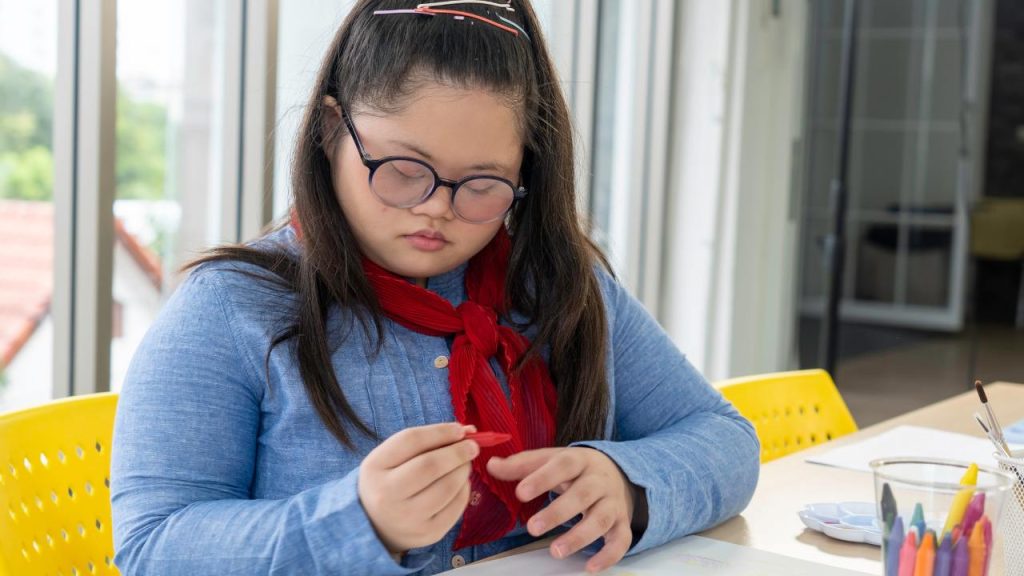
As children with dual diagnoses of ADHD and Autism Spectrum Disorder (ASD) grow, preparing them for adulthood becomes a paramount concern for caregivers and educators.
The journey toward independence and confidence is paved with challenges, but these individuals can thrive with the right strategies and support.
Here are tips and inspirational stories to guide families in preparing their children for the future.
Life Skills Development
Life skills are essential for all individuals to live independently and successfully navigate the world around them. For children with ADHD and ASD, targeted life skills training can make a significant difference.
- Daily Living Skills: Start with basic daily living skills such as personal hygiene, cooking simple meals, laundry, and managing personal finances. These can be taught gradually and incorporated into daily routines to build competence and confidence.
- Social Skills and Communication: Continue to focus on social skills and effective communication, including understanding body language, facial expressions, and the nuances of conversation. Role-playing, social stories, and social skills groups can be beneficial.
- Decision-Making and Problem-Solving: Teach decision-making and problem-solving skills through guided practice. Use real-life scenarios to discuss possible outcomes of different decisions, helping the child to think through their choices logically.
Vocational Training and Career Preparation
Vocational training tailored to the individual’s interests and strengths can lead to fulfilling career opportunities.
- Exploring Interests and Strengths: Encourage exploration of various interests and strengths to identify potential career paths. This can be done through internships, volunteer work, or hobby classes.
- Vocational Programs: Look into vocational programs designed for individuals with special needs. These programs often offer hands-on training in specific trades or professions and job placement support.
- Workplace Skills: Teach essential workplace skills such as time management, organization, following instructions, and teamwork. These skills are valuable in any job setting and can be practiced in part-time jobs or volunteer positions during the teenage years.
Fostering Independence
Gradually increasing responsibilities and providing opportunities for independent decision-making are crucial steps in fostering independence.
- Incremental Responsibilities: Gradually increase the child’s responsibilities at home and in the community, allowing them to experience success and learn from mistakes in a supportive environment.
- Encouragement and Support: Encourage independent attempts, even if they don’t always succeed. Provide support and guidance without taking over, allowing the child to learn and grow from the experience.
Success Stories
Highlighting success stories of individuals with dual diagnoses who have thrived in adulthood can inspire families and provide hope.
- Case Study: Consider the story of Alex, who was diagnosed with ADHD and ASD in early childhood. Through targeted support, Alex developed a passion for computer programming. Participating in a vocational training program during high school, Alex honed his skills and eventually secured a job as a software developer. Today, Alex lives independently and continues to advance in his career, proving that individuals with dual diagnoses can achieve their dreams with the proper support.
- Inspirational Individuals: Many public figures and professionals with ADHD, ASD, or both have shared their stories, highlighting how they’ve overcome challenges and succeeded in various fields. Sharing these stories can motivate children and families alike.
Preparing children with dual diagnoses for adulthood is a journey filled with both challenges and triumphs. By focusing on life skills, vocational training, and fostering independence, caregivers can equip these individuals with the tools they need to succeed.
The stories of those who have thrived despite their diagnoses are powerful reminders of each child’s potential, inspiring confidence and hope for the future.




