
 By Walker Evans
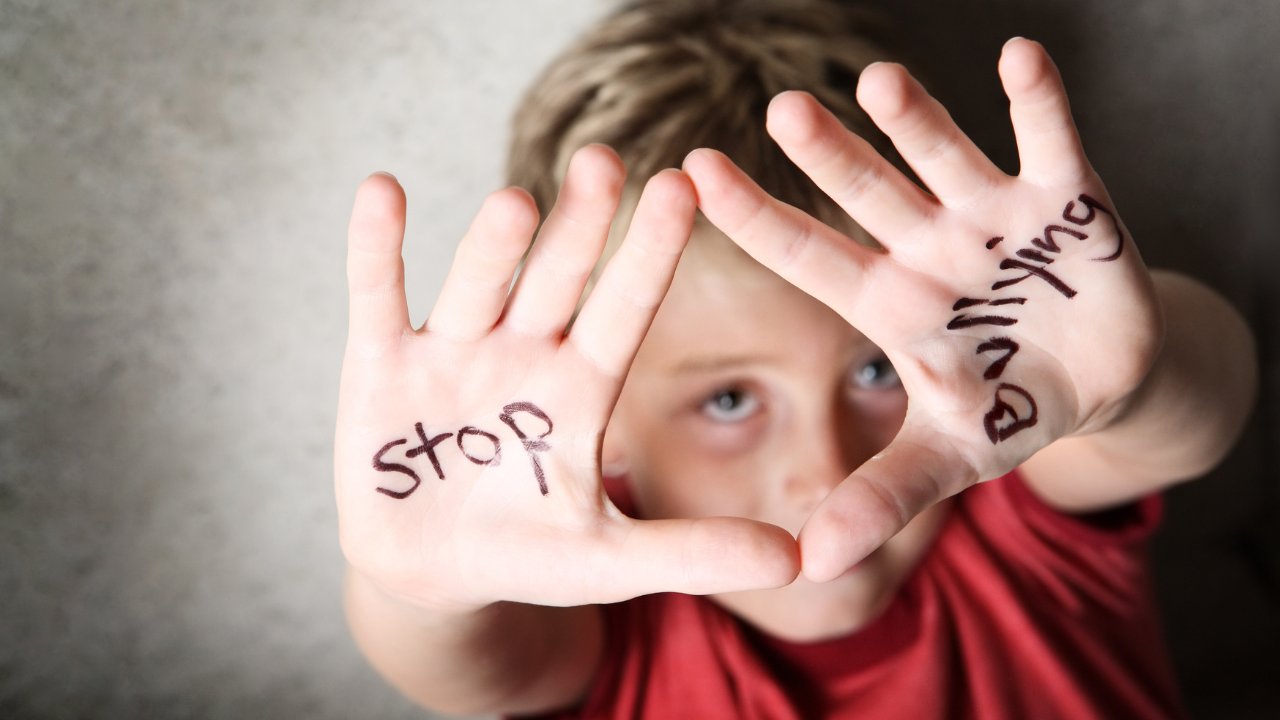
Watching your autistic child face bullying can ignite feelings of anger, heartbreak, and helplessness. We wish we could shield them from this pain, but the reality is that bullying can happen anywhere.
Alongside advocating for safer school environments, it’s vital to empower our autistic children with the tools to navigate and respond to these difficult situations.
This blog focuses on practical strategies to teach your autistic child to help them stand up to bullying. We’ll discuss ways to recognize bullying behaviors, how to de-escalate situations, and when to seek help from trusted adults.
Remember, every autistic child is unique, and there’s no single solution to the complex problem of bullying. The goal is to provide your child with a toolbox of options, boost their confidence, and foster a sense of agency in challenging situations.
While we can’t eliminate bullying, we can empower our children to face it with courage and resilience.
Understanding Bullying and Autism
Bullying is a form of aggressive behavior where someone intentionally and repeatedly causes another person injury or discomfort. It can take many forms, including physical aggression, verbal harassment, social exclusion, and cyberbullying.
For autistic students, the nuances of these interactions can often be more difficult to navigate due to the intrinsic challenges posed by their condition.
Defining Bullying in the Context of Autism
For many autistic students, bullying might not only include typical behaviors like physical attacks or overt name-calling. It can also involve more subtle forms, such as:
- Manipulative Bullying: Taking advantage of an autistic student’s challenges in understanding social cues to deceive or manipulate them.
- Exclusion: Deliberately excluding them from group activities or conversations, which might be less noticeable to educators but deeply felt by the students.
- Mockery: Making fun of stimming behaviors or other traits associated with their autism.
How Autism Influences Responses to Bullying
Autistic individuals often experience significant challenges that can complicate their responses to bullying, primarily due to how they process social interactions and communication:
- Interpreting Social Cues: Many autistic students have difficulty understanding non-verbal communication cues such as facial expressions, body language, and tone of voice. This can lead them to need to be more accurate and understand the social cues that indicate bullying behavior.
- Communication Challenges: Autism often affects a person’s ability to communicate effectively with others. Autistic students might struggle to articulate their feelings or report incidents, which can prevent them from seeking help when bullied.
- Literal Thinking: Autistic individuals tend to interpret language very literally. Sarcasm and jokes, which can often be a guise for bullying, might not be clearly understood, leading to confusion and distress.
The Impact of Bullying on Autistic Students
The effects of bullying on autistic students can be profound and long-lasting. Due to their inherent difficulties with social interaction, these students may be especially vulnerable to the negative impacts of bullying, which can exacerbate feelings of isolation or anxiety.
Parents, educators, and peers must recognize the signs of bullying and take proactive steps to address them.
Teaching Self-Advocacy Skills to Autistic Students
Empowering autistic students with self-advocacy skills is crucial for helping them navigate the complexities of their social environments, including responding effectively to bullying.
Self-advocacy involves understanding one’s rights, identifying personal needs, and expressing those needs clearly and confidently to others.
For autistic students, these skills are about independence and ensuring their needs are met and their voices are heard.
Importance of Self-Advocacy
Self-advocacy is particularly important for autistic students who may otherwise struggle to communicate their experiences and challenges to teachers, peers, and caregivers. By learning to advocate for themselves, these students can actively make decisions about their education and social interactions, contributing to a stronger sense of self-worth and agency.
Strategies for Teaching Self-Advocacy
- Use Clear and Concrete Examples: Autistic students often benefit from clear, concrete examples rather than abstract concepts. When teaching self-advocacy, use specific, relatable scenarios they will likely encounter. For example, discuss a typical classroom situation and describe how they might express a need or a preference.
- Role-Playing Scenarios: Role-playing can be an effective way for autistic students to practice self-advocacy skills in a safe, supportive environment. Create scenarios where students might need to assert themselves, such as asking for help on a difficult assignment or expressing discomfort with a peer’s behavior. Through role-playing, students can practice what to say and how to say it, which can help reduce anxiety about real-life interactions.
- Visual Aids and Social Stories: Visual aids, such as charts and social stories, can help teach self-advocacy by breaking down the steps involved in various interactions. Social stories can illustrate how to initiate a conversation about a need or how to seek assistance when bullied.
Individualized Education Plans (IEPs) and Self-Advocacy
- Embedding Self-Advocacy Goals: IEPs are customized plans designed to meet the unique educational needs of students with disabilities, including autism. Embedding self-advocacy goals within an IEP ensures that these skills are prioritized and developed throughout the student’s academic experience. These goals can include learning to identify personal needs, understanding the appropriate channels for communicating these needs and developing the confidence to speak up.
- Collaboration with IEP Team: Encourage students to participate in their IEP meetings to the extent possible. This involvement can boost their understanding of the educational process and their role in it. It also gives them a platform to practice self-advocacy in a supportive setting, where they can express what works for them, what doesn’t, and how they feel about their educational experiences.
Response Strategies for Autistic Students Facing Bullying
Autistic students often face unique challenges when confronted with bullying. Developing specific response strategies tailored to their needs can empower them to handle such situations effectively.
We have developed a few outlines of practical steps and strategies that autistic students can use to respond to bullying, emphasizing the importance of recognizing bullying, asserting boundaries, and seeking help from trusted adults.
Recognizing Bullying
The first critical step is helping autistic students recognize what bullying looks like. Due to the nuances in social interaction associated with autism, these students might not always identify when bullying occurs, especially if it’s non-physical, such as verbal taunting or social exclusion.
Education on Bullying Forms: Regularly discuss different forms of bullying in terms they can understand. Use specific examples and, if appropriate, visual aids or social stories that describe bullying scenarios.
Signs of Bullying: Teach students to recognize the signs of bullying—such as being repeatedly left out, teased in a hurtful way, or having rumors spread about them. Emphasize that it’s not their fault and that bullying is always unacceptable.
Asserting Boundaries
Autistic students can learn how to assert their boundaries clearly and confidently. This skill can dissuade potential bullies and help students advocate for themselves.
Use Scripted Responses: Develop scripted responses that the students can memorize and use when they feel they are being bullied. Scripts might include phrases like “Please do not talk to me that way” or “I don’t like what you’re doing. Please stop.”
Role-Playing Exercises: Students should regularly engage in role-playing exercises to practice these scripts and responses. Role-playing can boost students’ confidence in using these scripts in real-life situations.
Seeking Help from Trusted Adults
Knowing when and how to seek help is a crucial strategy for autistic students facing bullying.
Identify Trusted Adults: Help students identify adults they can trust and turn to when they feel unsafe or uncomfortable, such as specific teachers, school counselors, or administrative staff.
Communication Strategies: Teach them how to communicate their experiences to these adults. This might involve practicing phrases or even providing them with a note card or a digital message template that they can use to articulate their feelings and experiences.
Implementing a Buddy System
A buddy system pairs autistic students with peers (buddies) who can help watch out for them, provide support during social situations, and help report bullying incidents if the autistic student cannot do so themselves.
Selecting Appropriate Buddies: Choose buddies who display empathy, patience, and a willingness to be supportive allies. Training for buddies can also be beneficial so they understand their role and how best to assist their peers.
Monitoring the Buddy System: Regular check-ins with both the autistic student and their buddy can help ensure the relationship is beneficial and that the buddy is effectively supporting the student in navigating social situations and responding to any incidents of bullying.
The Role of Parents and Educators in Empowering Autistic Students

Parents and educators play a crucial role in empowering autistic students to handle bullying effectively. Their support can significantly affect how these students learn to respond to and manage bullying situations.
By actively participating in developing and implementing response strategies and creating a nurturing environment, they can help autistic students build the confidence and skills necessary for self-advocacy.
Supporting Development and Implementation of Response Strategies
Parents and educators can collaborate to tailor response strategies that align with the student’s individual needs and capabilities. Here are some ways they can support these efforts:
- Customize Response Plans: Understand each autistic student’s unique needs and help develop personalized response strategies that they can comfortably use. This might involve creating specific scripts or identifying particular adults the student can approach.
- Practice Scenarios: Regularly practice the response strategies with the student. This can be done through role-playing exercises that simulate potential bullying scenarios, helping the student feel more prepared and less anxious about real-life situations.
- Reinforce Learning at Home and School: Ensure the strategies are taught consistently across home and school settings. This consistency helps reinforce learning and provides a solid foundation for the student to act confidently.
Creating a Supportive Environment
A supportive environment is essential for encouraging autistic students to share their experiences and feelings. Such an environment can foster openness and ensure students feel safe:
- Open Lines of Communication: Establish and maintain open lines of communication where students feel safe to express their concerns and know they will be taken seriously. This includes having a known protocol for reporting bullying that is easily accessible to all students.
- Affirmation and Reassurance: Regularly affirm the student’s feelings and experiences. Let them know it’s okay to speak up about bullying and that the school and home are safe places to express these concerns.
- Build Trusting Relationships: Encourage educators and school staff to build trusting relationships with each autistic student. A trusted teacher or counselor can significantly impact students’ willingness to report bullying.
Ensuring Continuous Communication and Monitoring
The effectiveness of any strategy depends on ongoing communication and the willingness to adjust strategies as needed:
- Regular Check-ins: Set up regular check-ins with the student to discuss how well the current strategies are working and any adjustments that might be needed. This can be done through scheduled meetings or informal discussions.
- Feedback Loops: Create feedback loops between students, parents, and educators. This could involve regular student progress updates, discussions about new challenges, and brainstorming sessions to modify existing strategies.
- Document and Review: Keep detailed records of all reported bullying incidents and the responses used. Review these records periodically to assess the effectiveness of the strategies in place and identify any patterns or areas for improvement.
Tools and Resources for Supporting Autistic Students Facing Bullying
A variety of tools, resources, and organizations are available for parents and educators looking for additional support and information on addressing bullying among autistic students.
These resources can provide valuable guidance, practical strategies, and support for ensuring the well-being and safety of autistic students in various settings.
Digital Resources and Apps
Apps and Online Tools
- STOPit: An app allowing students to report bullying incidents directly to school administrators anonymously.
- BullyTag: An application designed to document and report bullying through photos, audio, and text descriptions.
- Social Stories Creator and Library: Provides customizable visual guides for learning social norms and expectations, which can be helpful in teaching autistic students how to navigate complex social situations.
Websites
- StopBullying.gov: A comprehensive resource that offers information on bullying prevention and response strategies, specifically tailored advice for students with disabilities.
- Wrightslaw: Offers information on special education law and advocacy for children with disabilities, including extensive resources on bullying.
- Autism Speaks: Provides a wealth of resources related to autism, including a dedicated section on school issues and bullying prevention.
Books and Publications
Books for Parents and Educators
- “The Bully, the Bullied, and the Bystander” by Barbara Coloroso: This book offers insights into the dynamics of bullying and strategies for prevention that can be adapted for autistic students.
- “No More Victims: Protecting those with Autism from Cyber Bullying, Internet Predators, and Scams” by Dr. Jed Baker Focuses on protecting vulnerable groups, including autistic individuals, from various forms of bullying and exploitation online.
Books for Children
- “Weird! (A Story About Dealing with Bullying in Schools)” by Erin Frankel: A children’s book that addresses bullying from the perspectives of the bully, the bullied, and the bystander. It is suitable for helping autistic students understand different roles in bullying.
- “My Secret Bully” by Trudy Ludwig: A story that deals with relational bullying, which adults can often miss, and provides strategies kids can use to deal with it.
Organizations and Support Groups
- The Bully Project: Offers resources and tools designed to create bully-free environments through film, education, and advocacy.
- PACER’s National Bullying Prevention Center: Focuses specifically on children with disabilities and provides creative and interactive resources designed to educate and motivate everyone to take action against bullying.
- Autism Society: Offers support and programs for individuals with autism and their families, including resources to address and prevent bullying in schools.
- Asperger/Autism Network (AANE): Provides support, education, and training to the Asperger and autism community, including resources for dealing with bullying.
Final Words
While teaching your autistic child these strategies is essential, it’s equally important to remind them that they are never to blame for being bullied. The actions of a bully reflect their insecurities and need for control. Your child deserves to feel safe and respected at school and beyond.
This journey of building resilience is ongoing. Celebrate your child’s courage every time they use their voice. Continue to offer unconditional love, support, and validation of their feelings. If the bullying is persistent or severe, don’t hesitate to escalate your concerns to the school administration or seek support from anti-bullying organizations in your community.
Building your child’s confidence and self-advocacy skills isn’t about eliminating all challenges but equipping them to navigate them with strength. By working together, we can empower our autistic children to rise above bullying and shine their true light on the world.




