
 By Walker Evans
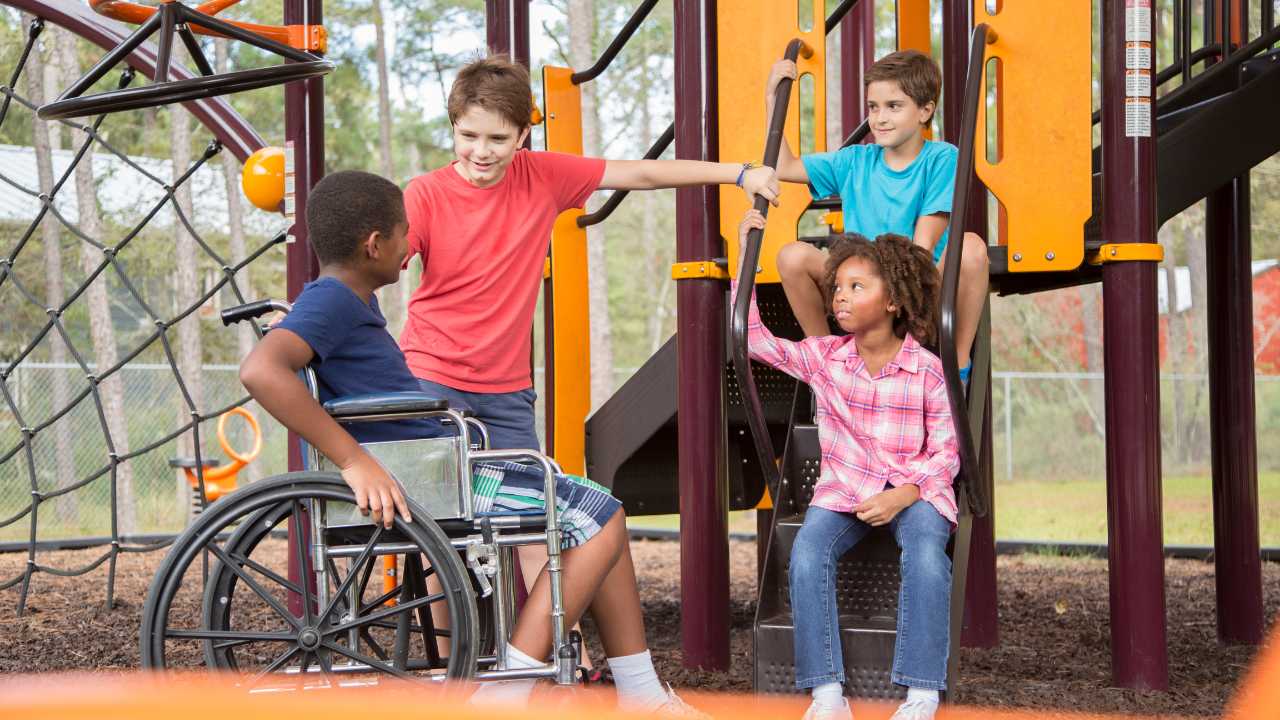
For most children, the playground is a vibrant hub of laughter, games, and friendships in the making. However, the unstructured nature of the playground can feel chaotic and overwhelming for autistic children. Misreading social cues and unspoken rules can lead to misunderstandings, awkward interactions, and feelings of isolation.
This blog is dedicated to empowering your autistic child in this challenging area. We’ll break down the hidden language of playground social interactions and offer practical strategies for understanding nonverbal communication and joining in on the fun.
Imagine your child confidently navigating friendships, feeling a sense of belonging, and experiencing the simple joy of playtime.
By recognizing common social challenges faced on the playground and providing concrete tools, we can help our autistic children decode the nuances of this essential childhood experience.
Let’s empower them to build lasting connections and feel included in the heart of their school community.
Understanding Social Cues in the Playground
For children, and especially for those with autism, the playground is not just a place for physical activity but also a complex social arena.
Here, social cues play a crucial role in navigating interactions. Understanding these cues is vital for autistic children as they learn to engage with peers in this lively environment.
What Are Social Cues?
Social cues are signals people use to indicate what they think or feel without using words. These cues can be visual, like facial expressions and body language; auditory, like tone of voice; or situational, like the physical context within which an interaction occurs.
In the playground, where activities are less structured and more spontaneous than in a classroom, recognizing and responding to these cues becomes particularly critical.
Importance of Social Cues in the Playground
Social cues are essential navigational tools that help children understand how to enter play situations, adjust their behavior, or express their needs and feelings.
For autistic children, who may find unscripted social interactions challenging, being able to read these cues accurately can significantly affect their ability to participate in and enjoy play.
Challenges Autistic Children Face with Social Cues
Autistic children might find specific types of social cues complicated to interpret:
- Facial Expressions: These are often subtle and complex. Autistic children might struggle to distinguish between a smile indicating friendliness and a smirk that could imply sarcasm or teasing.
- Body Language: This involves understanding gestures and postures. For instance, crossed arms could be interpreted simply as a comfortable stance by an autistic child rather than a sign of disinterest or annoyance.
- Tone of Voice: Changes in tone can convey different emotions or intentions. An autistic child might easily misunderstand an excited shout as anger or aggression rather than playful enthusiasm.
These misunderstandings can lead to misinterpretations, missed social opportunities, or even conflicts with peers, which can be particularly discouraging in the open and unpredictable playground setting.
Practical Strategies to Enhance Social Understanding
Understanding social cues can transform autistic children’s interactions and experiences, particularly in dynamic environments like playgrounds.
Educators and parents can employ direct teaching methods and interactive role-playing strategies to teach these crucial skills effectively. These approaches not only aid in understanding but also help apply these social skills in real-life situations.
Direct Teaching of Social Cues
Direct teaching involves structured methods to introduce and explain social cues to autistic children. Here are several effective techniques:
- Visual Aids: Use visual aids such as flashcards, posters, or digital slideshows to illustrate facial expressions, gestures, and other nonverbal cues. For instance, pictures showing different facial expressions associated with emotions like happiness, sadness, anger, and confusion can help a child recognize these emotions in others.
- Social Stories: Social stories are short narratives describing social situations and the expected responses or behaviors. They can be customized to address specific scenarios that a child might encounter on the playground, such as how to ask to join a game or what to do if someone doesn’t share their toys. These stories help in demystifying complex social interactions.
- Video Modeling: This involves showing videos of people engaging in social interactions with correct responses to various social cues. These videos allow children to observe and learn appropriate social behaviors clearly and concretely. You can use clips from children’s shows, educational videos, or custom recordings tailored to the child’s needs.
Breaking Down Complex Social Interactions
Complex social interactions can be overwhelming for autistic children. To make these more manageable:
- Step-by-Step Instruction: Break down interactions into small, manageable steps. For example, if you are teaching how to initiate a conversation, you might break it down into steps like looking at the person, using a greeting, waiting for a response, and then asking a question or making a statement related to the play activity.
- Repetition and Consistency: Repeat these lessons regularly to reinforce learning. Consistency helps in solidifying understanding and recall.
- Feedback and Correction: Provide immediate feedback and gentle corrections if mistakes are made during practice sessions. This helps in refining their understanding and responses over time.
Role-Playing and Simulation
Role-playing is a hands-on strategy that prepares autistic children for real-life social interactions:
- Setting Up Scenarios: Create role-playing scenarios that mimic common playground interactions. These can include joining a game, sharing toys, or participating in a group activity.
- Guided Practice: In a controlled environment, guide the child through the scenario, providing cues and prompts as needed. This practice allows them to experience the interaction in a low-stress setting.
- Peer Involvement: Whenever possible, involve peers in these role-playing sessions. This can help autistic children adapt to interacting with other children and teach their peers about accommodating and understanding diverse social needs.
- Benefits of Rehearsing: Rehearsing these interactions in a safe and structured environment builds confidence and reduces anxiety about real-world implementation. It allows children to correct mistakes and learn in a space where they feel supported and understood.
Creating a Supportive Playground Environment
For children with autism, the school playground can be a place of fun and overwhelming stimuli. Creating a supportive environment in this setting ensures that autistic children enjoy recess without undue stress and engage in meaningful social interactions.
Here are some practical tips for parents and educators on achieving this.
Structuring the Playground to Reduce Overwhelming Stimuli
Autistic children often have sensory sensitivities that make the typical playground environment challenging.
Quiet Zones: Establish clearly marked quiet areas where children can relax and break from the noisy and chaotic main playground. These zones should be equipped with sensory-friendly materials and activities, such as soft seating, weighted blankets, or quiet games, to help children calm down.
Natural Barriers: Use natural elements like bushes, trees, or hills to create quieter, more secluded spots within the playground. These can provide a sensory buffer for children overwhelmed by the playground’s noise and activity.
Sensory Play Areas: Incorporate sensory play areas that can engage children without overstimulation. Elements like sandboxes, water tables, or sensory gardens can provide controlled tactile experiences.
Fostering Positive Social Interactions
Creating spaces that facilitate positive interactions while accommodating the diverse needs of autistic children is critical to fostering inclusion:
Designated Zones for Different Activities: Divide the playground into zones for various activities—active play, imaginative play, and quiet play. Each area can cater to different interests and interaction levels, allowing children to choose a space that matches their current mood and needs.
Inclusive Play Equipment: Incorporate inclusive play equipment accessible to children with various abilities. Equipment that requires cooperation, such as see-saws or tandem swings, can encourage interaction and help build social skills.
Visual Cues and Signage: Use visual cues and clear signage to help autistic children understand the different areas of the playground and what is expected in each zone. This can reduce anxiety around uncertainty and help them navigate the space more independently.
Implementing Safety and Inclusion Protocols
Safety and inclusion should be at the forefront when designing and managing playgrounds:
Buddy Systems: Implement a buddy system where peers are paired with autistic children to play together. This not only aids social integration but also ensures that autistic children have someone to help them if they find themselves struggling or overwhelmed.
Staff Training: Train playground supervisors and staff on autism sensitivity and inclusion practices. They should know how to recognize signs of distress in autistic children and understand how to intervene appropriately to help manage conflicts or sensory overload.
Feedback from Children: Regularly gather feedback from autistic children and their parents about the playground experience. This input can be invaluable in continuously improving the environment to serve their needs better.
Leveraging Peer Support and Buddy Systems
Peer support programs and buddy systems are invaluable tools in helping autistic children navigate the complexities of social interactions, particularly in dynamic environments like playgrounds.
These systems not only facilitate smoother social engagements for autistic children but also foster a culture of inclusivity and understanding among all students.
The Benefits of Peer Support and Buddy Systems
Peer support and buddy systems can significantly enhance the playground experience for autistic children by:
- Providing Social Guidance: Neurotypical peers can help autistic children understand unspoken social rules and cues, assisting them in real-time during social interactions.
- Enhancing Safety and Inclusion: With a buddy by their side, autistic children may feel more secure and less isolated, knowing they have a supportive peer to rely on.
- Promoting Mutual Respect and Friendship: These programs encourage meaningful connections between neurotypical students and their autistic classmates, leading to friendships that enrich the social lives of all involved.
Setting Up a Buddy System
Implementing an effective buddy system requires thoughtful planning and commitment. Here are steps to ensure the system is supportive and respectful:
Selection of Buddies
- Choose neurotypical peers who display empathy, patience, and a genuine interest in helping others.
- The buddy relationship must be voluntary to ensure genuine engagement.
Training for Buddies
- Provide training sessions for buddies to understand autism and the specific needs their autistic classmates may have.
- Educate them on effective communication techniques, understanding sensory issues, and how to be an advocate for their buddy if bullying or conflicts arise.
Facilitate Introductions
- Organize initial meetings between buddies in a structured setting, guided by a teacher or counselor. This helps set a positive tone for the relationship.
- Discuss each child’s interests and preferences to find common ground and facilitate bonding.
Ongoing Support and Supervision
- Regularly check in with both the autistic children and their buddies to gauge how the relationship is progressing and to address any concerns that may arise.
- Provide continuous support as needed to help buddies handle any challenging situations.
Recognition and Feedback
- Recognize the efforts of neurotypical peers publicly to encourage continued participation and to show that their contributions are valued.
- Encourage feedback from buddies and their autistic classmates to learn what works and what can be improved.
Integration into Broader School Activities
- Encourage buddies to include their autistic classmates in other school activities and social events to promote inclusion further.
- This can help autistic students feel more integrated into the school community and lessen any stigma associated with autism.
Monitoring and Adjusting Strategies
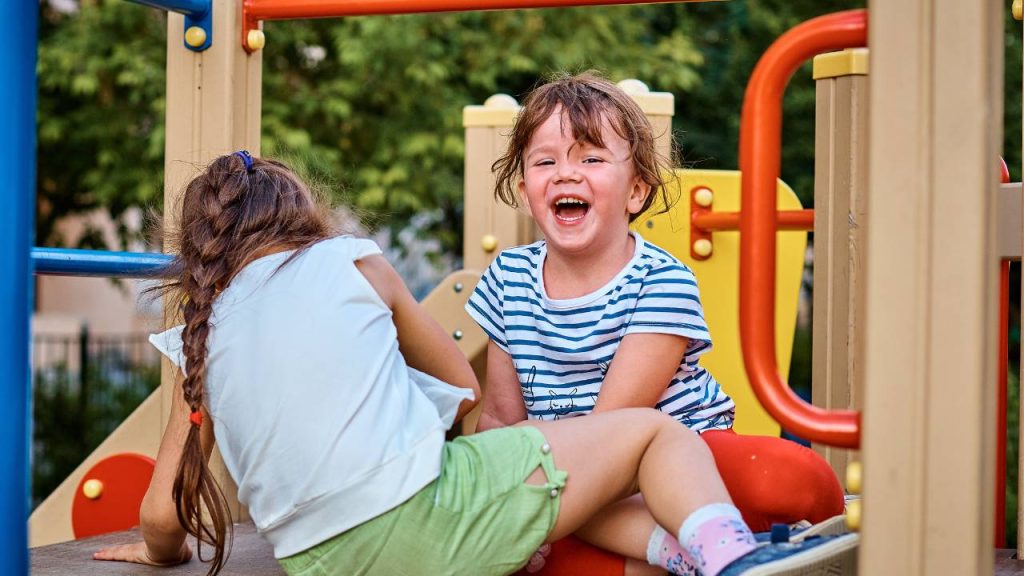
Continuous observation and adjustment are key to strategies aimed at enhancing social interactions for autistic children, particularly in complex environments like playgrounds.
This adaptive approach ensures that interventions remain effective and responsive to each child’s evolving needs and comfort levels.
The Importance of Ongoing Evaluation
Autistic children vary greatly in how they respond to social settings and interventions, making it crucial to tailor and frequently reassess strategies. This ongoing process allows parents and educators to:
- Adapt to Changing Needs: Children’s social needs and abilities can change as they grow and develop. What works one semester might be less effective the next.
- Respond to Feedback: Continuous feedback from the child, their peers, and educators can provide insights into how well current strategies are working and what adjustments might be necessary.
Implementing Regular Check-Ins
Regular check-ins are essential for understanding the impact of social strategies and making timely adjustments. Here’s how to effectively implement these check-ins:
Scheduled Reviews: Set up regular intervals—such as bi-weekly or monthly—to review the effectiveness of current social strategies with the child, their parents, and relevant school staff. During these reviews, discuss observations, any issues, and the child’s feelings about social interactions.
Real-Time Monitoring: Encourage teachers and playground supervisors to observe the child during social interactions and take notes on what they see. This might include the child’s responses to social cues, their level of engagement, and any signs of discomfort or distress.
Involving the Child: Directly involve the child in these discussions to the extent possible. Ask them how they feel about their interactions and the support they are receiving. Autistic children often have unique insights into what’s working for them and what isn’t.
Collaboration with School Staff
Collaboration between all parties involved—parents, teachers, counselors, and sometimes the students themselves—is critical in refining strategies:
Interdisciplinary Meetings: Regular meetings that bring together the professionals supporting the child can foster a holistic approach to adjusting strategies. This might include teachers, exceptional education professionals, school psychologists, and other relevant staff.
Parent-Teacher Communication: Maintain open lines of communication between parents and teachers. Parents can provide insights from home that might be relevant to school strategies, and teachers can share observations from the classroom and playground.
Flexible Adjustment Policies: Ensure that policies allow for quick and easy adjustments to strategies as needed without bureaucratic delays. This flexibility is crucial for meeting the dynamic needs of autistic children.
Conclusion
Learning to navigate the social maze of the playground takes time and patience. Celebrate small victories with your child: the time they initiated play, the eye contact they made, or a moment of shared laughter.
Progress isn’t about perfection. Every positive experience builds their confidence and reinforces the joy of connecting with others.
If your child encounters rejection or frustration, don’t let it dim their light. Acknowledge their feelings, offer support, and remind them of their strengths. It’s also important to carve out quiet time for your child to recharge after social situations.
Your ongoing encouragement and love are powerful tools in your child’s social development. By equipping your child with strategies, fostering empathy, and highlighting their unique gifts, we can help them forge genuine connections and thrive in this dynamic playground setting.




