
 By Walker Evans
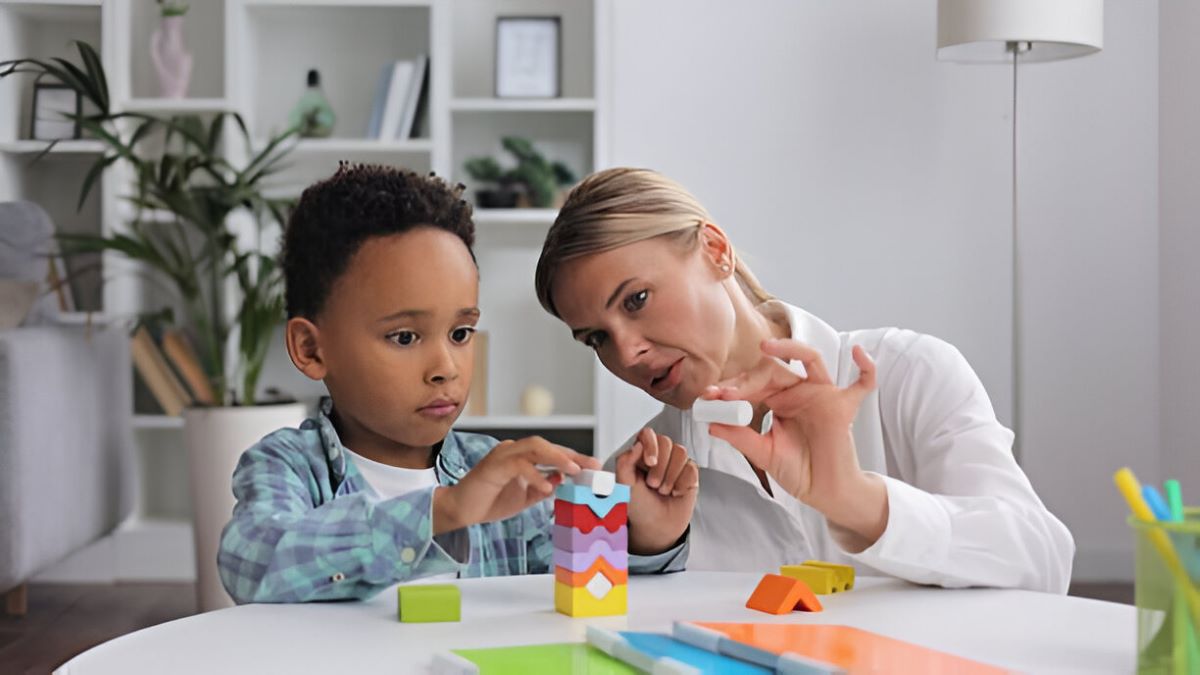
As a parent, you may feel a mix of wonder, confusion, and concern as you seek to understand how your child deals with autism in a unique way. Living with them brings a spectrum of experiences, each day revealing new aspects of your child’s personality and needs.
The journey can be overwhelming, filled with moments of joy and frustration. Understanding the symptoms and characteristics of autism is crucial to providing the best support for your child.
I will explore the key areas of social communication challenges, repetitive behaviors, sensory sensitivities, and co-occurring conditions. Our goal is to offer practical insights and compassionate support, helping you navigate this path with confidence and empathy.
Let’s dive in together and uncover ways to understand better and support your child’s journey.
Social Communication Challenges
Parents often experience watching their children face unique hurdles in social interactions. You might see them avoid eye contact, have trouble understanding jokes, or struggle with the back-and-forth flow of conversation.
These moments can be heart-wrenching, as you want nothing more than to help them connect and engage with the world around them.
Understanding Social Communication Challenges
Children with autism often face significant social communication challenges.
These can manifest in various ways, such as difficulty initiating or maintaining conversations, understanding non-verbal cues like body language and facial expressions, and interpreting the nuances of social interactions.
It’s not just about talking; it’s about the whole spectrum of communicating and relating to others.
Why It Happens
These challenges occur because autism affects how the brain processes social information.
Children with autism might find it hard to read social cues or understand the unspoken rules of interaction that come naturally to others. This doesn’t mean they don’t want to connect; they need different strategies and support.
Ways to Overcome Social Communication Challenges
- Use Visual Supports: Visual aids like picture cards or social stories can help your child understand and navigate social situations. These tools can provide clear examples of expected behaviors and responses.
- Practice Through Play: Role-playing different social scenarios can give your child a safe space to practice social interactions. Games that encourage turn-taking and sharing can also be beneficial.
- Engage in Joint Activities: Activities involving cooperation, such as building a puzzle or playing a game, can help your child practice social skills in a low-pressure setting.
- Seek Speech Therapy: A speech-language therapist can work with your child on specific social communication skills, tailoring strategies to their needs.
Resources to Explore
- Autism Speaks: Offers a variety of resources on improving social skills for children with autism.
- Autism Society: Provides tips and strategies for parents to help children develop social communication skills.
- Speech Therapy Centers: Local centers often have specialized programs focusing on social skills for children with autism.
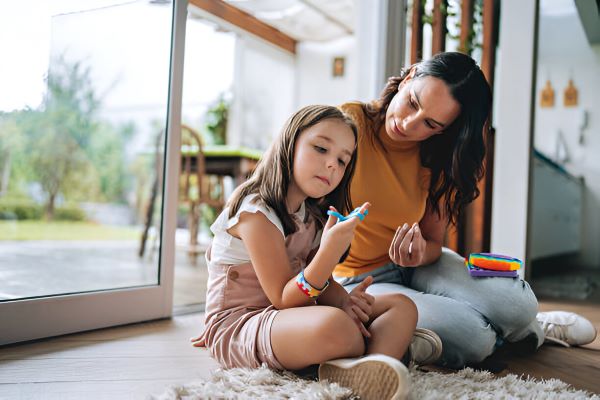
Repetitive Behaviors and Restricted Interests
While repetitive behaviors and restricted interests can be endearing, they might also leave you puzzled or concerned about their impact on your child’s life.
These repetitive behaviors and restricted interests are common characteristics of autism, and understanding them can help you better support your child.
Understanding the Role of Repetitive Behaviors and Restricted Interests
Children with autism often engage in repetitive behaviors, such as hand-flapping, rocking, or organizing objects. They might also have restricted interests, focusing on specific topics like trains, dinosaurs, or household items.
Such behaviors can provide comfort and predictability, helping your child feel more in control of their environment.
Why It Happens
These behaviors occur because they offer a sense of structure and security. In a world that can often feel overwhelming and unpredictable, repetitive actions and focused interests can be soothing for a child with autism. It’s their way of making sense of and coping with their surroundings.
Repetitive Behaviors and Restricted Interests Enhancing Tips
- Create a Structured Environment: Consistent routines can help reduce anxiety and provide a sense of order. Visual schedules outline daily activities, making transitions smoother and more predictable.
- Gradual Introduction to New Activities: When introducing new activities or changes, do so gradually. This approach can help your child adjust without feeling overwhelmed. Use visual aids and step-by-step instructions to guide them through the process.
- Use Interests Positively: Leverage your child’s interests to motivate learning and social interaction. For example, if they love trains, incorporate train-themed activities into their learning or use train-related examples to teach new concepts.
- Behavioral Therapy: Consider working with a behavioral therapist who can help develop strategies to manage repetitive behaviors and integrate more varied activities into your child’s routine. Therapies like Applied Behavior Analysis (ABA) can be particularly effective.
Sensory Sensitivities in Autism
Parents find themselves navigating the unique sensory world of their autistic children. Everyday sounds, lights, and textures that seem ordinary to us can be overwhelming for them. Understanding and managing these sensory sensitivities can be crucial in supporting your child’s well-being.
Understanding Sensory Sensitivities
Children with autism often have sensory sensitivities, meaning they may be hypersensitive (over-responsive) or hyposensitive (under-responsive) to sensory stimuli. This can include sensitivity to sounds, lights, textures, tastes, and smells.
For example, a bright light might blind, a soft touch might feel painful, or certain clothing textures might be intolerable.
Why It Happens
Sensory sensitivities occur because of differences in how the brain processes sensory information. These differences can make the sensory world feel overwhelming and chaotic. It’s not about being picky or difficult; it’s about their nervous system reacting differently to sensory input.
Sensory Sensitivities Enhancing Suggestions
- Create a Sensory-Friendly Space: Designate a quiet, comfortable area where your child can retreat when feeling overwhelmed. This space can include soft lighting, noise-canceling headphones, and comforting textures.
- Use Sensory Tools: Items like weighted blankets, fidget toys, or chewable jewelry can help your child manage sensory input and stay calm. Experiment with different tools to see what works best for them.
- Be Mindful of Triggers: Pay attention to what triggers sensory overload for your child and try to minimize these triggers. For example, consider earplugs or noise-canceling headphones if loud noises are a problem.
- Gradual Exposure: Slowly introduce your child to new sensory experiences in a controlled way. Gradual exposure can help them become more comfortable over time. For instance, if they are sensitive to certain textures, let them explore those textures at their own pace.
Autism and Co-Occurring Conditions
It’s common for parents to notice that their child not only has autism but also seems to be dealing with other conditions. These co-occurring conditions can complicate an already complex journey, making it feel like a new hurdle around every corner.
Recognizing and addressing these additional challenges is crucial for providing the best care for your child.
Understanding Co-Occurring Conditions
Children with autism often experience co-occurring conditions such as ADHD, anxiety, epilepsy, or gastrointestinal issues. These conditions can significantly impact their daily lives and require additional attention and support.
Understanding how these conditions interact with autism can help you better navigate your child’s needs.
Why It Happens
Co-occurring conditions are common in autism due to the complex ways in which brain development is affected. These conditions can exacerbate the symptoms of autism, making it essential to identify and manage them effectively.
Tips for Autism and Co-Occurring Conditions Development
- Regular Medical Check-Ups: Ensure your child has regular appointments with healthcare providers who understand autism and co-occurring conditions. Comprehensive care can help manage these additional challenges more effectively.
- Integrated Care Plans: Work with a team of specialists to create a coordinated care plan. This might include pediatricians, neurologists, psychologists, and gastroenterologists. Integrated care ensures that all aspects of your child’s health are addressed.
- Educate Yourself: Learn as much as possible about each child’s co-occurring condition. Understanding the symptoms and treatment options can help you advocate for your child’s needs. Resources like the Autism Society and Autism Speaks offer valuable information on managing co-occurring conditions.
- Behavioral Interventions: Behavioral interventions can manage many co-occurring conditions, such as ADHD or anxiety. Applied Behavior Analysis (ABA) techniques can be adapted to address these additional challenges.
Final Words
Understanding and addressing common autism symptoms, such as social communication challenges, repetitive behaviors, sensory sensitivities, and co-occurring conditions, equips you to support your child more effectively.
Remember, every step you take in recognizing and managing these symptoms makes a significant difference in your child’s life. Each strategy and tip here aims to empower you with practical tools and insights, helping you navigate this path with confidence and compassion.
You are not alone in this journey. Countless resources and communities are ready to offer support and guidance. By staying informed and connected, you can create a nurturing environment where your child can thrive.
Let’s continue to learn and grow together, ensuring our children receive the care and understanding they deserve. Thank you for being part of this journey. Know that every step forward is a victory worth celebrating.




