
 By Walker Evans
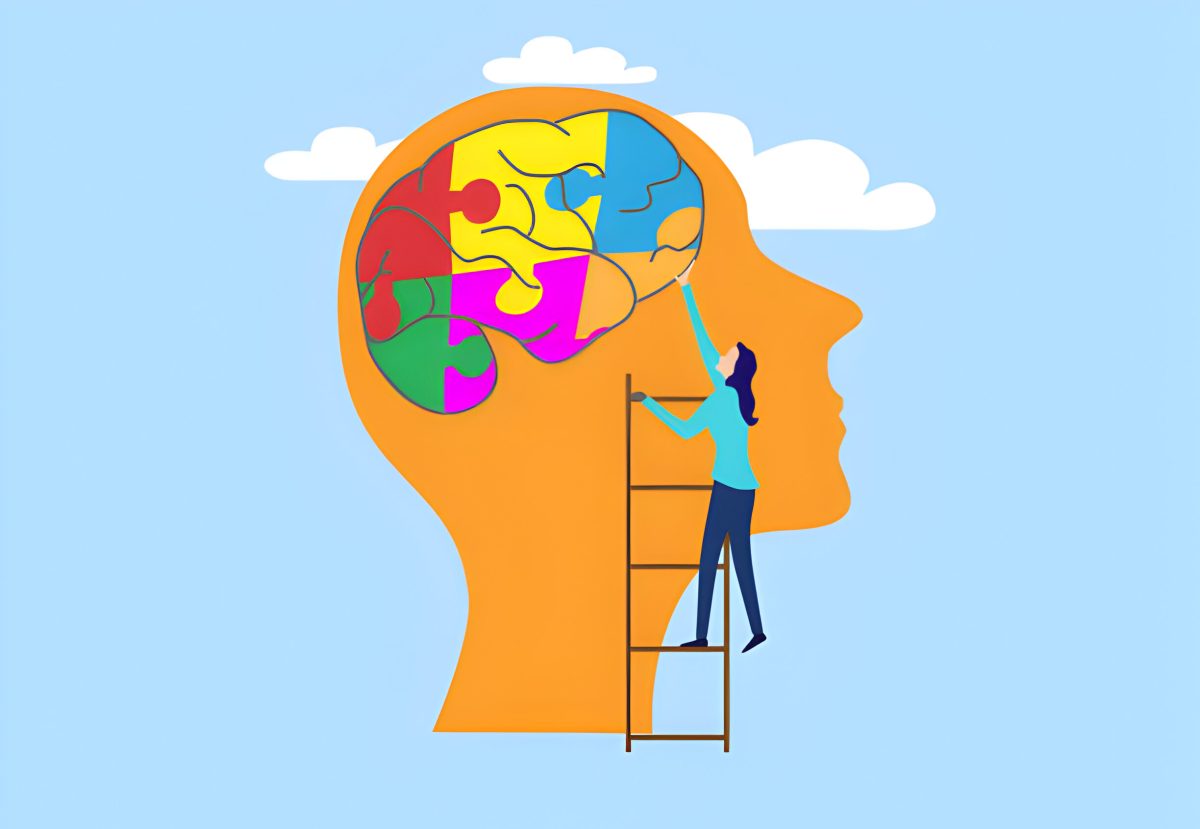
Autism is a topic that touches many lives, yet the causes behind it often remain a mystery for most!
Understanding where autism comes from involves untangling a complex mix of genetics, environment, and neurological factors. This knowledge can change how families approach support and care.
In this article, we’ll examine the causes and various factors that contribute to the development of autism.
Causes of Autism
Several factors can contribute to autism. A clear understanding of autism and its causes can let you help the people and your loved ones on the spectrum.
Genetic Factors
Understanding the genetic factors behind Autism Spectrum Disorder (ASD) is crucial as research indicates a strong genetic component in its development.
Heritability of Autism
Twin studies have been crucial in estimating the heritability of autism. These studies compare the occurrence of autism in identical twins (who share 100% of their genetic material) versus fraternal twins (who share about 50%).
The findings are striking: identical twins have a much higher concordance rate for autism, ranging from 70% to 90%, compared to just 10% to 20% in fraternal twins. These statistics underscore the strong genetic influence on autism, although environmental factors also play a role.
The heritability of autism is estimated to be between 64% and 95%, depending on the study. Some large-scale analyses suggest heritability could be as high as 95%, highlighting the substantial genetic influence on the disorder.
However, while genetics plays a significant role in autism, remember that environmental factors also contribute to the condition.
Specific Genetic Mutations
Research has identified several genetic mutations associated with autism. Some of the most studied genes include:
- SHANK2: crucial for synaptic function and the structural integrity of synapses. Mutations in SHANK2 have been linked to autism and intellectual disability.
- MECP2: Known primarily for its role in Rett syndrome, mutations in this gene are also associated with autism. MECP2 is vital for normal brain development and function.
- De novo Mutations: Spontaneous mutations in the egg or sperm can significantly increase the risk of autism, particularly in severe cases.
Genetic testing can help us understand the genetic factors linked to autism. It can pinpoint genetic syndromes, guide treatment options, and inform family planning. Therefore, families with a history of autism are encouraged to seek genetic counseling to discuss these findings.
Environmental Factors
Environmental factors during pregnancy – prenatal, perinatal, and postnatal periods play a significant role in the development of Autism Spectrum Disorder (ASD). These factors can interact with genetic predispositions, influencing the likelihood of a child developing autism.
Prenatal Factors
Certain factors during pregnancy can significantly affect fetal development and the risk of autism. Maternal health, age, nutrition, and exposure to medications or environmental toxins are crucial areas to consider here.
- Maternal Health and Nutrition: Maternal nutrition is essential for healthy fetal development. For instance, sufficient folic acid intake before and during early pregnancy is crucial for neural tube development, and studies have shown that it may reduce the risk of autism.
Contrarily, maternal diabetes, particularly gestational diabetes, may increase the risk of autism. Also, hyperglycemia during pregnancy can disrupt normal neurodevelopment, potentially leading to ASD.
- Maternal Infections and Health Conditions: Infections like rubella or CMV during pregnancy can significantly increase the risk of autism.
Rubella infection in the first trimester can cause congenital rubella syndrome, which includes various developmental disorders, including autism. In the same way, a CMV infection can cause problems with brain development.
Infections like the flu can also make the mother’s immune system react, causing inflammation that might affect the baby’s developing brain.
Exposure to Toxins
Exposure to certain toxins during pregnancy has been linked to a higher risk of autism. These toxins include chemicals and medications that can interfere with fetal brain development.
- Potential Teratogens: Valproic acid, used to treat epilepsy and bipolar disorder, may increase the risk of autism when taken during the first trimester. This exposure during critical brain development can lead to significant neurodevelopmental disorders.
- Airborne Pollutants: Air pollution, including particulate matter, heavy metals, and pesticides, has also been associated with an increased risk of autism.
Pregnant women exposed to high air pollution, especially from traffic, are more likely to have children with autism. These pollutants cause oxidative stress and inflammation and disrupt normal brain development.
Perinatal and Postnatal Factors
Birth complications and the early postnatal period can also influence the risk of developing autism.
- Birth Complications: Complications during delivery, such as oxygen deprivation (hypoxia), may increase the risk of autism. Hypoxia can cause damage to the brain, leading to developmental issues that may contribute to ASD.
Low birth weight and premature birth are also associated with a higher risk of autism, possibly due to the underdevelopment of the brain at the time of birth.
- Environmental Exposures After Birth: Exposure to substances like lead and air pollution during early childhood can contribute to the development of autism. These substances can harm the growing brain and cause or worsen neurodevelopmental problems.
Neurological Factors
Neurological factors are a vital aspect of Autism Spectrum Disorder (ASD), with differences in brain structure, connectivity, and neurotransmitter function.
Brain Structure and Development
Research indicates that people with autism often have differences in the structure of their brains. For example, the amygdala, which helps process emotions, may be smaller or work differently in people with autism.
Also, issues in the cerebellum, which controls movement, may be connected to the motor challenges and repetitive behaviors in autism. While some children with autism experience faster brain growth early in life, not everyone on the spectrum shares this characteristic.
Neural Connectivity
Autism is also characterized by atypical neural connectivity, meaning that the communication between different brain regions is often disrupted. It can lead to challenges in processing social cues, regulating emotions, and managing attention.
For example, overactive or underactive connections between the frontal cortex and other brain areas can affect decision-making and social interactions.
Neurotransmitters
Imbalances in brain chemicals called neurotransmitters can have a big impact on autism. Some people with autism have higher levels of serotonin, a chemical that affects mood and social behavior.
Another neurotransmitter, dopamine, which is involved in reward processing and motor control, may also be imbalanced in people with autism. It contributes to the repetitive behaviors and restricted interests often seen in the condition.
Interaction Between Genetic and Environmental Factors
Autism Spectrum Disorder (ASD) is influenced by genetics and the environment, shaping how it manifests in people.
Gene-Environment Interactions
Gene-environment interactions occur when environmental factors influence the expression of genetic traits linked to autism. For example:
- Genetic Susceptibility: Some people are genetically predisposed to autism. Environmental triggers, such as prenatal exposure to toxins or maternal infections, can increase the likelihood of developing the disorder.
- Environmental Triggers: Factors like maternal health, pollution, and diet can interact with genetic predispositions, altering how certain genes are expressed. It can potentially contribute to autism.
Epigenetics
Epigenetics explains how environmental factors can modify gene expression without changing the DNA sequence:
- DNA Methylation: Environmental influences like stress or toxins can lead to DNA methylation. It can turn genes on or off, affecting brain development and increasing the risk of autism.
- Histone Modification: Environmental factors can also alter histones, the proteins around which DNA is wrapped. It can impact gene expression and potentially contribute to ASD.
Debunking Common Myths About Autism Causes
Misconceptions about what causes Autism Spectrum Disorder (ASD) can lead to unnecessary fear and stigma. Two common myths are that vaccines cause autism and that parenting styles are to blame.
Vaccines and Autism
The myth that vaccines, particularly the MMR vaccine, cause autism stems from a discredited 1998 study by Andrew Wakefield. This study has been thoroughly debunked, and Wakefield’s medical license was revoked due to unethical practices.
Numerous large-scale studies have since confirmed that there is no link between vaccines and autism. Organizations like the CDC, WHO, and AAP all agree that vaccines are safe and crucial for preventing serious diseases.
Parenting and Autism
The “refrigerator mother” theory is a harmful myth that wrongly blames emotionally distant mothers for their child’s autism. It falsely suggested that poor parenting, particularly from mothers, was the cause of autism.
Modern research has proven that autism is a neurodevelopmental disorder with genetic and environmental causes, not due to parenting style.
Remember, blaming parents for autism not only makes them feel guilty but also takes focus away from understanding the real causes and providing proper support for their loved ones with autism.
Conclusion
Understanding what causes autism helps you move beyond myths and focus on what matters most—supporting your families and loved ones. Recognizing the roles that genetics, environment, and neurology play, you can better address the needs of those with autism.
So, let’s leave behind outdated misconceptions about vaccines and parenting and embrace a more compassionate, informed approach to autism and its causes.




