
 By Walker Evans
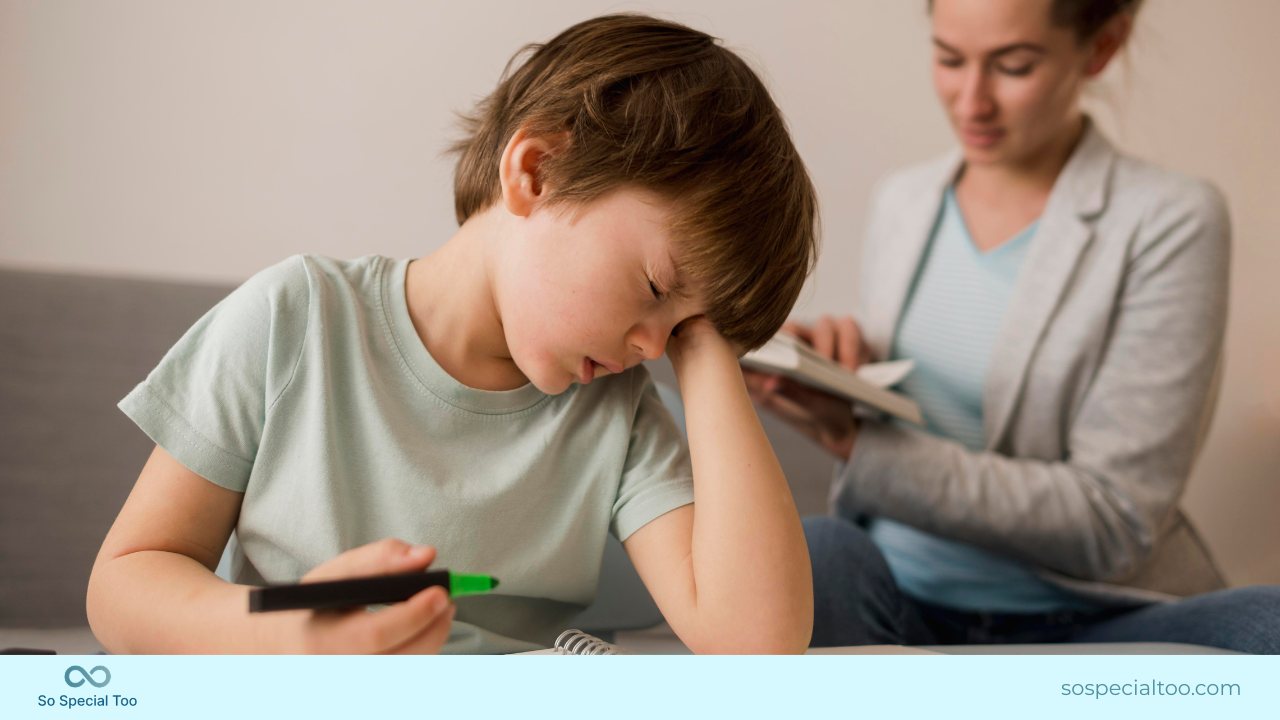
Many people still imagine ADHD as a child who simply “can’t sit still,” but the condition is far more complex than that. Attention-Deficit/Hyperactivity Disorder affects attention regulation, impulse control, emotional processing, organization, and executive functioning. Symptoms can also evolve as children grow, which is why ADHD in a toddler may look very different from ADHD in a teenager.
Some children are highly energetic and impulsive, while others quietly struggle with focus, forgetfulness, and mental overwhelm. Because symptoms change with age, many parents miss the early warning signs or assume certain behaviors are simply part of normal development.
This guide breaks down how ADHD symptoms may appear from toddlerhood through the teenage years, so parents can better understand when everyday behavior may need closer attention. It is educational only and should not replace an evaluation from a qualified healthcare professional.
Quick Answer
- ADHD symptoms often appear differently depending on a child’s age
- Toddlers may show extreme impulsiveness and nonstop activity
- School-age children commonly struggle with focus, instructions, and emotional regulation
- Teenagers with ADHD may experience academic pressure, anxiety, forgetfulness, and low self-esteem
- ADHD is not caused by poor parenting or laziness
- Early diagnosis and structured support can significantly improve long-term outcomes
- Girls with ADHD are often underdiagnosed because symptoms may appear less disruptive
- Symptoms must consistently affect daily functioning before ADHD can be diagnosed
ADHD Symptoms in Toddlers
ADHD is difficult to formally diagnose during toddlerhood because young children are naturally energetic and impulsive. However, some behavioral patterns may stand out far beyond what is considered typical for their developmental stage.
Toddlers with early ADHD-related tendencies often appear constantly “on the move.” They may climb excessively, dart into dangerous situations repeatedly, and struggle to remain engaged in quiet activities even for very short periods. Parents may notice intense emotional reactions, frequent tantrums, and extreme difficulty calming down after excitement.
Sleep difficulties are also common. Some toddlers resist bedtime intensely or wake frequently throughout the night, leaving both the child and parents exhausted. Transitions between activities may trigger disproportionate frustration because impulse control and emotional regulation develop differently in children with ADHD traits.
What makes early ADHD symptoms challenging is that many behaviors overlap with normal toddler development. The difference is usually the intensity, frequency, and persistence of the behaviors across different environments.
Early Childhood ADHD Signs Ages 4–6
As children approach preschool and kindergarten, symptoms often become easier to notice because structured environments begin demanding more focus, patience, and self-control.
Children in this age group may interrupt constantly, struggle to follow simple instructions, or move quickly from one activity to another without finishing tasks. Teachers may notice difficulty sitting during group activities or circle time. Some children appear socially impulsive, grabbing toys, speaking excessively, or accidentally disrupting peer interactions.
Emotional sensitivity may also become more visible during this stage. Small frustrations can lead to large emotional reactions, especially when routines change unexpectedly. Some children develop low confidence early because they are repeatedly corrected for behavior they struggle to control internally.
| Age Range | Common Behaviors | Possible Concerns |
| 2–3 Years | Constant climbing, unsafe impulsiveness, nonstop movement | Difficulty regulating energy |
| 3–4 Years | Extreme tantrums, short attention span, poor sleep | Emotional regulation issues |
| 4–5 Years | Frequent interrupting, ignoring instructions, impulsive behavior | Early executive function struggles |
| 5–6 Years | Difficulty sitting still in class, social impulsiveness | Problems adapting to structured learning |
ADHD Symptoms in Elementary School Children
Elementary school is often when ADHD becomes much more noticeable because academic expectations increase. Children are expected to focus for longer periods, organize tasks, follow multi-step instructions, and regulate emotions in social environments.
Children with ADHD may appear distracted even when they are trying to pay attention. They may lose homework, forget instructions moments after hearing them, or leave assignments unfinished despite understanding the material. Many parents become confused because their child may seem intelligent and creative while still struggling with simple routines.
Hyperactivity may continue through excessive movement, fidgeting, or talking. However, some children begin internalizing symptoms instead. Rather than appearing disruptive, they may quietly daydream, mentally drift away during lessons, or struggle to process information consistently.
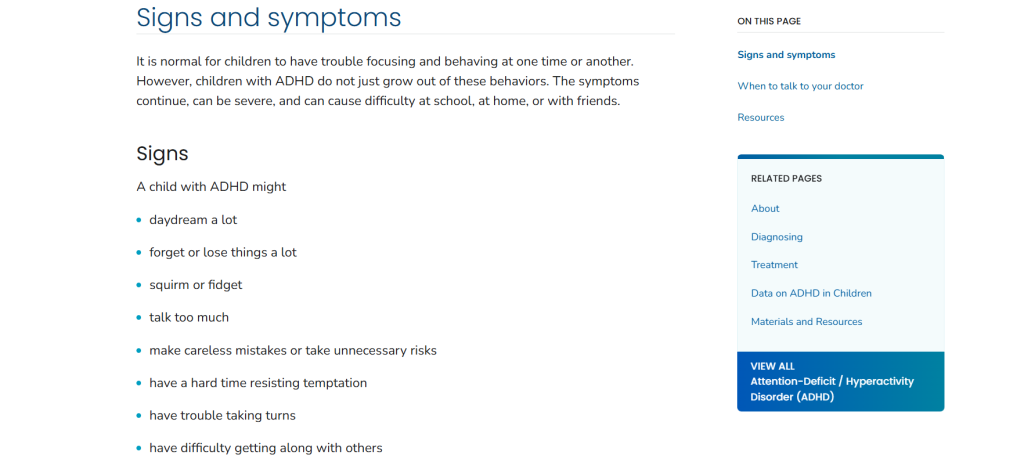
Friendships can also become difficult during these years. Impulsiveness may interrupt conversations or games, leading to social rejection and emotional frustration. The CDC lists common ADHD signs in children, such as daydreaming often, forgetting or losing things, fidgeting, talking too much, taking unnecessary risks, and having difficulty getting along with others.
ADHD Symptoms by School Age
| School Age | Attention Challenges | Behavioral Challenges | Emotional Challenges |
| 6–8 Years | Forgetting instructions | Fidgeting constantly | Frustration intolerance |
| 8–10 Years | Losing school items | Talking excessively | Low confidence |
| 10–12 Years | Difficulty completing tasks | Impulsive decisions | Anxiety and embarrassment |
Why ADHD Often Looks Different in Girls
Girls with ADHD are frequently overlooked because symptoms may appear less physically disruptive. Instead of obvious hyperactivity, many girls experience inattentiveness, emotional overwhelm, internal anxiety, and chronic disorganization.
Teachers may describe them as “quiet but distracted” rather than disruptive. Because they are less likely to interrupt class or display aggressive impulsiveness, their struggles are sometimes mistaken for personality traits, shyness, or emotional sensitivity.
The CDC reports that boys are diagnosed with ADHD more often than girls, while the Child Mind Institute explains that girls may be missed because their symptoms often look different and can be easier to hide.
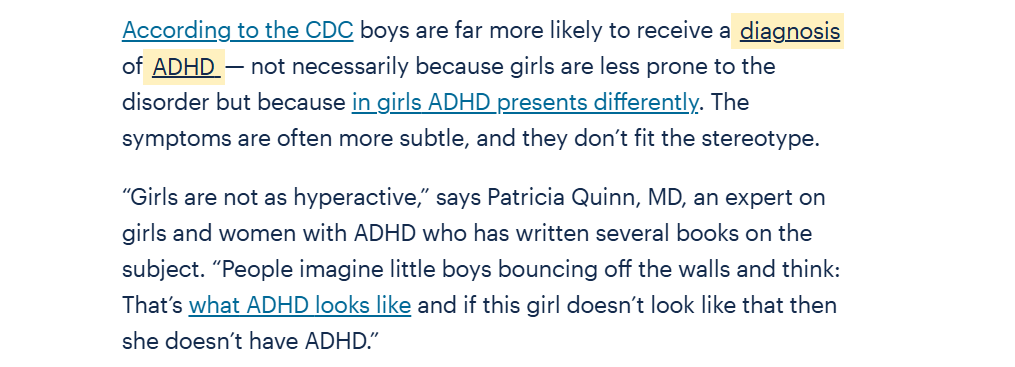
This is one reason parents should pay attention not only to disruptive behavior, but also to signs like frequent daydreaming, emotional exhaustion, chronic forgetfulness, trouble starting tasks, and quiet academic struggles.
ADHD Symptoms During the Teenage Years
Teenage ADHD can become emotionally exhausting because responsibilities increase rapidly during adolescence. Teens are expected to manage schedules, homework, deadlines, friendships, extracurricular activities, and future planning at the same time.
At this stage, physical hyperactivity may decrease while mental restlessness becomes more noticeable internally. Teens may describe racing thoughts, chronic overwhelm, and difficulty organizing priorities. Many experience emotional burnout from constantly trying to “keep up” with peers.
Academic struggles may intensify because middle school and high school require more independent organization and time management. Teens with ADHD frequently procrastinate even when they care deeply about success. This can create a painful cycle of guilt, stress, and low self-esteem.
Social challenges may also appear through impulsive communication, emotional sensitivity, or risky decision-making. Some teenagers develop anxiety or depression alongside ADHD because years of criticism can affect confidence and emotional resilience.
| Teen Age | Common Symptoms | Daily Impact |
| 13–14 Years | Forgetfulness, procrastination | Falling behind in school |
| 14–16 Years | Emotional impulsiveness | Friendship difficulties |
| 16–18 Years | Poor time management | Stress about independence |
| 18+ Years | Executive dysfunction | Difficulty balancing responsibilities |

How ADHD Affects Emotional Health
ADHD is not only about attention. Emotional regulation difficulties are often associated with the condition, especially when children feel misunderstood or are repeatedly corrected for behaviors they are struggling to control.
Children and teens with ADHD may feel emotions more intensely and recover from frustration more slowly. Repeated criticism from teachers, parents, or peers can gradually damage self-esteem. Many children begin believing they are lazy, careless, or unintelligent, despite trying very hard internally.
Over time, emotional stress may contribute to anxiety, depression, or social withdrawal. This is why supportive environments matter so much. Children with ADHD often do better when structure, patience, and understanding replace constant punishment.
The American Psychological Association believes emotional dysregulation is part of ADHD, and by understanding the science of ADHD and emotional dysregulation, psychologists can offer better support to them.
APA also explains that ADHD can make it difficult to stay organized, stay focused, make realistic plans, and think before acting, which helps explain why emotional and academic challenges often overlap.
When Parents Should Seek Professional Evaluation
Not every energetic or distracted child automatically has ADHD. The key concern is whether symptoms consistently interfere with school, relationships, emotional stability, or daily functioning over time.
Parents should consider a professional evaluation if behaviors persist across multiple environments, including home and school. Difficulty completing basic routines, severe impulsiveness, emotional dysregulation, or chronic academic struggles may indicate the need for assessment.
Early intervention does not “label” a child negatively. In many cases, understanding the reason behind behaviors actually reduces shame and helps families create healthier support systems.
FAQs
Symptoms often begin appearing before age 12, although some early signs may be visible during toddlerhood. Diagnosis is usually based on whether symptoms are persistent, occur in more than one setting, and interfere with daily functioning.
Formal diagnosis is difficult in toddlers because high energy and impulsiveness are common at that age. However, extreme impulsiveness, unsafe behavior, intense emotional reactions, and severe difficulty calming down may indicate early developmental concerns worth discussing with a pediatrician.
Yes. Hyperactivity may become less physically obvious over time, while inattentiveness, emotional overwhelm, procrastination, disorganization, and executive dysfunction may become more noticeable.
Boys are diagnosed more frequently than girls, but girls are often underdiagnosed because their symptoms may be quieter or less disruptive. Girls may struggle with daydreaming, forgetfulness, emotional overwhelm, and internal anxiety rather than obvious hyperactivity.
Some children develop coping strategies naturally, but untreated ADHD may continue affecting school, emotional health, relationships, and confidence. Support, structure, behavioral strategies, and professional guidance can make daily life easier for many children and teens.
Final Thoughts
ADHD changes shape as children grow. What begins as nonstop movement during toddler years may evolve into emotional overwhelm, disorganization, and internal mental exhaustion during adolescence. Because symptoms shift with age, many children go misunderstood for years before receiving proper support.
The most important thing parents can remember is that ADHD is not laziness or bad behavior. Children with ADHD are often working harder internally than others realize. Early understanding, compassionate support, and structured guidance can dramatically improve confidence, relationships, and long-term quality of life.




