
 By Walker Evans

Every child develops at their own pace. One child may start talking early while another becomes confident with movement first. These differences are often part of normal development, but sometimes ongoing difficulties with communication, movement, learning, or social interaction may suggest that a child needs additional evaluation or support.
Recognizing possible developmental delay signs does not mean trying to diagnose your child at home. Instead, it can help you notice patterns, keep track of progress, and know when it may be useful to bring your observations to a healthcare professional.
Developmental concerns can involve one area or several areas at the same time. Some children simply need more time to develop certain skills, while others may benefit from developmental screening, early intervention, therapy, or other individualized support.
Key Takeaways
- Developmental delays can affect speech and language, movement, thinking, learning, social interaction, or everyday skills.
- Missing one milestone does not automatically mean a child has a developmental delay.
- Ongoing lack of progress, difficulties across several developmental areas, or loss of previously acquired skills deserve professional attention.
- Developmental monitoring helps parents and professionals observe progress over time, while developmental screening uses standardized tools to look more closely at development.
- Early evaluation can help families understand a child’s strengths and needs and connect with appropriate support when necessary.
What Are Developmental Delays?
A developmental delay occurs when a child takes longer than expected to develop certain skills compared with children of a similar age. Development can involve communication, movement, learning, problem-solving, social interaction, emotional skills, and increasing independence in daily activities.
A delay may affect one developmental area or several. For example, one child may mainly have difficulty developing speech and language, while another may experience challenges with both communication and motor skills.
Developmental delays also vary in severity. Some differences may be temporary or relatively mild, while others may be associated with a developmental disability, medical condition, hearing or vision difficulty, or another factor that requires more specialized support.
The important point is that a developmental milestone is a guide, not a diagnosis. Healthcare professionals look at the overall pattern of a child’s development rather than one isolated skill.
Different Areas of Child Development
Development happens across several connected areas, which is why parents may notice concerns in different ways.
Cognitive Development
Cognitive development involves how children think, learn, remember, explore, and solve problems. A parent might notice that a child has persistent difficulty learning age-appropriate concepts, remembering familiar routines, following simple directions, or figuring out how toys and everyday objects work.
These skills develop gradually, so the concern is usually not one difficult activity. The broader pattern of learning and progress over time matters more.
Speech and Language Development
Communication includes both understanding language and expressing needs, thoughts, and ideas. Children communicate through sounds, facial expressions, gestures, words, and eventually more complex sentences and conversations.
Possible concerns may include limited progress in using gestures or words, difficulty understanding simple language, trouble communicating basic needs, or losing words or communication skills that were previously used.
Physical and Motor Development
Motor development includes large movements such as sitting, standing, walking, and running as well as smaller movements involving the hands and fingers.
Parents may notice ongoing difficulty with balance, coordination, reaching, grasping, walking, or participating in everyday movement activities. Significant stiffness, weakness, or loss of a previously developed motor skill should also be discussed with a healthcare professional.
Social and Emotional Development
Social and emotional development affects how children interact with others, participate in play, express emotions, and respond to people around them.
Concerns may appear as persistent difficulty engaging with others, limited participation in age-appropriate social play, or noticeable differences in how a child communicates and responds during everyday interactions.
Development in one area can also influence another. For example, hearing difficulties may affect language development, while motor challenges may affect how easily a child explores and participates in play.
Developmental Delay vs. Developing at a Different Pace
Children do not reach every milestone on the same day or even in exactly the same order. Some variation is expected.
One toddler may begin talking before another but take longer to become confident walking. Another child may develop physical skills quickly while needing more time with language. A small difference in timing by itself does not necessarily indicate a developmental problem.
What matters more is the pattern over time. Is the child continuing to gain skills? Are they becoming more independent? Are communication, play, movement, and learning gradually progressing?
Concern may increase when development appears to stop progressing, when difficulties affect several areas, or when a child loses abilities they previously had.
The CDC’s developmental monitoring and screening guidance explains that monitoring development over time can help parents, caregivers, and healthcare professionals notice when a child is not meeting expected milestones. If concerns arise, developmental screening can provide a more formal look at a child’s development.
Developmental Delay Signs by Age
Developmental milestones should always be interpreted in context. The table below gives general examples of skills that often emerge during different stages and types of concerns parents may want to discuss with a healthcare professional.
| Age Range | Developmental Skills Often Emerging | Possible Reasons to Ask for Guidance |
| Birth–6 months | Watches faces, reacts to sounds, smiles, begins reaching and interacting | Very limited response to sound or people, little movement or interaction, concerns about muscle tone |
| 6–12 months | Explores objects, responds to familiar people, uses gestures and sounds, becomes more mobile | Limited interaction, little response to sounds or caregivers, concerns about movement or communication progress |
| 12–18 months | Begins using words or meaningful sounds, follows simple directions, explores independently | Very limited communication, difficulty understanding simple directions, little developmental progress |
| 18–24 months | Expands communication, engages in simple play, becomes more independent with movement | Limited progress with communication or play, difficulty learning new everyday skills |
| 2–3 years | Uses increasingly complex language, develops pretend play, follows routines, solves simple problems | Persistent difficulty communicating, very limited pretend play, challenges with learning or daily activities |
| 3–5 years | Develops conversation, follows more complex directions, plays with others, learns new concepts | Ongoing difficulty with communication, learning, coordination, social participation, or age-appropriate independence |
These examples are not a diagnostic checklist. Milestones represent general developmental patterns, and a child’s health history, birth history, environment, opportunities for learning, and individual developmental profile all matter when professionals evaluate a concern.
Common Developmental Delay Signs Parents May Notice
Developmental concerns often become noticeable during ordinary routines rather than during a formal activity. A parent may realize that communication is not progressing as expected, that certain movement skills remain unusually difficult, or that a child struggles with activities other children of a similar age are beginning to manage.
Speech and Communication Concerns
Children develop communication gradually, beginning with sounds, eye contact, gestures, and responses before progressing toward words and conversation.
A parent may become concerned when communication development shows very little progress over time, when a child has significant difficulty understanding everyday language, or when they cannot communicate basic needs in ways expected for their developmental stage.
Losing communication skills that a child previously used is particularly important to discuss with a healthcare professional.
Movement and Coordination Concerns
Motor skills develop through both physical maturation and opportunities to move and explore. Children gradually develop greater control of their head, trunk, arms, hands, legs, and overall balance.
Parents may notice that sitting, standing, walking, using the hands, or coordinating movements remains consistently difficult. A healthcare professional can help determine whether the difference is within the child’s individual developmental range or whether further assessment may be helpful.
Learning and Problem-Solving Concerns
Young children learn through observation, repetition, exploration, and play. As their cognitive skills develop, they become better at remembering routines, understanding simple cause and effect, solving everyday problems, and applying what they have learned.
Persistent difficulty learning new age-appropriate skills or using previously learned information may be worth discussing, particularly when similar concerns appear in other areas of development.
Social and Everyday Interaction Concerns
Social development can look different from one child to another, especially depending on personality and temperament. A naturally quiet child is not automatically experiencing a developmental delay.
The broader pattern matters. Parents may want professional guidance when they have ongoing concerns about how a child responds to others, communicates socially, participates in play, or manages age-appropriate daily interactions.
When Should Parents Talk to a Healthcare Professional?
Parents do not need to wait until a child has missed many milestones before asking questions. Developmental concerns are appropriate to discuss during regular healthcare visits, and parents can ask about screening whenever something about their child’s progress worries them.
It is especially important to seek guidance if a child:
- Loses a skill they previously had
- Shows little or no developmental progress over time
- Has noticeable difficulties across several developmental areas
- Has ongoing challenges with communication, movement, learning, or everyday interaction
- Struggles with daily activities that would generally be expected for their developmental stage
The American Academy of Pediatrics (AAP) recommends developmental surveillance during health supervision visits and standardized developmental screening at the 9-, 18-, and 30-month visits. Screening is also appropriate at other times when parents, healthcare professionals, or early childhood professionals have concerns.
You do not need to determine what is causing a developmental difference before mentioning it. Sharing what you have observed is enough to begin the conversation.
How Can Parents Track Developmental Progress?
Parents see their children across situations that a healthcare professional may only observe briefly, which makes everyday observations valuable.
Instead of trying to remember everything at an appointment, keep simple notes about changes that stand out. You might record when your child begins using a new word, when a new movement skill appears, what types of play they enjoy, or which activities continue to be difficult.
If you have a specific concern, note when you first noticed it and whether it has changed. Short videos of behaviors or skills may also help demonstrate something that does not happen during an appointment, although you should follow your provider’s guidance about how they prefer to receive this information.
Routine well-child visits provide regular opportunities to share these observations and discuss how development is progressing.
What Can Cause Developmental Delays?
Developmental delays can have many possible causes, and sometimes no single cause is immediately identified.
Genetic or chromosomal conditions may influence development in some children. Premature birth and certain complications during pregnancy or birth can also affect developmental progress.
Hearing or vision differences are another important consideration because they can influence how a child communicates, learns, and interacts with their environment. Other medical or neurological conditions may affect movement, cognition, communication, or overall development.
A child’s environment and experiences are part of development as well, but developmental delays should not automatically be blamed on parenting or a lack of stimulation. When a delay is suspected, evaluation can help professionals consider the child’s complete developmental and medical picture.
How Are Developmental Delays Evaluated?
Developmental evaluation often begins with a conversation about what parents have noticed. A healthcare professional may ask about pregnancy and birth history, medical history, family history, developmental progress, communication, movement, behavior, play, and daily activities.
Developmental screening tools may then be used to look more systematically at different areas of development. Screening does not by itself provide a diagnosis. Instead, it can help identify whether more detailed evaluation is appropriate.
Depending on the concern, additional assessment might involve professionals such as a developmental pediatrician, psychologist, speech-language pathologist, occupational therapist, physical therapist, audiologist, or another specialist.
The exact pathway depends on the child’s needs and the healthcare and early intervention systems available where the family lives.
Why Early Support Matters
When developmental concerns are identified, support does not have to wait for a child to “fall further behind.” Appropriate early intervention can give children additional opportunities to practice communication, movement, learning, social, or everyday living skills.
The type of support depends on the individual child. Some children may benefit from speech therapy, occupational therapy, physical therapy, educational services, behavioral support, or a combination of approaches.
Early support is not about forcing every child to develop in exactly the same way. The goal is to identify barriers, build useful skills, support participation in everyday life, and help families understand how they can best support their child.
Families looking for additional guidance can explore So Special Too’s support services, which include consultation, online therapy through partner therapists, training workshops, family support, and other resources for children and families with additional needs.
Professional services should complement, rather than replace, ongoing care and recommendations from a child’s healthcare and education team.
How Parents Can Support Development at Home
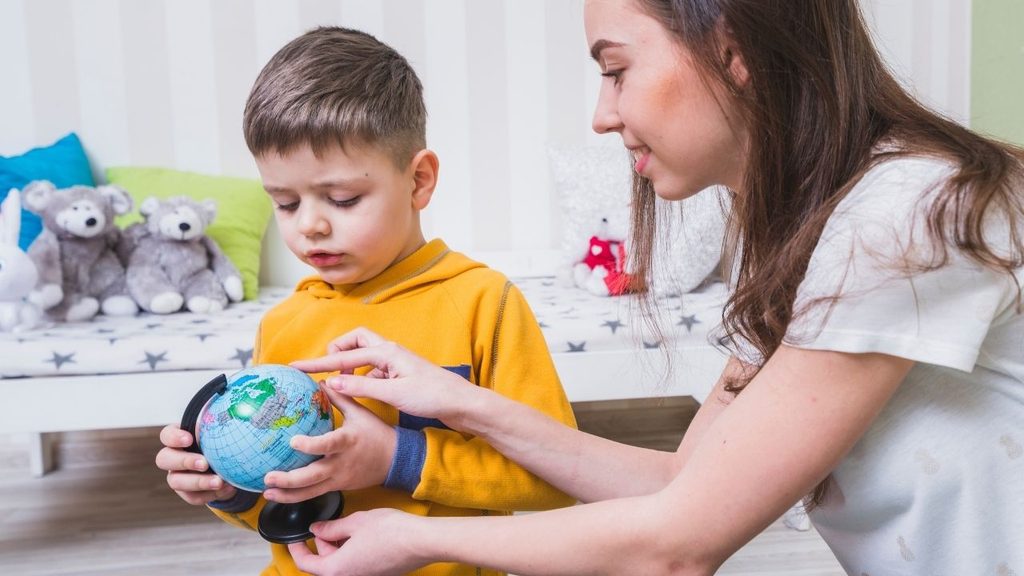
Everyday interaction gives children repeated opportunities to practice developing skills. Support at home does not need to look like a formal therapy session.
Talking and reading together can encourage communication, attention, memory, and shared interaction. During play, parents can follow a child’s interests, demonstrate new ways to use an object, or pause before helping so the child has an opportunity to attempt a solution independently.
Predictable routines can also support learning. Repeating familiar sequences around meals, dressing, bedtime, and play gives children opportunities to anticipate what happens next and gradually participate more independently.
Hands-on activities such as puzzles, blocks, matching games, pretend-play materials, and sensory toys can provide additional opportunities for exploration when they suit the child’s developmental level and preferences. Families looking for play-based options can browse So Special Too’s range of sensory toys and learning tools and select activities that fit their child’s interests and abilities.
The most useful activity is not necessarily the most complicated one. Consistent interaction, encouragement, and opportunities to practice skills during everyday life can be meaningful parts of development.
Creating a Supportive Environment for Development
A supportive environment gives children room to explore, communicate, practice, and make mistakes safely.
Parents can encourage development by noticing and responding to communication attempts, giving children time to complete tasks, offering age-appropriate choices, and adapting activities so the child can participate successfully.
Repetition can also be useful. Reading the same story several times, repeating familiar songs, practicing a movement during play, or returning to a favorite puzzle gives children opportunities to strengthen skills through familiarity.
Support should also reflect the individual child. An activity that works well for one child may be frustrating, overwhelming, or simply uninteresting to another. Following a child’s strengths and interests can make learning more engaging while still creating opportunities to practice developing skills.
Frequently Asked Questions
Possible developmental delay signs may involve communication, movement, learning, problem-solving, social interaction, or everyday skills. The pattern over time matters more than one isolated milestone, and loss of previously acquired abilities should always be discussed with a healthcare professional.
No. Children develop at different rates, and missing or reaching one milestone later than another child does not automatically mean there is a developmental delay. Healthcare professionals consider overall progress, strengths, concerns across different areas, and the child’s individual history.
Parents can raise a developmental concern whenever something about their child’s progress worries them. There is no need to wait for several milestones to be missed. Loss of skills, lack of ongoing progress, or difficulties across multiple areas are particularly important reasons to speak with a healthcare professional.
Yes. Children with developmental delays can continue learning and developing skills, although progress varies depending on the child and the reason for the delay. Appropriate therapies, early intervention, educational support, family involvement, and healthcare can help address individual needs.
A concerning screening result does not automatically provide a diagnosis. A healthcare professional may recommend further developmental or medical evaluation, referral to a specialist, or connection with early intervention or educational services depending on the child’s age and needs.
Conclusion
Recognizing developmental delay signs is not about comparing a child with every other child their age. It is about noticing how development is progressing over time and knowing when a pattern deserves a closer look.
Children develop at different rates, and one later milestone does not necessarily mean something is wrong. However, ongoing difficulties with communication, movement, learning, social interaction, or everyday activities, and especially the loss of previously developed skills, should be discussed with a qualified healthcare professional.
Parents play an important role because they observe their child’s development every day. By tracking progress, sharing concerns, attending regular healthcare visits, and seeking appropriate support when needed, families can better understand their child’s individual strengths and needs and help create opportunities for continued growth.




