
 By Walker Evans

When your child begins to exhibit behaviors like hand flapping, it’s natural for a flurry of questions and concerns to arise. Often associated with autism, hand flapping can also be a typical aspect of child development, manifesting during moments of excitement, stress, or playful imagination.
We aim to demystify this behavior by exploring its various contexts beyond the autism spectrum. You will be surprised to know how hand flapping can be a regular expression of a child’s emotional and sensory processing, distinguishable from behaviors signaling developmental concerns.
This article provides parents and caregivers like you with insights and reassurance, helping you understand when hand flapping is a typical development and when it might indicate a need for a professional evaluation.
Join us as we unpack the nuances of this expected behavior, ensuring you are well informed and equipped to support your child’s growth and well-being.
What is Hand Flapping?
Hand flapping is a physical behavior characterized by the rapid waving or fluttering of the hands. Children might exhibit this movement in various emotional states, ranging from excitement and anticipation to anxiety and sensory overload. This gesture is often spontaneous and can be a child’s natural response to emotions that they are experiencing intensely.
While hand flapping is commonly recognized as a sign associated with autism spectrum disorder, it’s crucial to understand that this behavior is not exclusive to autism. Many children without developmental delays or neurological conditions engage in hand flapping during their early developmental stages.
It is a part of normal child development, where young children explore different ways of expressing their emotions and reactions to the world around them.
In autism, hand flapping is often discussed as a stimming behavior, which stands for self-stimulatory behavior. This kind of action helps some individuals with autism to manage anxiety, cope with overwhelming sensory environments, or physically express their feelings.
However, in neurotypical development, hand flapping appears as a physical expression of joy or excitement, such as when a child sees something they greatly enjoy or engages in imaginative play.
Parents and caregivers must observe hand flapping within the broader context of a child’s behavior and development. By understanding when and why hand flapping occurs—whether as a joyful exclamation in a moment of happiness or as a coping mechanism in a moment of stress—they can empower themselves better to support their child’s growth and emotional needs.
Recognizing the diverse reasons behind hand flapping helps demystify this behavior, affirming that it can be a regular part of how children express themselves and interact with their environment.
Common Contexts for Hand Flapping Beyond Autism
Hand flapping in children can occur in various situations unrelated to autism, serving different purposes in emotional expression and self-regulation. Understanding these contexts can help parents and caregivers recognize the natural and often healthy reasons behind this behavior.
Hand Flapping When Excited Is Not Autism
One of the most common reasons children flap their hands is in response to excitement or joy. This expressive movement can occur when a child anticipates a favorite activity, such as going to the playground or starting a fun game.
It’s also commonly seen when children engage in exciting stories or see someone they love. In these instances, hand flapping is an overflow of the child’s exuberant emotions, displaying their inability to contain their happiness.
It’s a visual manifestation of their internal delight and excitement, where the physical motion expresses feelings that words cannot fully capture at their young age.
Stress Relief
Hand flapping also appears as a mechanism for managing stress or for self-soothing in situations that might overwhelm a child. Some children might find hand flapping helpful for releasing tension and regaining control in noisy, crowded, or otherwise overstimulating environments.
This behavior helps them to self-regulate by focusing their energy on a physical action, which can be particularly useful for children who are not yet adept at verbalizing their feelings. It’s a coping technique that, much like rocking or thumb-sucking, provides comfort and reassurance in moments of anxiety or sensory overload.
Physical Expression During Play
Children often use hand flapping to express energy or emotions during play naturally. This behavior can be observed in situations where play involves high levels of excitement or imagination.
For instance, children might flap their hands like wings when pretending to be a bird or an airplane, integrating this movement into their imaginative play. This is also seen when children are physically active, such as running around or jumping, where hand flapping accompanies their bursts of movement, enhancing the joy and freedom they feel during play.
Why Hand Flapping is Not Always Related to Autism
Hand flapping, a behavior often observed in children, can sometimes raise concerns among parents and caregivers due to its association with Autism Spectrum Disorder (ASD).
However, it’s important to understand that hand flapping does not exclusively indicate autism. This behavior can occur in various contexts of typical child development. Let’s explore why hand flapping can be seen in children beyond those diagnosed with autism.
Sensory Exploration
Children are naturally curious and interact with their world differently, including hand flapping. This behavior can be a part of sensory exploration, where children discover and react to their environment.
For example, when children are excited or stimulated by their surroundings, they might flap their hands to express and manage these feelings. This kind of sensory play is crucial as it helps them learn how to process and respond to sensory information.
Hand flapping can be another way for young children to experiment with how their bodies move and react to stimuli, a normal part of sensory development.
Developmental Phases
It’s also essential to recognize that many children undergo various developmental phases where they exhibit repetitive movements, including hand flapping. These behaviors are typically transient, which children outgrow as they develop other ways to cope with emotions and sensory input.
During early childhood, repetitive movements are common and can serve as mechanisms for self-regulation as they navigate through rapid phases of growth and learning. Just as some children might repeatedly open and close doors or line up toys, others may use hand flapping to explore their physical abilities and control.
Diverse Expressions
Every child is unique in expressing their feelings and reacting to the world around them. Hand flapping is just one of many expressions children might use to communicate excitement, stress, happiness, or other emotions. It’s one tool in children’s broad repertoire of behaviors as they learn to communicate effectively.
Understanding this diversity in expression is crucial in recognizing the individuality of each child’s developmental journey. Not all unusual or repetitive behaviors are signs of a developmental disorder; they are often part of a child’s expression as they grow and interact with their environment.
How to Distinguish Between Typical Hand Flapping and Concerning Signs
Hand flapping can cause concern among parents and caregivers, especially when trying to determine if it’s a typical part of a child’s development or a sign of a more significant issue, such as Autism Spectrum Disorder (ASD).
To help differentiate between typical hand flapping and behaviors that warrant further evaluation, it’s essential to consider both the context and frequency of the behavior and any associated behaviors accompanying it.
Frequency and Context
One of the first factors to consider is how often the hand flapping occurs and the situations in which it manifests. Observing the frequency and context provides critical clues:
- Frequency: Is the hand flapping occasionally or nearly constant? Occasional hand flapping when a child is excited or joyful can be typical. However, if the hand flapping is frequent and is a child’s primary way of responding to various situations, it warrants a closer look.
- Context: Assess the scenarios in which hand flapping occurs. If it emerges mainly in contexts of high emotion or sensory stimulation—like during a birthday party, at a playground, or while watching a favorite TV show—this might simply be how the child expresses intense feelings. However, if hand flapping is persistent across multiple settings and does not seem tied to specific emotional states, this could indicate deeper sensory processing issues.
Associated Behaviors and Developmental Milestones
It’s also crucial to look at hand flapping within the broader context of the child’s overall behavior and development:
- Associated Behaviors: Are there other repetitive behaviors present? Do these behaviors interfere with the child’s ability to engage in typical daily activities? For example, if hand flapping is accompanied by other repetitive motions or rituals that the child cannot easily be redirected from, this could be a sign of a developmental concern.
- Developmental Milestones: Consider the child’s progress with developmental milestones, particularly social communication and adaptive behaviors. Delays in milestones such as speaking, social interactions, or adaptive behaviors like dressing and feeding themselves can be more concerning when seen with frequent hand flapping.
When to Seek Further Evaluation
If observations of frequency, context, associated behaviors, and developmental milestones suggest that hand flapping is part of a broader pattern of atypical development, it may be time to seek further evaluation from a professional.
Pediatricians, child psychologists, or pediatric neurologists can provide assessments and guidance. They can help determine if the behavior is within the range of typical development or if it indicates a need for developmental screening or diagnostic assessment for ASD or other developmental disorders.
When to Seek Professional Advice
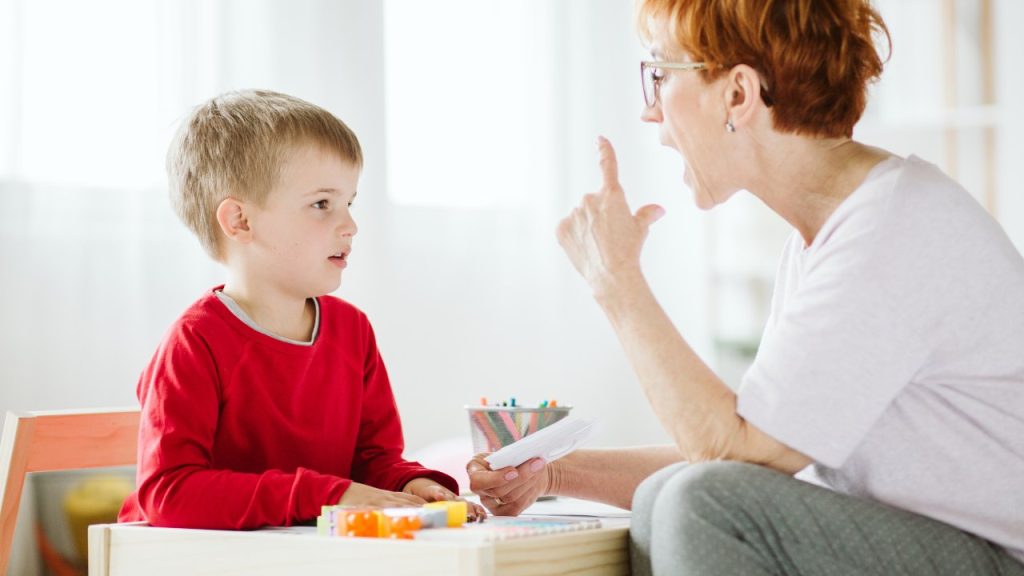
Understanding when to consult a healthcare professional about your child’s hand flapping can be pivotal in ensuring they receive appropriate support and guidance. Hand flapping alone, particularly in moments of excitement or high emotion, is often a normal part of childhood development.
However, there are specific instances where seeking advice from a pediatrician or child development specialist becomes necessary.
Signs to Watch For
Parents and caregivers must observe hand flapping within the broader context of a child’s overall behavior and development. Here are some signs that suggest a consultation with a healthcare professional might be appropriate:
- Persistent and Frequent Hand Flapping: If hand flapping is frequent and occurs across many different contexts—such as during meals while playing or when engaging in social activities—and does not seem tied to any particular triggers like excitement or anxiety.
- Accompanying Developmental Delays: Hand flapping that coincides with delays in other developmental milestones can be a concern. This includes delays in speech, social skills, or motor skills like walking or using utensils. If hand flapping is one of your child’s atypical behaviors, it is important to discuss these observations with a professional.
- Impact on Daily Activities: If the hand flapping is severe enough to interfere with daily activities, such as eating, interacting with others, or participating in school activities, this can be a sign that the behavior stems from a deeper issue.
- Social and Emotional Development Concerns: If you notice your child struggling with social interactions, such as not making eye contact, not responding to their name, or having difficulty playing with peers, these challenges are observed alongside hand flapping.
Consulting a Professional
Here’s how to approach the consultation process:
- Document Behaviors: Record the hand flapping episodes, noting when they occur, their frequency, and any accompanying circumstances or behaviors. This information can be invaluable to healthcare providers when making an accurate assessment.
- Choose the Right Specialist: While a pediatrician is often the first point of contact, based on the symptoms described, they may refer you to a specialist such as a developmental pediatrician, child psychologist, or pediatric neurologist.
- Be Open and Thorough. During the consultation, Discuss your observations and concerns. The more information you provide, the better equipped the healthcare provider will be to understand your child’s needs.
- Follow-Up: After the initial assessment, follow up on the recommendations provided. Whether it’s further diagnostic assessments, involvement in therapeutic interventions, or just monitoring the behavior, ongoing evaluation is crucial.
Final Words
Hand flapping in children can manifest for various reasons that aren’t always linked to autism. It’s a behavior that can express joy and excitement or even serve as a mechanism for coping with sensory overload. Understanding the diverse contexts in which hand flapping occurs can provide significant peace of mind and demystify concerns you might have about your child’s development.
While monitoring behaviors that seem out of the ordinary is essential, it’s equally crucial to recognize the broad spectrum of normal child development. Each child is unique, and expressions like hand flapping can be a natural part of their growth and emotional expression.
However, if you are worried or unsure about your child’s behavior, seeking advice from a healthcare professional can help clarify your concerns.
We encourage you to use the insights from this article to observe and support your child’s development with understanding and compassion.
You know your child best, and your proactive approach can make all the difference in nurturing their growth and well-being.




