 By Walker Evans
Autism spectrum disorder, often called ASD, is a neurodevelopmental condition that affects communication, behavior, sensory processing, and social interaction. The word “spectrum” is important because autism affects individuals differently. Some people may require substantial support in daily life, while others live independently and excel academically or professionally.
Over the last two decades, autism awareness and diagnosis rates have increased significantly worldwide. This increase has led many parents to ask difficult questions about why autism happens and whether it runs in families. One of the most common concerns is whether autism is inherited genetically or caused by environmental exposure during pregnancy or early childhood.
Modern medical research suggests that autism is not linked to a single cause. Instead, scientists believe autism develops through a complex interaction between genetics and environmental influences affecting early brain development.
Medical note: This article is for educational purposes only and should not replace guidance from a pediatrician, developmental specialist, or genetic counselor.
Quick Answers
- Autism spectrum disorder has a strong genetic component, but genetics alone do not explain every case
- Researchers believe autism develops through a combination of genetic and environmental influences
- Having one autistic child slightly increases the likelihood of autism in siblings
- No scientific evidence shows that vaccines cause autism
- Early diagnosis and support can significantly improve long-term developmental outcomes
- Autism is not caused by parenting style, emotional neglect, or poor discipline
- Scientists continue studying how brain development, genes, and prenatal factors interact in autism
Is Autism Genetic?
Research strongly supports the idea that genetics play a major role in autism spectrum disorder. Studies involving twins and families consistently show that autism tends to run in families more often than would happen by chance alone.
Scientists have identified hundreds of genes associated with autism risk. Some genes affect how brain cells communicate, while others influence early neurological development before birth. However, no single “autism gene” exists. Instead, autism appears to result from combinations of genetic variations interacting together.
A large study supported by the U.S. National Institutes of Health found that inherited genetic factors account for approximately 80% of the risk for autism spectrum disorder. Researchers studied more than 2 million people from five countries, making this one of the stronger population-level findings on autism heritability.
Parents often worry that they somehow caused autism through lifestyle choices or parenting methods, but medical evidence does not support this fear. Autism is not caused by emotional neglect, poor parenting, or discipline style.
According to the U.S. National Institute of Environmental Health Sciences, both inherited genes and environmental influences likely contribute to autism development.
How Autism Can Run in Families
Many parents notice patterns within extended families after a child receives an autism diagnosis. A sibling may show social communication difficulties, or a parent may recognize similar childhood traits in themselves.
Research shows that families with one autistic child have an increased probability of having another child on the spectrum compared to the general population. This does not guarantee autism will occur again, but the statistical likelihood becomes higher.
Some inherited traits associated with autism may appear subtly across generations. These can include sensory sensitivity, social anxiety, repetitive behaviors, or highly focused interests. In some families, traits remain mild enough that individuals are never formally diagnosed.
Scientists believe autism-related genes can sometimes remain inactive or combine differently between generations. This complexity explains why autism severity and presentation vary so widely, even among relatives.
Environmental Factors Researchers Continue to Study
Although genetics are important, researchers also study environmental influences that may affect early brain development. Environmental factors do not mean parenting mistakes after birth. Instead, scientists focus mostly on prenatal and early developmental conditions.
Certain pregnancy complications, advanced parental age, premature birth, and maternal infections during pregnancy have all been investigated as possible contributing factors. Researchers are also exploring how inflammation, metabolic conditions, and prenatal exposure to pollutants might interact with genetic susceptibility. The National Institute of Environmental Health Sciences notes that autism research includes both genetic factors and early-life environmental exposures that may interact with development.
Importantly, environmental factors alone do not “cause” autism in the same way a virus causes infection. Instead, experts believe these influences may interact with genetic predisposition in complex ways.
The Centers for Disease Control and Prevention (CDC) explains that autism spectrum disorder likely develops from multiple causes rather than one single factor.
Debunking the Vaccine Myth
One of the most harmful misconceptions about autism is the belief that vaccines cause the condition. This claim originated from a discredited study published decades ago that has since been fully retracted due to scientific misconduct.
Since then, multiple large-scale studies involving large numbers of children have found no credible evidence linking vaccines to autism. Medical organizations around the world, including the World Health Organization (WHO) and the American Academy of Pediatrics, strongly reject the vaccine-autism theory.
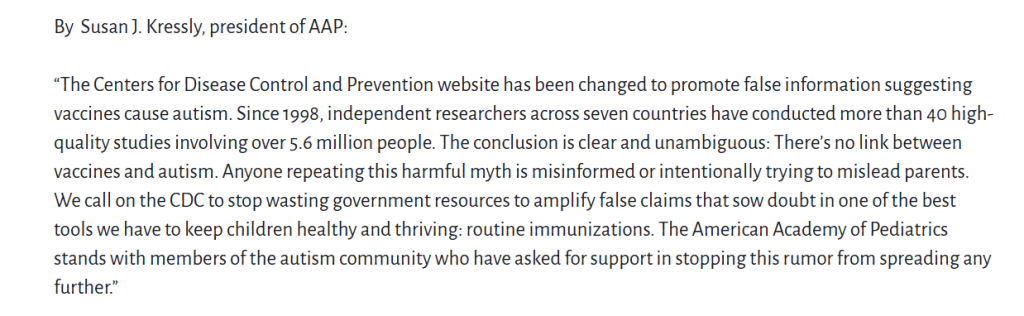
Unfortunately, misinformation surrounding vaccines continues to create fear among parents despite overwhelming scientific evidence disproving the connection.
Early Signs Parents Often Notice
Autism signs can appear differently from child to child. Some children show noticeable developmental differences before age two, while others may develop symptoms more gradually.
Parents commonly notice delayed speech development, limited eye contact, unusual sensory reactions, repetitive movements, or difficulty responding socially. The CDC lists signs such as limited eye contact, not responding to a name, few gestures, and differences in social interaction as possible early signs of autism.
Not every child with developmental delays has autism, and not every autistic child shows the same signs. This variability is why professional evaluation is important when concerns arise.
Early developmental screening allows children to receive supportive therapies sooner, which can improve communication and adaptive skills over time.
Why Autism Diagnoses Have Increased
Many people wonder whether autism itself is becoming more common or whether diagnosis methods have simply improved. Researchers believe several factors contribute to increased diagnosis rates.
Diagnostic criteria have expanded over time, allowing more individuals with milder presentations to receive identification and support. Public awareness has also improved, helping parents and teachers recognize developmental differences earlier.
In previous decades, many autistic individuals were either misdiagnosed or never diagnosed at all, especially girls and individuals with lower support needs. Today, healthcare professionals have better tools and understanding for identifying autism across different populations.
The Role of Early Support and Intervention
Although autism itself is lifelong, early support can make a substantial difference in communication, behavior management, and daily functioning.
Speech therapy, occupational therapy, behavioral support, educational accommodations, and sensory-friendly environments often help autistic children navigate challenges more effectively. Early developmental screening allows children to receive supportive therapies sooner, which can improve communication and adaptive skills over time.
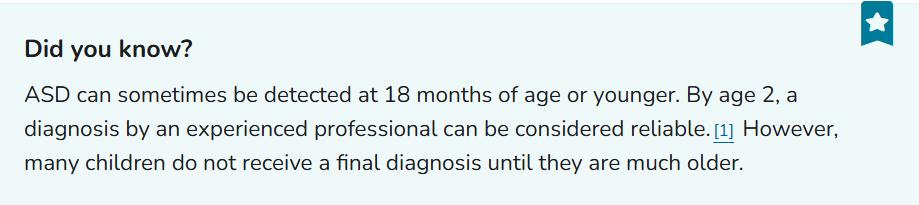
The CDC notes that autism can sometimes be detected by 18 months or younger, and by age 2, a diagnosis by an experienced professional can be considered reliable.
Support approaches should always focus on improving the quality of life rather than forcing children to hide or suppress their identity. Every autistic individual has unique strengths alongside challenges, and personalized care produces better outcomes than rigid one-size-fits-all approaches.
FAQs
Yes, research strongly suggests autism can run in families. Genetic factors play a major role in autism spectrum disorder, although inheritance patterns are complex.
No. Scientists believe autism develops through a combination of genetic and environmental influences affecting early brain development.
No. Multiple large-scale medical studies have found no evidence linking vaccines to autism.
The likelihood becomes higher compared to the general population, but it does not guarantee another child will be autistic.
Many parents begin noticing signs between 12 months and 3 years old, although some children are diagnosed later.
Final Thoughts
The question “Is autism genetic?” does not have a simple yes-or-no answer, but modern science clearly shows that genetics plays a major role in autism spectrum disorder. At the same time, researchers continue studying how environmental and developmental factors may interact with inherited susceptibility.
What matters most for parents is understanding that autism is not caused by bad parenting, emotional neglect, or vaccines. Scientific evidence overwhelmingly supports a complex biological explanation involving brain development and genetics.
As autism research continues advancing, awareness and early support remain essential. Families benefit most when they focus less on blame or fear and more on understanding, acceptance, and evidence-based guidance.