
 By Walker Evans
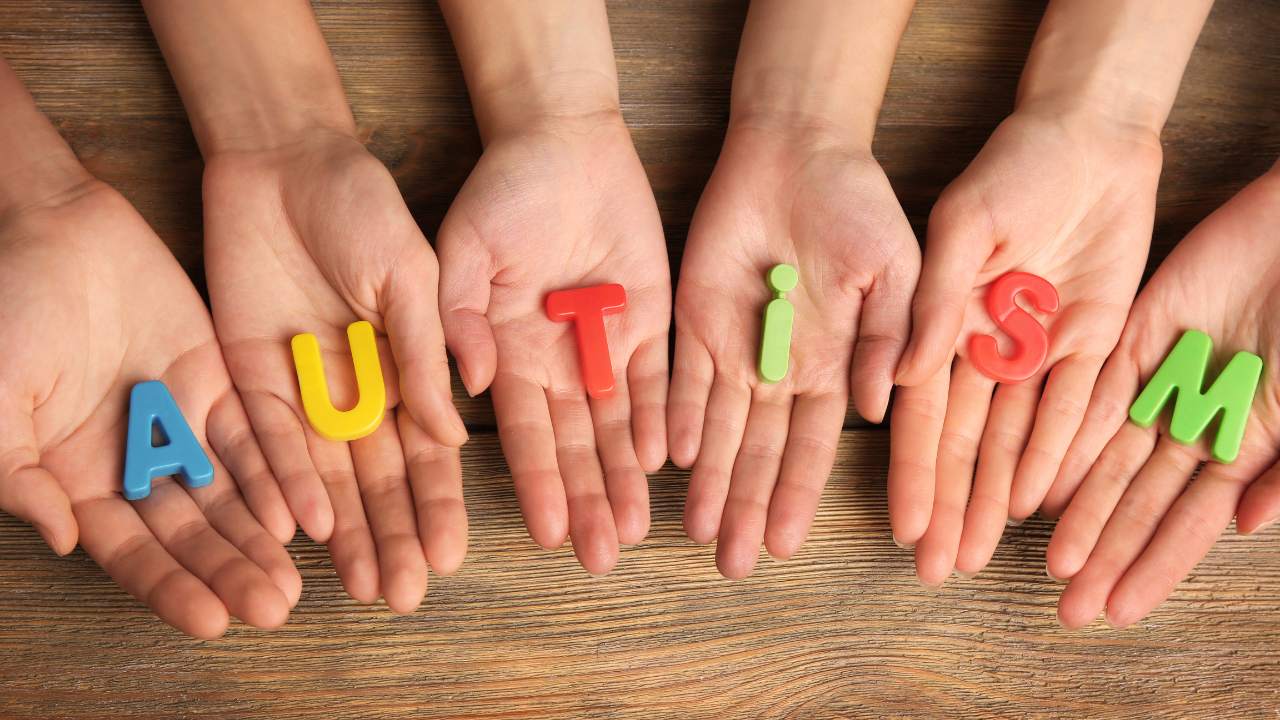
One pivotal decision in the journey of an individual or a caregiver dealing with autism is whether to seek an official autism diagnosis.
We have put our best effort into compiling the critical reasons behind pursuing a diagnosis and how it can significantly shift the dynamics for better support and understanding.
A diagnosis isn’t just about labeling—it’s a gateway to tailored resources, educational paths, and community support systems that recognize and accommodate unique needs.
We also address the stigma that often shadows autism and outlines practical ways to transcend these barriers, turning them into opportunities for advocacy and empowerment.
Join us in exploring how embracing a diagnosis can unlock a supportive framework, paving the way for acceptance and a fuller understanding of the autism spectrum.
Is It Worth Getting An Autism Diagnosis?
Deciding whether to seek an autism diagnosis can be a significant consideration for many individuals and families. Here are some key factors that highlight the importance and potential benefits of obtaining a formal diagnosis of autism:
Access to Targeted Services and Supports
A formal diagnosis of autism often opens doors to a range of specialized services and supports that are designed to meet the unique needs of individuals on the spectrum. These can include educational programs, speech and occupational therapy, social skills groups, and other interventions tailored to help with various developmental challenges associated with autism.
Educational and Workplace Accommodations
With a diagnosis, individuals with autism can access accommodations in educational settings under laws like the Individuals with Disabilities Education Act (IDEA) in the U.S., which ensures tailored educational plans (IEPs) to support learning and development. In the workplace, adults can request reasonable accommodations under laws such as the Americans with Disabilities Act (ADA) to help them perform their duties effectively.
Better Understanding and Personal Insight
Understanding one’s behaviors and challenges through the lens of autism can provide significant personal insights. This can lead to improved self-awareness, self-acceptance, and a better understanding of one’s strengths and challenges. It also helps explain these aspects to others, fostering better relationships and social understanding.
Advocacy and Legal Rights
A diagnosis formally recognizes the challenges faced due to autism, providing a solid foundation for advocacy. It can help fight for rights, appropriate support, and public understanding at individual and community levels.
Community and Support Networks
Diagnosed can connect individuals and families with communities and networks offering support, shared experiences, and resources. These communities can be invaluable sources of support, advice, and friendship.
Planning for the Future
For parents and caregivers, a diagnosis can assist in planning for the child’s future needs, including therapy, education, and eventually, adult living and employment options. It can help set realistic expectations and prepare for potential challenges that might arise later.
Personal and Family Peace of Mind
Finally, a diagnosis can bring peace of mind to individuals and families who may have been seeking answers for various behaviors and difficulties for a long time. Knowing what you are dealing with can reduce uncertainty and help you find the right resources and strategies to manage the condition effectively.
However, diagnosing autism comes with some social stigmas that can hamper your awareness.
Understanding Autism and Its Stigma
Autism Spectrum Disorder (ASD) is a developmental condition characterized by differences in social interaction, communication, and behavior.
The term “spectrum” highlights the wide range of symptoms and abilities among those with ASD, encompassing individuals who may require significant support in their daily lives and those who are highly independent.
Defining Autism Spectrum Disorder
Challenges in three main areas primarily identify autism:
- Social Communication: Individuals with autism might find it challenging to interpret verbal and non-verbal cues like gestures, facial expressions, and tone of voice. They may not respond to social interactions in typical ways or may struggle with maintaining conversations.
- Repetitive Behaviors and Routines: Many people with autism prefer predictable routines and may display repetitive behaviors (such as rocking or hand-flapping) to manage anxiety or express excitement.
- Sensory Sensitivity: Individuals on the autism spectrum often experience atypical responses to sensory input. These can involve being overwhelmed by seemingly minor sounds or lights or showing little reaction to intense stimuli.
Origins of the Stigma Associated with Autism
The stigma surrounding autism can be traced back to several sources, including historical misunderstandings, media portrayals, and a general lack of public awareness:
- Historical Misunderstandings: In the past, autism was poorly understood and often wrongly associated with other conditions or misinterpreted as a result of cold parenting styles. Early theories and misdiagnoses contributed to negative stereotypes and misconceptions about autism and the abilities of those who have it.
- Media Portrayal: Media representations have frequently depicted individuals with autism as either savants or individuals who are severely challenged. Such portrayals often fail to represent the diversity within the spectrum and can lead to skewed perceptions in the public eye. While movies and TV shows have begun to present more nuanced characters with autism, there remains a need for broader and more accurate representation.
- Lack of Public Awareness: Despite increasing awareness, there remains a significant portion of the population that is uninformed about what autism involves. This lack of knowledge can lead to prejudice, misunderstanding, and discrimination against individuals with autism and their families.
Combating Autism Stigma
Efforts to combat the stigma associated with autism involve education, advocacy, and increased representation:
- Education: It is crucial to provide accurate information about autism to the public. Educational programs in schools, workplaces, and communities can help dispel myths and promote understanding.
- Advocacy: Individuals with autism, their families, and supporters can advocate for rights and inclusion in all aspects of society. Advocacy also involves challenging discriminatory practices and policies.
- Representation: Encouraging the inclusion of individuals with autism in all forms of media and public life can foster a better understanding and appreciation of the diversity within the autism community.
Impact of Stigma on Individuals with Autism and Their Families
The stigma associated with Autism Spectrum Disorder (ASD) can deeply affect not only the individuals diagnosed but also their families.
This stigma can manifest in various forms, leading to social isolation, barriers to accessing necessary services, and daily challenges that extend beyond the symptoms of autism itself.
Social Isolation and Misunderstanding
One of the most immediate impacts of stigma is social isolation. Both individuals with autism and their families often find themselves excluded from social gatherings, community activities, or educational opportunities simply due to misunderstandings or prejudices about autism.
Case Study
Consider the experience of Emma, a mother whose son, Jake, has autism. She noted that invitations to birthday parties decreased significantly once her son’s diagnosis became known among their circle of friends. The parents’ assumption that Jake’s behavior might be disruptive has led to a painful exclusion for both Jake and Emma, exacerbating feelings of isolation.
Difficulties in Accessing Services
Stigma often leads to significant challenges in accessing support services. Families frequently encounter barriers when seeking educational accommodations, therapeutic interventions, or medical help due to misconceptions or a lack of awareness about autism.
Personal Anecdote
Michael, a father of a daughter with autism, shared his frustration with the local school system, which was reluctant to make necessary accommodations for his daughter. The school personnel’s limited understanding of autism and implicit biases about what Michael’s daughter could achieve academically left the family struggling to secure the support she needed to succeed.
Employment and Independence
For adults with autism, stigma can be a formidable barrier to gaining and maintaining employment. Employers’ preconceived notions about autism can severely limit job opportunities, affecting an individual’s ability to live independently and contribute economically.
Illustrative Example
Sarah, an adult with high-functioning autism, described her job search as disheartening. Despite having a college degree and relevant job skills, she often felt that disclosing her diagnosis led to a quick end to job interviews. This repeated rejection not only impacted her career prospects but also her self-esteem and mental health.
Family Stress and Dynamics
The stigma associated with autism can also place a strain on family dynamics. The constant advocacy required to combat misconceptions can be exhausting for families, and the public’s misjudgment often leads to internalized stress and conflict.
Family Story
The Johnson family recounted how the stigma of autism affected their relationships with extended family members. Misunderstandings and judgments about their parenting style or about their son’s behaviors during family gatherings created tensions and led to fewer interactions with relatives.
Overcoming Stigma: Practical Steps

The stigma associated with Autism Spectrum Disorder (ASD) can create significant barriers to inclusion and acceptance. However, there are proactive steps that individuals and families can take to help reduce these barriers and foster a more understanding community. Here are practical ways to overcome the stigma associated with autism:
Educating Others About Autism
Knowledge is a powerful tool against ignorance and misinformation. Educating those around you about autism can help dispel myths and change perceptions.
- Share Information: Provide clear, accurate information about what autism is and isn’t. This could be through informal discussions, sharing articles and books, or even organizing small workshops with experts.
- School Involvement: Work with your child’s school to ensure that the staff and students have an appropriate understanding of autism. This might involve setting up training sessions with autism professionals or facilitating autism awareness programs within the school.
Engaging in Community Activities and Awareness Events
Participation in broader community activities can enhance visibility and integration, which is essential in combating stigma.
- Join Public Events: To promote inclusion and encourage participation in community events not explicitly designed for autism, such as local fairs, sports events, or arts and crafts shows.
- Organize Awareness Activities: Consider organizing or participating in autism awareness events. These can range from charity runs to informational fairs or speaking at local events about the autism experience.
Connecting with Autism Support Networks and Groups
Building a network can provide both support and a platform for collective advocacy.
- Local Support Groups: Join or form support groups to share experiences and strategies. These groups can also serve as a base for organizing community events or educational programs.
- Online Communities: Engage with online forums and social media groups focused on autism. These platforms can be great for connecting with others, sharing experiences, and organizing virtual events to raise awareness.
Advocacy and Representation
Being an advocate involves pushing for systemic changes that can create a more inclusive environment for individuals with autism.
- Policy Advocacy: Get involved in advocacy efforts to influence policies that impact individuals with autism, such as education, healthcare, and employment.
- Media Representation: Engage local media to cover stories about autism that highlight the positives and the successes, not just the challenges. Accurate media representation can do wonders in shaping public perception.
Final Words
As we conclude our exploration into the profound impact of obtaining an autism diagnosis, it’s clear that while the decision is deeply personal, the benefits often extend far beyond the individual.
A formal diagnosis can be critical in dismantling stigma, opening doors to specialized support, and fostering a deeper understanding within the community. It equips families with the necessary resources to advocate effectively, ensuring that every person on the autism spectrum receives the respect, education, and opportunities they deserve.
We encourage all parents and caregivers grappling with this decision to consider the challenges and potential empowerment that a diagnosis can offer. The path to more significant support, understanding, and acceptance begins with recognizing and embracing the unique needs and strengths of each autistic individual.
If you find yourself on the fence, remember that seeking a diagnosis is a step toward clarity and support in your journey with autism. For more insights and guidance, we invite you to read the full article and join the community of those advocating for a more inclusive world.




