
 By Walker Evans
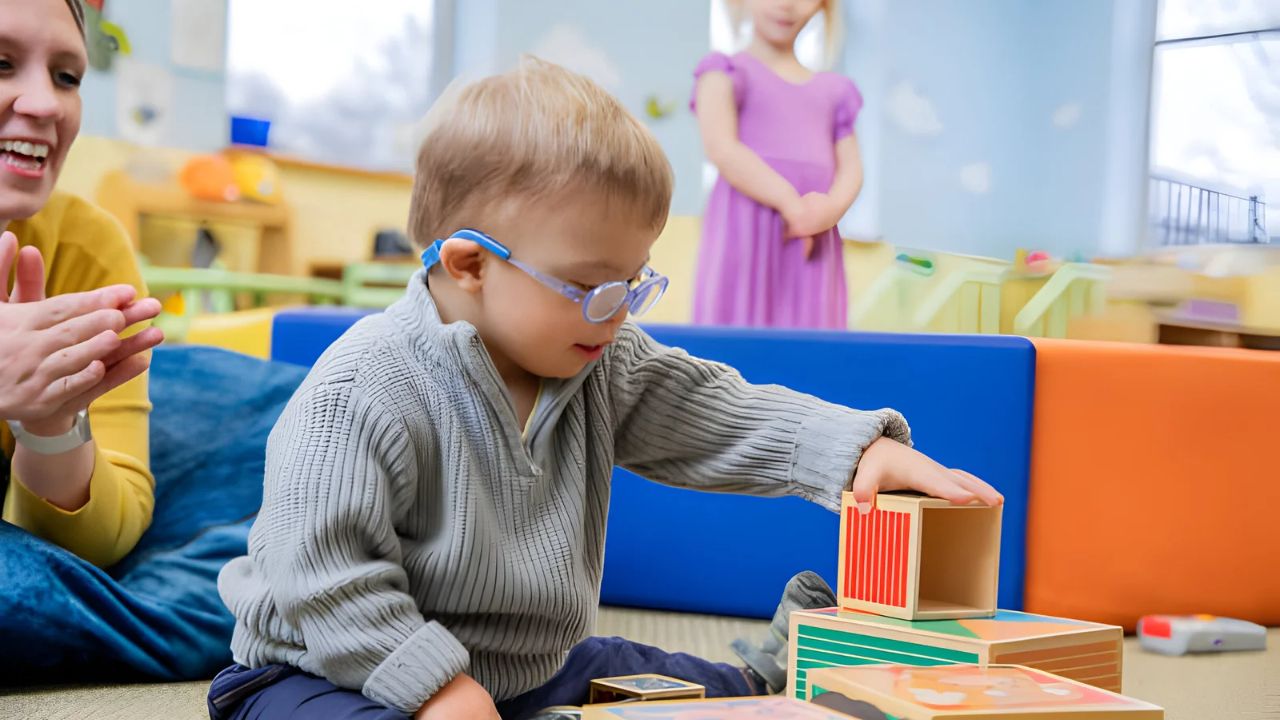
As parents, we revel in each milestone our children reach, often using these achievements as markers of growth and potential. But when these milestones arrive significantly earlier than anticipated, it can stir a mix of pride and perplexity.
This blog post delves into the nuanced landscape of early developmental milestones and their potential connections to Autism Spectrum Disorder (ASD). We’ll explore the significance of these early achievements, balancing our understanding with neurodiversity and the broad spectrum of normal development.
Let’s help you understand your child’s development, from their first words to their interests. This book offers insights from pediatricians, psychologists, and autism experts to illuminate your child’s path.
Join us as we navigate the multifaceted journey of early development, embracing each child’s unique trajectory with informed care and support.
Research Findings on Early Milestones and Autism
Understanding the relationship between early developmental milestones and autism spectrum disorder (ASD) is crucial for parents and caregivers. You may need to check the differences between global development delay and autism to have a better understanding.
Recent research has provided valuable insights into how early milestones may relate to autism, helping to inform early detection and intervention strategies.
Key Studies and Findings
Variability in Milestone Achievement and ASD
A study published in the “Journal of Autism and Developmental Disorders” found significant variability in the achievement of developmental milestones among children with ASD.
Some children met milestones much earlier than average, while others experienced delays. This variability underscores the spectrum nature of autism, indicating that early milestone achievement alone is not a definitive predictor of ASD.
Early Motor Milestones and Autism Risk
Research in the “American Journal of Occupational Therapy” explored the connection between motor milestones and later ASD diagnosis.
The study noted that children diagnosed with ASD often reached certain motor milestones, like sitting and walking, within typical age ranges but displayed differences in the quality of motor movements.
These subtleties in early motor development may offer clues to underlying neurological differences associated with autism.
Advanced Language Skills and ASD
A notable study highlighted in “Pediatrics” examined children who developed advanced language skills at an unusually early age. Some of these children were later diagnosed with ASD, particularly those who also exhibited repetitive behaviors and social communication challenges.
This suggests that while early language development can be a sign of advanced cognitive abilities, it may also co-occur with other signs of autism in certain cases.
The Importance of Social Milestones
The “International Journal of Environmental Research and Public Health” published findings emphasizing the significance of social and emotional milestones in predicting ASD.
Children with autism might show delays or differences in social milestones, such as responding to their names, sharing interest in objects, or engaging in pretend play. These social milestones can be more telling than the timing of physical or language milestones alone.
Interpreting the Research
Parents and caregivers need to understand that while research offers valuable insights, the presence or absence of certain milestones at specific ages is just one piece of the autism puzzle.
Autism is diagnosed based on a wide range of behaviors and developmental patterns, not solely on when a child starts to walk or talk.
Early milestone achievements, especially when they deviate significantly from typical development patterns, should prompt a broader evaluation of a child’s developmental trajectory rather than immediate concern for autism.
The focus should be on the child’s overall development, including social interaction, communication skills, and behavior patterns.
Interpreting Early Development: Expert Advice
Navigating your child’s early development, especially when milestones are reached ahead of typical timelines, can elicit a mix of pride and concern.
To shed light on this complex journey, we’ve gathered insights from pediatricians, psychologists, and autism experts. Their advice aims to guide parents in understanding what early milestone achievements might indicate and when to seek further evaluation.
Expert Insights on Early Milestone Achievements
Observation Beyond the Milestones
Dr. Emily R. Smith, a developmental pediatrician, emphasizes, “While early achievement of certain milestones can be a sign of advanced development, it’s crucial to look at the child’s holistic progress. Observe how your child uses their skills in social settings and whether they show versatility in their abilities.”
Quality of Interaction Matters
Dr. Aiden K. Lee, a psychologist specializing in early childhood development, notes, “Parents should pay attention to not just when their child achieves a milestone but how they interact with their environment. For instance, an early talker should also engage in back-and-forth communication, not just recite words or memorize scripts.”
The Spectrum of Development
Autism expert and advocate Jamie T. Rodriguez shares, “Autism is a spectrum, and so is child development. Early milestones don’t necessarily predict autism but warrant a nuanced understanding of a child’s developmental profile, including social, emotional, and communication skills.”
Looking at the Big Picture
Dr. Laura Hernandez, a researcher in child development, advises, “When considering early milestones, it’s the big picture that matters. Does typical social and emotional development accompany these achievements? Are there areas where the child might be showing challenges? Comprehensive observation over time is key.”
When to Seek Professional Advice
Experts unanimously agree that while early milestone achievements are often a positive sign, they should be viewed within the broader context of a child’s development. Parents are encouraged to:
- Monitor and Document: Keep an ongoing record of developmental milestones, including dates and contexts in which they were achieved.
- Engage in Open Dialogue with Healthcare Providers: Share your observations and concerns during regular pediatric check-ups. Be specific about the behaviors and achievements you’ve noted.
- Seek Evaluations if Concerns Arise: Consider seeking a developmental screening if you or your healthcare provider have concerns about your child’s development, especially if early milestones are paired with atypical behaviors or delays in other areas.
Early Intervention and Support Strategies
Early intervention is paramount in the journey of supporting children with Autism Spectrum Disorder (ASD).
Engaging in targeted interventions at a young age can significantly influence a child’s developmental trajectory, enhancing their ability to acquire new skills and minimizing potential delays.
Here, we delve into the importance of early intervention and outline the various therapies and support systems available for children with ASD and their families.
The Importance of Early Intervention
Early intervention is grounded in the principle that the brain is most adaptable in the early years of life. For children with ASD, early intervention can:
- Enhance Learning and Development: Tailored therapies can stimulate learning and development, fostering cognitive, social, and communication skills.
- Reduce ASD Symptoms: Early interventions can help decrease the intensity of ASD symptoms, leading to improved daily functioning.
- Support Family Involvement: These programs educate families on supporting their child’s development, strengthening family bonds, and ensuring consistency across environments.
Available Interventions and Therapies
Behavioral Therapies
Applied Behavior Analysis (ABA): ABA is a widely recognized approach that focuses on improving specific behaviors, such as social skills, communication, reading, and academics, through reinforcement strategies.
Developmental, Individual Differences, Relationship-Based Approach (DIR/Floortime)
DIR/Floortime emphasizes emotional and relational development by encouraging adults to enter a child’s world, engaging with them in activities they enjoy, and building upon their strengths.
Speech and Language Therapy
This therapy addresses challenges with language and communication, helping children with ASD improve their verbal, nonverbal, and social communication.
Occupational Therapy
Occupational therapy assists children in developing the skills necessary for daily living and independence, including sensory integration and motor skills.
Physical Therapy
Physical therapy focuses on improving gross motor skills, balance, and coordination, enhancing the child’s ability to participate in play and activities.
Social Skills Training
These programs are designed to improve interpersonal skills, helping children with ASD navigate social interactions more effectively.
Support Systems for Families
- Parent Training and Support Groups: These resources offer education on ASD, coping strategies, and a platform for sharing experiences with other families, fostering a supportive community.
- Respite Care Services: Respite care provides temporary relief for caregivers, allowing them time to rest and attend to other responsibilities.
- Educational and School-Based Programs: Many schools offer specialized programs tailored to children with ASD, focusing on integrating educational goals with behavioral and social supports.
Navigating Concerns: When to Seek Professional Help

Recognizing when to seek professional help for your child’s development is a pivotal aspect of parenting. It’s essential to approach this process carefully, ensuring your concerns are addressed while maintaining a supportive atmosphere for your child.
Identifying Signs for Professional Evaluation
Early detection and intervention are crucial to supporting children with developmental delays or disorders, including Autism Spectrum Disorder (ASD). Here are signs that might suggest the need for a professional evaluation:
- Delayed Speech or Language Skills: If your child needs to meet typical language milestones, such as babbling, making eye contact during interaction, or using gestures by a certain age, it may be time to consult a specialist.
- Limited Social Interaction: Difficulty engaging in social interactions, such as playing with other children, sharing interests, or responding to their names, can be a sign to seek further assessment.
- Repetitive Behaviors: Engaging in repetitive behaviors, showing an intense interest in specific topics, or insisting on sameness and routines might indicate the need for an evaluation.
- Challenges with Change: If your child shows significant distress over minor changes in routine or environment, this could be a sign of underlying developmental concerns.
- Sensory Sensitivities: Overly sensitive or indifferent reactions to sensory stimuli, such as sounds, textures, or lights, may also warrant professional attention.
Approaching the Conversation with Healthcare Providers
- Document Your Observations: Before your appointment, write down specific behaviors, milestones, or patterns you’ve noticed in your child. Providing concrete examples can help healthcare professionals understand your concerns more clearly.
- Choose the Right Time: Schedule a dedicated appointment to discuss your concerns rather than bring them up during a routine check-up. This ensures you have sufficient time to cover all aspects without feeling rushed.
- Be Open and Honest: Share your observations and concerns openly with the healthcare provider. Remember, your insights as a parent are invaluable in understanding your child’s development.
- Ask Questions: Prepare a list of questions you have about your child’s development, potential evaluations, and next steps. This can include inquiries about referral processes, therapies, or support services.
- Seek Second Opinions if Necessary: Don’t hesitate to seek a second opinion if your concerns must be adequately addressed. Finding a healthcare provider who understands your child’s needs is crucial.
Embracing a Supportive Approach
Approaching developmental concerns with a non-judgmental and supportive mindset is crucial. Remember, every child develops at their own pace, and variations are a normal part of development.
The goal of seeking professional help is not to label your child but to provide them with the support they need to thrive. Engage in this process compassionately, focusing on your child’s strengths and potential, and advocate for their well-being every step.
Understanding Developmental Milestones
Developmental milestones are specific functional skills or tasks most children can do at a specific age. These benchmarks are crucial in tracking a child’s growth and development, indicating their physical, social, emotional, cognitive, and communication progress.
Pediatricians and caregivers monitor these milestones to ensure children develop as expected and identify any potential delays or concerns early on.
Role in Child Development
The primary role of developmental milestones is to provide a framework for observing and measuring a child’s development over time. They help in:
- Identifying Early Signs of Developmental Delays: Regular monitoring against these milestones allows for the early detection of developmental issues, enabling timely intervention.
- Guiding Care and Support: Understanding a child’s current developmental stage helps parents and caregivers provide appropriate care, stimulation, and support to foster their continued growth.
- Informing Health Care Decisions: Pediatricians use milestone achievements as one of the tools to assess a child’s health and development during check-ups, which can inform decisions about further evaluations or interventions if necessary.
Common Early Milestones
Here’s a brief overview of some common early developmental milestones that parents and caregivers can reference. It’s important to remember that children develop at their own pace, and variations are normal:
By 2 Months
- Begins to smile at people
- Can briefly calm themselves (may bring hands to mouth and suck on hand)
- Tries to look at the parent
By 4 Months
- Smiles spontaneously, especially at people
- Likes to play with people and might cry when playing stops
- Copies some movements and facial expressions, like smiling or frowning
By 6 Months
- Knows familiar faces and begins to know if someone is a stranger
- Likes to look at self in a mirror
- Responds to other people’s emotions and often seems happy
By 9 Months
- Has favorite toys
- Understands “no”
- Makes a lot of different sounds, like “mamamama” and “bababababa”
By 12 Months
- Is shy or nervous with strangers
- Cries when mom or dad leaves
- Has favorite things and people
By 18 Months
- Likes to hand things to others as play
- May have temper tantrums
- May be afraid of strangers
By 24 Months
- Copies others, especially adults and older children
- Shows more and more independence
- Begins to show defiant behavior
Observing these milestones provides valuable insights into a child’s development, but it’s essential to approach them with flexibility. Each child’s development journey is unique, and while milestones offer general guidelines, they are not hard deadlines. If there are concerns about a child’s development, consulting with a healthcare professional can provide clarity and direction.
Early Milestones and Their Significance
Achieving developmental milestones ahead of the typical timeline is often a source of pride for parents, showcasing their child’s rapid growth and potential.
However, in some instances, these early achievements can also indicate atypical development, including conditions such as Autism Spectrum Disorder (ASD). Understanding the nuances of early milestones and their potential implications is crucial for effectively nurturing a child’s development.
The Dual Edge of Early Achievements
Early milestone achievement can sometimes point to advanced cognitive or motor skills. For instance, a child who begins speaking in full sentences earlier than their peers may naturally be inclined toward language.
However, when such advancements occur alongside other atypical behaviors—such as limited social interaction, intense focus on specific interests, or unusual sensory sensitivities—it may signal the need for a closer look at the child’s overall development.
The Significance of Varied Developmental Trajectories
It’s essential to recognize that the development of children, including those with ASD, occurs along a broad spectrum. Some children with autism might exhibit advanced abilities in certain areas, often called splinter skills or savant abilities, while facing challenges in others.
This variation underscores the concept of neurodiversity, which advocates for understanding and appreciating individuals’ diverse range of neurological development.
Neurodiversity and Embracing Different Developmental Paths
Neurodiversity is a perspective that values the differences in brain development as natural variations within the human population. From this viewpoint, the early achievement of milestones, even when associated with ASD, is not viewed solely as a sign of concern but as a part of the child’s unique developmental journey.
This approach encourages support tailored to each child’s strengths and challenges rather than focusing solely on what is typical or atypical.
Navigating Early Development with Awareness
For parents and caregivers observing early milestones, the key is to maintain a balanced perspective:
- Celebrate Achievements: Acknowledge and celebrate your child’s milestones, recognizing their unique talents and abilities.
- Stay Observant: Pay attention to your child’s overall development, including social, emotional, and communication skills, especially if other unusual behaviors or delays accompany their early milestone achievements.
- Seek Support When Needed: If concerns about your child’s development arise, consult with healthcare professionals who can provide guidance based on a comprehensive understanding of your child’s needs.
Final Words
As we journey through the landscape of early milestones and their intricate ties to autism, it’s clear that each child’s developmental path is as unique as a fingerprint.
This exploration has not only highlighted the importance of vigilance and support but also celebrated the rich tapestry of neurodiversity that defines human development.
Armed with knowledge, compassion, and a keen eye for the extraordinary in every stage of growth, we’re better prepared to nurture our children’s potential, regardless of where they fall on the developmental spectrum.
Let’s commit to understanding, embracing, and advocating for every child’s unique journey, illuminating their way with love and support.




