 By Walker Evans
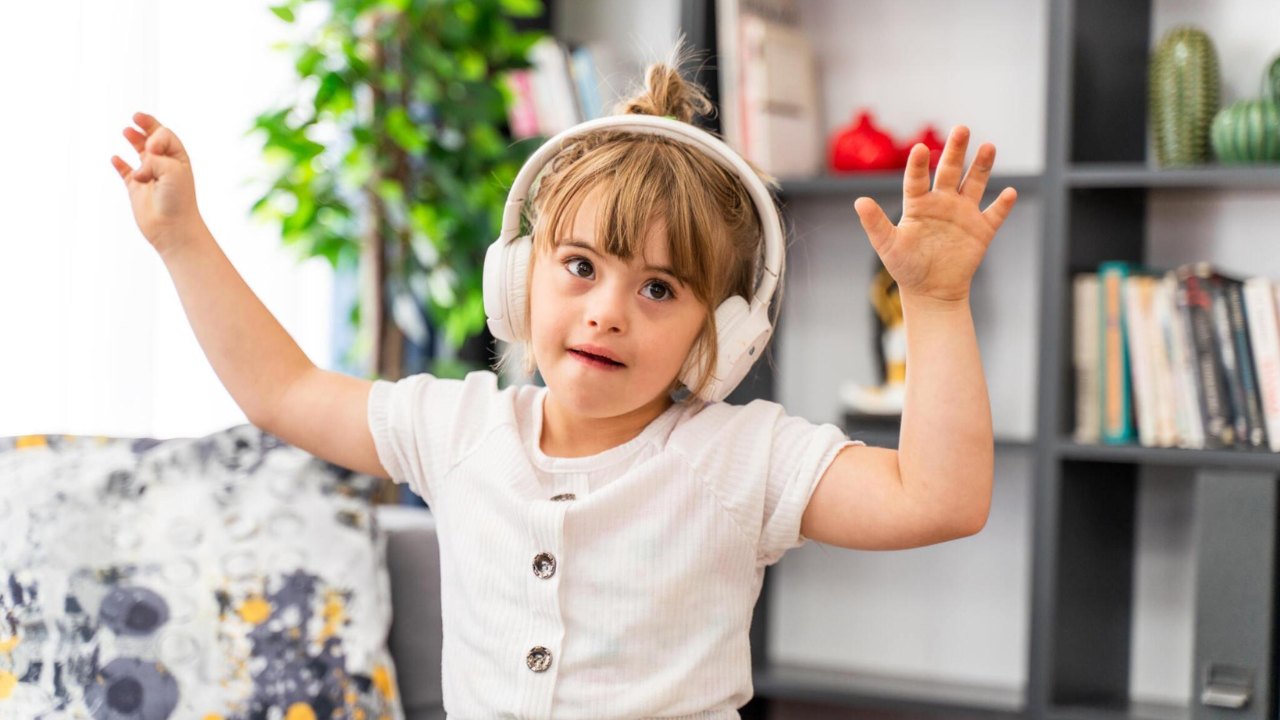
Amid chaotic classrooms and crowded malls, sound sensitivity multiplies distress for autistic children. But safe silence now arrives, empowering focus and easing overwhelm.
Noise-canceling headphones create peaceful sound barriers using fascinating science that neutralizes disruptive frequencies.
We demystify the mechanics behind their magic, then spotlight transformative testimonies from delighted parents and children. With anxiety triggers hushed, previously avoided spaces open through renewed calm and confidence.
Next, see how assessing durability, ease-of-use and safety tailors the perfect auditory cocoon benefitting unique needs.
Our guidance smooths integration across school, social, and travel settings through consistency, educator coordination, and celebrating small wins. Soon, equipped with these sound-taming tools, horizons expand while comfort remains.
Understanding Sensory Sensitivities in Autism
In the journey of parenting a child with autism, understanding their world, particularly their sensory experiences, is crucial.
Sensory sensitivities, especially auditory sensitivities, are common in individuals with autism, presenting a unique set of challenges and affecting their daily lives profoundly.
Some effective sensory activities can enhance the sensory sensitivities.
The Nature of Auditory Sensitivities in Autism
Children with autism often experience the world with heightened sensitivity, where sounds that might seem ordinary to others can be overwhelming or even painful.
This heightened auditory sensitivity can lead to an acute awareness of sounds in the environment, from the refrigerator’s hum to the buzz of fluorescent lights.
These sounds, often unnoticed by neurotypical individuals, can be distracting or distressingly loud to a child with autism, affecting their ability to concentrate and engage in activities.
The Impact of Noise on Concentration
Imagine focusing on a task with a persistent, uncomfortable noise in the background. For children with autism, this scenario is a common reality, where even the ambient noise of a classroom or home can disrupt their focus.
This constant battle to filter out unwanted noise can lead to frustration and exhaustion, making learning and play less enjoyable and more challenging.
Noise-Induced Anxiety
For many autistic children, the unpredictability of loud or sudden noises can induce significant anxiety. Expecting a potentially overwhelming sound can lead to heightened vigilance in otherwise comfortable environments, such as public spaces or social gatherings.
This state of constant alertness to avoid auditory discomfort can contribute to social withdrawal and increased anxiety, impacting the child’s social development and family life.
Overall Well-Being
The cumulative effect of navigating a world filled with challenging sounds can take a toll on a child with autism’s overall well-being. Sleep disturbances, heightened stress levels, and a general sense of unease can become part of daily life, affecting the child and the family’s dynamics.
Many families prioritize a quiet, comfortable environment to provide their children safety and calmness.
The Role of Noise-Canceling Headphones
In this context, noise-canceling headphones emerge as a valuable tool, offering a sanctuary of silence amidst the chaos. They and other tools can be great gifts for adults with autism or kids.
These headphones can significantly reduce background noise, helping autistic children engage more fully in activities, reduce anxiety, and improve their overall well-being.
The stories of parents who have seen their children’s lives transformed by the introduction of noise-canceling headphones are inspiring and a testament to the power of understanding and accommodating sensory sensitivities.
Transformative Power of Noise-Canceling Headphones
The introduction of noise-canceling headphones into the lives of children with autism has been nothing short of transformative for many families.
These devices, once primarily associated with travelers and audiophiles seeking solace from the cacophony of daily life, have become a vital tool for children who find the world’s auditory input overwhelming.
Through personal stories and experiences, we can see these headphones’ profound impact on improving focus, reducing meltdowns, and facilitating social interactions.
A World Transformed by Silence
For Emily, a mother from Toronto, the decision to try noise-canceling headphones for her 8-year-old son, Alex, was born out of desperation. Crowded places like malls and playgrounds were a nightmare, often resulting in meltdowns that left both mother and son exhausted and isolated.
The first time Alex used the headphones, they were at a busy grocery store, a place that typically triggered anxiety and stress for him.
“It was like watching a different child,” Emily recalls. “He was calm, focused on helping me with the shopping list, and even asked questions about different foods. It was a breakthrough.”
Improved Focus and Learning
Sarah, a teacher in a special education classroom in Vancouver, has seen firsthand how noise-canceling headphones can improve focus and learning among autistic students. “One of my students, Lily, struggled to concentrate during lessons, easily distracted by the slightest sounds,” she shares.
“Once we introduced noise-canceling headphones, Lily could complete tasks with increased concentration and accuracy. It’s as if the headphones help her filter the world into manageable pieces.”
Reduction in Meltdowns
Meltdowns are a common challenge for children with autism, often triggered by overwhelming sensory environments. However, there are differences between autism meltdowns and panic attacks.
Noise-canceling headphones have proven to be an effective tool in reducing the frequency and intensity of these episodes.
Mark, a father from Seattle, describes the change in his son, Jake: “Before, a trip to the airport was unthinkable. The loud announcements, the hustle and bustle—it was too much. With his headphones, Jake was able to navigate the airport calmly.
Our family vacation was a success, something we hadn’t dared to dream of before.”
Facilitating Social Interactions
Contrary to the concern that headphones might isolate children from their surroundings, many parents have found that noise-canceling headphones facilitate social interactions.
By controlling the auditory input, children can remain in social settings longer, engaging with peers and family members without becoming overwhelmed.
Ava, a 10-year-old from Atlanta, shares, “I like wearing headphones at family gatherings. I can still talk to my cousins, but the loud music doesn’t bother me as much. I no longer feel like I have to hide in a quiet room.”
A Tool for Empowerment
Noise-canceling headphones have become more than just a way to mitigate the challenges of sensory sensitivities; they have empowered children with autism to explore and engage with the world on their terms.
The stories of Emily, Sarah, Mark, and Ava underscore the headphones’ transformative power, offering a semblance of control in a chaotic and unpredictable world.
How Noise-Canceling Headphones Work
Understanding how noise-canceling headphones work can feel as complex as deciphering the intricacies of a child’s needs.
Yet, as each step towards understanding brings us closer to providing better care for our children, grasping the basics of noise-canceling technology can empower us to make informed choices about the tools we use to support them.
Let’s demystify how these headphones create a haven of tranquility for children with autism, focusing on the technical aspects of noise-canceling technology and the differences between active and passive noise cancellation.
The Science Behind the Silence
At its core, noise-canceling technology is a marvel of audio engineering designed to reduce unwanted ambient sounds.
This technology doesn’t merely block noise but actively cancels it out by creating sound waves that mirror the incoming noise so that the two sounds cancel each other out. It’s akin to having two waves in a pond collide and neutralize each other, resulting in calm waters.
This process is particularly beneficial for children with autism, who may find even low levels of background noise distressing. It allows them to engage with their environment or tasks without the added stress of auditory overload.
Active Noise Cancellation: A Closer Look
Active noise cancellation (ANC) works through a fascinating interplay of microphones, electronic circuitry, and speakers built into the headphones.
The microphones pick up external sounds, and the circuitry generates a sound wave that is the exact negative of this noise. When this “anti-noise” wave is played through the speakers, it effectively cancels out the external sound before it reaches the listener’s ears.
This technology is particularly adept at reducing low-frequency sounds, such as the hum of an air conditioner or the drone of an airplane engine, making it a powerful tool for creating a sense of quietude for the wearer.
Passive Noise Cancellation: The Natural Barrier
In contrast, passive noise cancellation relies on the physical materials of the headphones to block out sound.
This can include the density of the ear cups, the seal they form around the ears, and any additional insulation materials used in the headphone design. While passive noise cancellation doesn’t actively eliminate sound waves, it can be quite effective at reducing higher-frequency noises, such as human speech or the clattering of dishes.
For children sensitive to these sounds, headphones with good passive noise cancellation can significantly reduce stress and distraction.
Combining Forces for Maximum Quiet
Many noise-canceling headphones on the market combine active and passive noise-cancellation technologies to offer the most comprehensive sound reduction.
This dual approach ensures that a wide range of frequencies is covered, from the low rumble of traffic to the sharper tones of a crowded room. It provides an enveloping quiet that can help autistic children focus, relax, and engage more comfortably with the world around them.
Choosing the Right Noise-Canceling Headphones
Selecting the right noise-canceling headphones for a child with autism is akin to choosing the perfect pair of shoes for a marathon runner: comfort, endurance, and performance are paramount.
For parents embarking on this journey, understanding the key features that contribute to the effectiveness and usability of these headphones can make a significant difference in their child’s daily life.
The comfort, battery life, and sound quality are crucial in choosing the ideal noise-canceling headphones.
Comfort: The Foundation of Usability
The comfort of noise-canceling headphones is not just a luxury; it’s a necessity, especially for children with autism who may have heightened sensitivities to physical sensations.
Lightweight materials are essential to prevent the headphones from becoming a burden over extended periods of wear. The design should feel like a gentle embrace around the head, not a constricting grip.
Adjustable headbands and cushioned ear cups significantly enhance comfort. The adjustable headband allows for a custom fit that accommodates each child’s unique head size and shape, ensuring the headphones stay securely in place without exerting undue pressure.
Cushioned ear cups provide a soft buffer between the headphones and the delicate skin around the ears, reducing the risk of discomfort or skin irritation. These features collectively ensure that the child can wear the headphones for extended periods, benefiting fully from the noise-canceling capabilities without distraction or discomfort.
Battery Life: Ensuring Uninterrupted Tranquility
The battery life of noise-canceling headphones is a critical factor for daily use. Long battery life ensures that the headphones can provide uninterrupted tranquility throughout the day, whether during a car ride, at school, or in crowded public spaces.
The inconvenience of frequently recharging or replacing batteries can detract from the headphones’ practicality and reliability.
When comparing wired versus wireless options, each has its advantages. Wired headphones eliminate concerns about battery life but may restrict movement and accessibility. Wireless options offer freedom and flexibility but require regular charging.
For many parents, wireless noise-canceling headphones with long battery life strike the best balance between convenience and reliability.
Sound Quality: Balancing Silence and Safety
While the primary function of noise-canceling headphones is to reduce unwanted ambient noise, maintaining sound quality is also essential. High-quality sound ensures the child can enjoy music, educational content, or therapeutic audio programs without compromise.
Moreover, effective noise cancellation should not isolate the child from the environment entirely; it’s crucial to balance noise cancellation with the ability to hear necessary sounds, such as traffic signals or alarms, for safety reasons.
This balance allows children to remain connected to their surroundings safely, ensuring they are not entirely cut off from critical auditory cues.
Parents should look for headphones that offer adjustable noise cancellation levels. This allows them to tailor the audio environment to their child’s needs and the demands of different settings.
Making the Right Choice
Choosing the right noise-canceling headphones involves carefully considering comfort, battery life, and sound quality.
By prioritizing these features, parents can select headphones that mitigate the challenges of auditory sensitivities and enhance their children’s ability to engage with the world around them.
The right pair of headphones can be a powerful tool, transforming the cacophony of daily life into a harmonious backdrop that supports learning, play, and exploration.
Factors to Consider When Purchasing
When aspiring to find the perfect noise-canceling headphones for a child with autism, parents must navigate a sea of options, each boasting different features and benefits.
Beyond the primary considerations of comfort, battery life, and sound quality, additional factors can significantly influence the suitability of headphones for young users.
Durability, ease of use, and safety features are critical elements that can make or break this tool’s effectiveness in your child’s life.
Durability: Built to Last
Children, by their very nature, can be unintentionally rough with their belongings. This truth necessitates that any headphones considered for a child, especially one with autism who may use them extensively, must be built to withstand a certain level of wear and tear.
Durability in headphones translates to robust construction materials, flexible headbands that can endure bending and twisting, and ear cups that resist damage from drops or spills.
Opting for models specifically designed for children often provides the peace of mind that these headphones will be a lasting companion in your child’s journey.
Ease of Use: Empowering Independence
For headphones to be genuinely beneficial, they must be something a child can operate independently. This autonomy can boost the child’s confidence and willingness to use them. Look for headphones with intuitive controls that are easy for small hands to adjust.
Simple features such as one-touch operation for turning noise cancellation on and off or easily accessible volume controls can make all the difference in how readily a child can adapt to using their headphones in various settings.
The goal is to empower your child to control their auditory environment without constant adult intervention.
Safety Features: Protecting Delicate Ears
Perhaps most crucially, the safety features of noise-canceling headphones warrant careful consideration.
Chief among these is the inclusion of volume limits to ensure that audio levels cannot reach a point that might harm a child’s sensitive hearing. Many headphones designed for children come with built-in volume limiting, ensuring sound remains safe, typically not exceeding 85 decibels.
Additionally, wireless headphones eliminate the risk of entanglement in cords, further enhancing safety for younger users.
Making an Informed Decision
In the narrative of selecting the right noise-canceling headphones, these factors of durability, ease of use, and safety features are the supporting characters that can significantly influence the story’s outcome.
They are the unsung heroes who can ensure the headphones reduce unwanted noise and seamlessly fit into your child’s daily life, providing a reliable, safe, and user-friendly tool in their sensory toolkit.
Integrating Noise-Canceling Headphones into Daily Life
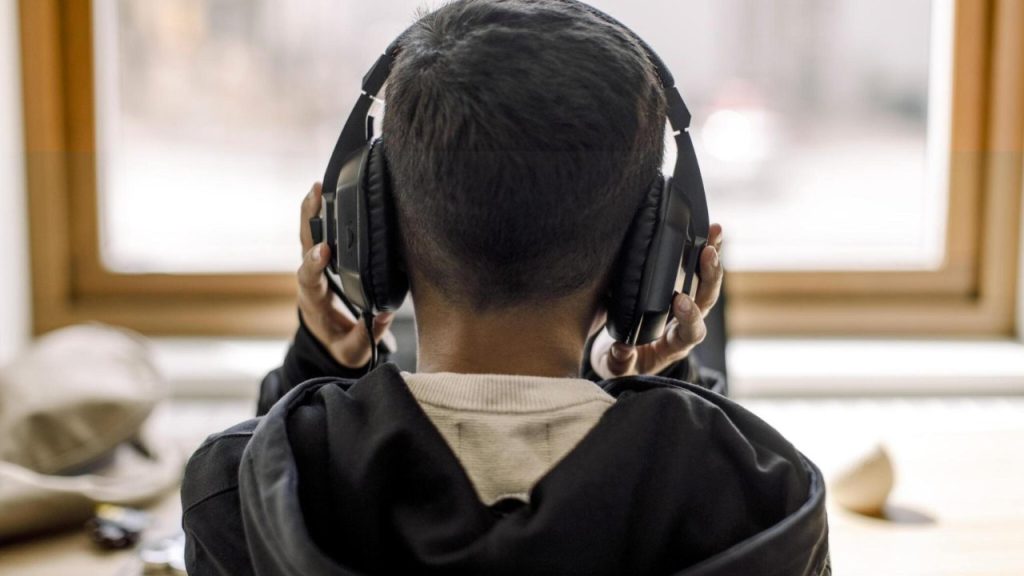
Integrating noise-canceling headphones into the daily life of a child with autism can be a game-changer, offering them a sanctuary of calm in a world that often feels overwhelmingly loud.
However, introducing new tools and routines to children with autism requires thoughtful planning and patience.
Here are some strategies and tips for seamlessly incorporating noise-canceling headphones into various aspects of your child’s life, ensuring they can make the most of this transformative tool.
Introducing Headphones to Autistic Children
Start by familiarizing your child with the headphones in a comfortable, quiet environment where they feel safe. Allow them to explore the headphones, turning them on and off and adjusting them to understand how they work.
Consider using a favorite audio story or piece of music to create a positive association with their use. Gradual introduction is critical; initially, let your child wear them for short periods, gradually increasing the time as they become more comfortable.
Incorporating Headphones into School
Before integrating noise-canceling headphones into your child’s school day, communicate with their teachers and support staff about their purpose and benefits.
Provide clear instructions on how and when your child should use them, such as during noisy recess times or specific classroom activities that might be overwhelming.
Some children may benefit from a visual schedule or cues to remind them when to use their headphones. Ensuring educators are supportive and understand the headphones’ role can make this integration smoother for everyone involved.
Using Headphones in Social Settings
Social gatherings and public spaces can be challenging for children with autism due to unpredictable noise levels. Noise-canceling headphones can help manage these situations, but it is essential to prepare your child for using them outside the home.
Discuss upcoming events and how the headphones can help them enjoy the experience more comfortably. Encourage them to identify signs of sensory overload and understand that using their headphones is a positive coping strategy. This empowerment can make social interactions more manageable and enjoyable.
Traveling with Noise-Canceling Headphones
Travel, whether by car, plane, or public transport, introduces a range of unfamiliar sounds that can be distressing. Introduce the concept of using headphones during travel as a unique “travel tool” that helps make the journey more comfortable.
Practice using them during short local trips before embarking on longer journeys. Packing a dedicated “headphone kit” with spare batteries, a charger, and perhaps a comforting sensory item can also help make travel experiences more positive.
Building a Routine
Consistency and routine are comforting for children with autism. Incorporating noise-canceling headphones into your child’s daily routine can help them understand when and how to use this tool to manage sensory input.
Predictable patterns ensure your child knows they can control their sensory environment, whether during homework time, running errands, or preparing for family events.
Celebrating Success
Acknowledge and celebrate when your child uses headphones to manage sensory challenges. Positive reinforcement can reinforce the headphones’ value as a helpful tool, encouraging continued use.
Final Words
Noise-canceling headphones offer invaluable sound sanctuaries, but their power actualizes through compassionate support strategies tailored to each child’s journey. Monitor comfort levels while celebrating capability-building wins.
Consult educators, ensuring classroom integration aids learning. Public spaces transform into surmountable terrain through open communication and acknowledging sensory overload cues before escalation. Soon, headphones’ phenomenal impact compounds, restoring confidence and conquering noisy environments once avoided.
Equipping children with these sound-taming tools paves brighter paths where they can thrive being themselves.