 By Walker Evans
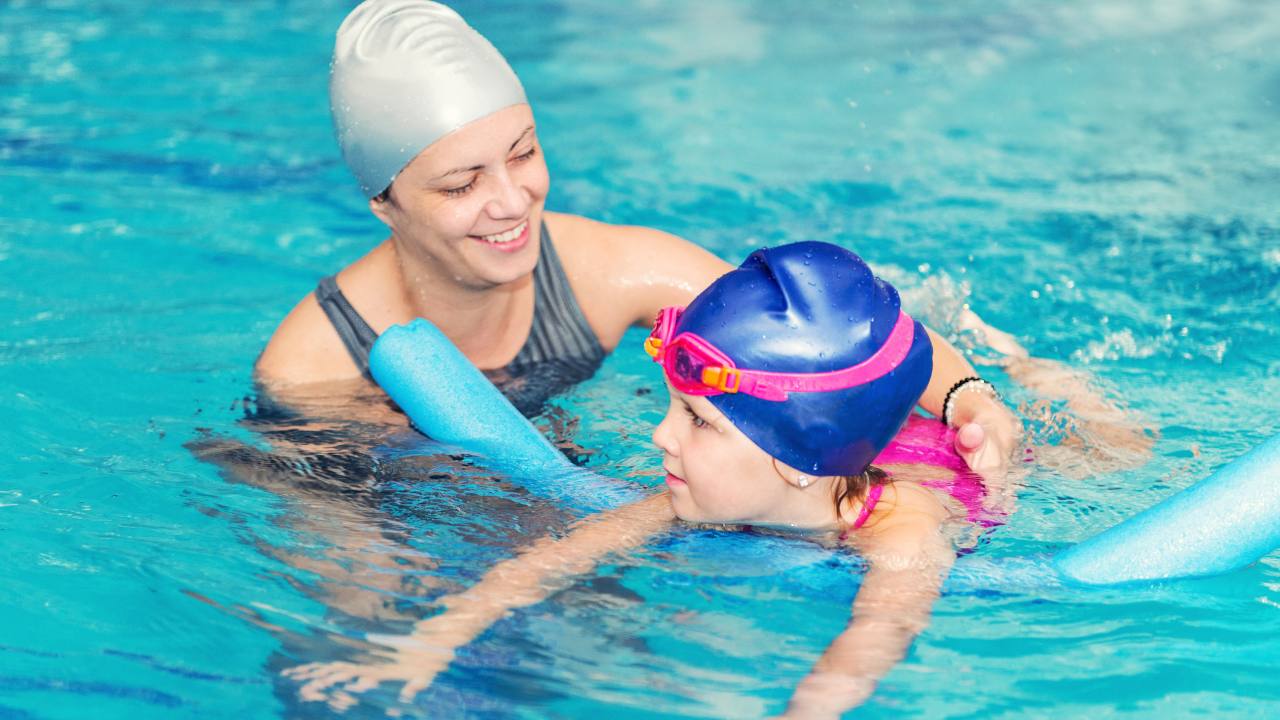
Watching your child with autism navigate the world can be a rollercoaster of emotions filled with challenges and triumphs. If you’re seeking a way to boost your child’s confidence, improve their physical and emotional well-being, and simply have fun together, autism swimming classes might be the answer.
Beyond just a fun activity, swimming offers a unique therapeutic environment tailored to the needs of neurodivergent children. It’s a place where they can feel safe, explore their senses, and develop crucial skills.
In this article, we’ll focus on seven proven benefits of autism swimming classes, backed by successful strategies from experts and parents alike. We’ll explore how swimming can enhance your child’s life, both in and out of the water, and provide guidance on finding the right program for your family.
How Swimming Lessons Help Children With Autism
Swimming lessons can be particularly beneficial for children with Autism Spectrum Disorder (ASD) for a variety of physical, cognitive, and emotional reasons. Here’s how structured swimming activities can support children with autism:
Enhances Physical Health
Swimming is a comprehensive exercise that improves cardiovascular health, increases muscle strength, enhances coordination, and develops motor skills. For children with autism, who might struggle with physical activities that require team cooperation or complex motor patterns, swimming offers a manageable and enjoyable form of physical exercise.
Improves Safety
Drowning is a leading cause of death in children with autism due to tendencies like wandering and the attraction to bodies of water. Teaching children with autism how to swim can be a critical safety measure, giving them the skills to survive in water if they find themselves in a dangerous situation.
Sensory Benefits
Many children with autism are either hypersensitive or hyposensitive to sensory input. Swimming provides a unique sensory experience encompassing proprioceptive, visual, tactile, and auditory feedback. Water pressure can be soothing for those hyperresponsive to sensory stimuli and stimulating for those underresponsive.
Encourages Social Skills
While swimming can be a solitary activity, swimming lessons often involve groups. This setting encourages children with autism to engage with their instructors and peers in a structured environment. Following group instructions can also enhance listening skills and the ability to follow social cues.
Promotes Emotional Well-being
Swimming is known for reducing anxiety and improving mood. The calming effect of water and the endorphins produced by physical exercise can help reduce stress and promote a sense of well-being in autistic children. This can be particularly beneficial for those who experience frequent emotional dysregulation.
Boosts Confidence and Independence
Learning to swim can significantly boost a child’s confidence and sense of accomplishment. For children with autism, mastering new skills and navigating the water independently can enhance self-esteem and encourage a more active and independent lifestyle.
Routine and Structure
Swimming lessons provide a predictable and structured activity that can comfort children with autism. The routine of regular swimming sessions can help create a sense of stability and predictability, which is often essential for children on the spectrum.
Implementation and Considerations
When enrolling a child with autism in swimming lessons, it’s important to consider a few key factors:
- Find an Experienced Instructor: Look for instructors who have experience teaching children with special needs or specific training in working with children with autism.
- Individual vs. Group Lessons: Depending on the child’s comfort with groups and their level of swimming skills, private lessons might be a better starting point before transitioning to group settings.
- Consistent Scheduling: Keeping the swimming lessons on a consistent day and time can help children with autism manage anxiety and adjust to the routine.
Successful Strategies For Teaching Swimming To Children With Autism
Teaching swimming to children with autism requires thoughtful approaches tailored to their unique needs, preferences, and sensory sensitivities. Here are some successful strategies that can make swimming lessons more effective and enjoyable for children with Autism Spectrum Disorder (ASD):
Use Visual Supports
Many children with autism respond well to visual cues and instructions. Visual schedules, pictograms, or flashcards that outline the steps of the swimming process can help them understand and anticipate what comes next. This can reduce anxiety and make transitions smoother during the lesson.
Incorporate Structured Routines
Consistency and structure are often crucial to helping children with autism learn effectively. Consistent structure in each swimming lesson—from the warm-up routine to the sequence of activities—can help the child feel more secure and open to learning.
Adapt Teaching Methods
Children with autism may have different learning styles. Some might benefit from a more hands-on approach, while others prefer to watch demonstrations several times before trying them themselves. Instructors must be flexible and adapt their teaching methods to suit each child’s needs.
Maintain a Calm and Predictable Environment
Swimming pools can be noisy and chaotic, overwhelming for children with sensory sensitivities. Try to schedule lessons during quieter times, use less crowded pools, or consider private facilities if possible. Minimizing environmental stressors can help the child focus on learning how to swim.
Use Positive Reinforcement
Positive reinforcement can be very effective in motivating children with autism. Praise specific actions, provide tangible rewards (like stickers or a small toy), or allow time for a favorite activity after the lesson. Knowing that a reward is waiting can be a powerful incentive for participation.
Break Skills Down Into Small, Manageable Steps
Swimming involves many complex movements that can be challenging to master. Breaking these down into smaller, more manageable steps can help children with autism build skills gradually. For instance, first practice blowing bubbles in the water, then move on to kicking while holding the side of the pool, and so on.
Engage in Sensory Integration Activities
Incorporate activities that address the child’s sensory integration needs. Activities like jumping into the water or swimming underwater can benefit children who are sensory seekers. Gradual exposure to water on different body parts can help desensitize sensory-sensitive people to water sensations.
Ensure Safety and Build Trust
Safety is paramount. Ensure the child always feels secure using appropriate safety gear, such as life jackets or flotation devices. Building a trusting relationship between the instructor and the child is crucial, as trust can significantly enhance the child’s comfort and willingness to participate.
Collaborate with Parents
Work closely with the child’s parents or caregivers to understand the child’s specific challenges, preferences, and triggers. Parents can provide insights vital for customizing the approach to swim lessons and help reinforce learning outside of the lessons.
Key Sensory Benefits Of Swimming For Children With Autism
Swimming offers several sensory benefits that can be particularly advantageous for children with Autism Spectrum Disorder (ASD).
These benefits address various sensory challenges commonly faced by children with autism, helping them manage sensitivities, enhance sensory integration, and improve overall well-being. Here are some of the critical sensory benefits:
Proprioceptive Feedback
Swimming involves various movements that require pushing against the water, which provides excellent proprioceptive feedback. Proprioception refers to the sense of body position and movement. This type of sensory input is crucial for children with autism, as it helps them understand where their bodies are in space, improving body awareness and coordination.
Vestibular Stimulation
The vestibular system, which involves balance and movement, is stimulated during swimming. Floating, turning, and balancing in the water engage and develop the vestibular system. For children with autism, who may have difficulties with balance and motor skills, the gentle, controlled vestibular input provided by swimming can enhance their sense of equilibrium and motion.
Tactile Sensations
Water inherently provides uniform pressure across the body, which can be soothing for tactile-sensitive children. This consistent pressure is similar to the effect of a weighted blanket, known for its calming influence. Swimming can reduce tactile defensiveness as the water gently desensitizes the body to touch and helps children with autism tolerate different textures and sensations in their environment.
Visual and Auditory Processing
The visual and auditory experiences in swimming can also be therapeutic. The sight of water can be visually calming, while the sounds of water can provide a consistent and soothing auditory input. For children with autism, who may be hypersensitive or hyposensitive to auditory inputs, the muffled sounds underwater can help modulate sensory perception less overwhelmingly.
Temperature Regulation
The experience of being in water can help with sensory regulation related to temperature. The coolness of the water can be refreshing and help manage issues with overheating, a common discomfort for some children with autism. This temperature regulation can have a calming effect, reducing irritability and discomfort.
Reduction in Overstimulation
The buoyancy offered by water can significantly reduce the gravitational pull on the body, allowing for more accessible movements and a sense of relaxation. This environment can help decrease overall sensory overstimulation, which is often a challenge for children with autism. The water is a natural barrier to external stimuli, helping focus inward and on the body.
Soothing and Calming Effects
Overall, the sensory experience of being in water is inherently soothing. The enveloping nature of water can help calm the nervous system, reduce anxiety, and promote relaxation. For many children with autism, this can lead to better focus, reduced behavioral outbursts, and improved sleep patterns.
Swimming Lessons For Social Interaction For Children With Autism
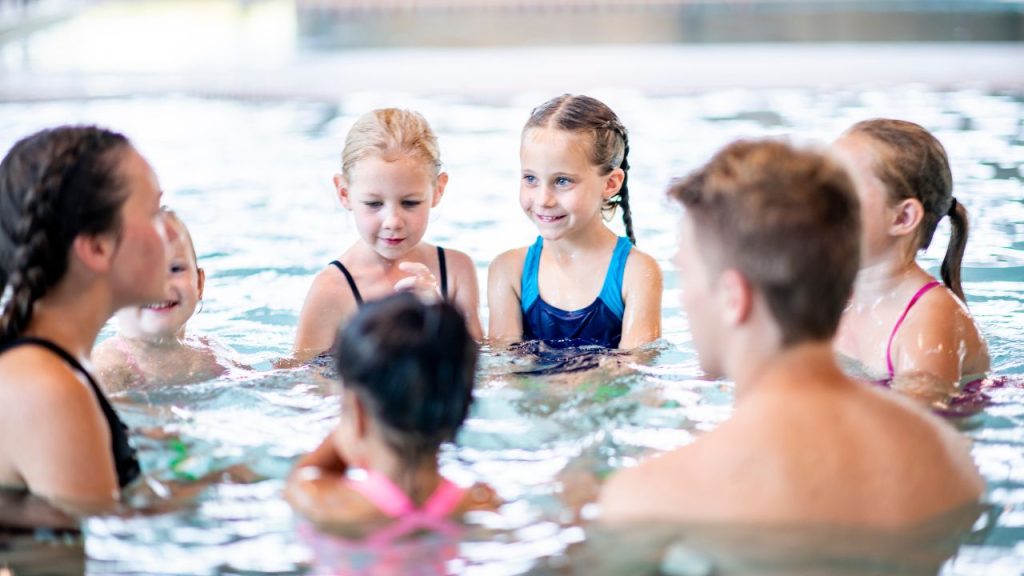
Swimming lessons can enhance social interaction skills in children with Autism Spectrum Disorder (ASD). These benefits stem from the structured yet flexible environment that swimming lessons provide, which can help ease some of the social challenges faced by children with autism. Here’s how swimming lessons can help improve social interactions:
Structured Social Setting
Swimming lessons offer a structured setting with clear rules and expectations for social interactions. This structure can make social situations more predictable for children with autism, who often find comfort and security in predictable environments. The structured interactions required in swimming lessons, such as taking turns, following group instructions, and participating in group activities, provide safe and controlled opportunities for social practice.
Group Participation
Participating in group lessons with peers can encourage socialization in a non-threatening environment. Children learn to observe their peers and imitate social behaviors, such as cheering for each other, offering help, or simply acknowledging another child’s presence. This group dynamic can foster the participants’ sense of belonging and community.
Communication Skills
Swimming lessons often require verbal and non-verbal communication, such as listening to instructions from the swimming instructor, using gestures to communicate in the water, or expressing comfort or discomfort. These interactions can help children with autism improve their ability to communicate with others, which is a critical aspect of social interaction.
Cooperation and Teamwork
Many swimming activities require cooperation and teamwork, such as relay races or synchronized swimming routines. These activities teach children how to work together, understand different roles, share space and equipment, and support each other’s efforts. For children with autism, learning these skills in a fun and engaging environment can make the lessons more appealing and effective.
Shared Interests
Swimming lessons can connect children through a shared interest in water activities. This common interest can be a foundation for building friendships and interactions. Children with autism may find it easier to relate to and interact with peers who have similar interests, reducing feelings of isolation.
Emotional Regulation
The calming effects of water can help children with autism manage their emotions more effectively. Improved emotional regulation can lead to better social interactions, as children will likely feel less anxious and more open to engaging with instructors and peers.
Positive Reinforcement
Swimming instructors who have experience working with children with special needs often use positive reinforcement techniques, which can significantly boost a child’s confidence. Positive interactions in the swimming pool can reinforce social behavior, encouraging children to engage more during lessons and in other social settings.
Parents Support For Child’s Swimming Progress At Home
Supporting a child’s swimming progress at home enhances the skills learned during formal lessons and can significantly boost their confidence and comfort in the water. For parents, especially those of children with Autism Spectrum Disorder (ASD), this support is crucial and can be facilitated through various engaging and safe activities. Here are some effective ways parents can support their child’s swimming progress at home:
Create a Positive Association with Water
- Bath Time Fun: Use bath time to make water a positive and enjoyable experience. Introduce fun activities like playing with water toys, blowing bubbles, and gently pouring water over different body parts to mimic gentle swimming pool activities.
- Watch Swimming Videos: Show videos of swimming techniques or fun water games to spark interest and visually reinforce what they learn during lessons.
Practice Water Safety Skills
- Teach Water Rules: Discuss and reinforce water safety rules at home, such as never going near water without an adult, walking instead of running near pools, and wearing flotation devices when needed.
- Role-play Scenarios: Use role-playing games to practice what to do in various water situations, such as what to do if they feel tired.
Enhance Swimming Skills Away from the Pool
- Dry Land Swimming: Practice swimming movements on dry land. For example, have your child lie on their belly and practice arm strokes and leg kicks to build muscle memory.
- Breathing Exercises: Teach breathing techniques used in swimming by practicing blowing bubbles into a bowl of water or through a straw to control breath.
Build Endurance and Strength
- Physical Exercises: Engage in activities that build endurance and muscle strength, such as jumping jacks, running, or yoga, which can improve swimming stamina and ability.
- Encourage Regular Physical Activity: Consistent physical activity is crucial for building the strength and endurance needed for swimming.
Visual and Verbal Reinforcement
- Use Visual Schedules: Visual schedules that outline the steps involved in swimming can help children with ASD understand and anticipate the process, reducing anxiety.
- Verbal Encouragement: Frequently reinforce progress with positive affirmations and celebrate successes to boost confidence.
Consistent Practice Schedule
- Regular Water Play: If possible, schedule regular visits to a local pool or use a home pool to practice skills in a real water environment. Consistency is critical to building and maintaining skills.
Collaborate with Swimming Instructors
- Stay Informed: Regularly communicate with your child’s swimming instructor to stay updated on their progress and any areas that need improvement. This can help you focus on specific skills at home.
- Seek Advice: Ask the instructor for specific exercises or activities that can be done at home to support what is being taught in lessons.
Final Words
Swimming isn’t just about fun in the water; it’s a path toward empowerment, confidence, and a brighter future for your child. The proven benefits of autism swimming classes, backed by successful strategies, offer a unique opportunity to support their development and well-being.
If you’re ready to take the plunge, remember the journey begins with finding the right program tailored to your child’s needs and preferences. Explore options in your area, connect with experienced instructors, and watch as your child flourishes in the water and beyond.
Take advantage of the transformative power of swimming. Dive into our full article to unlock the full potential of autism swimming classes for your child’s growth and happiness.