
 By Walker Evans

Parenting a child with autism is a journey filled with love, challenges, and unique rewards. It demands patience, understanding, and an endless reservoir of energy. Amidst the daily routines, appointments, and educational needs, it’s easy for parents to put their own well-being on the back burner.
However, neglecting self-care can lead to burnout, affecting your ability to be the supportive parent your child needs. This blog explores practical self-care strategies tailored for parents of autistic children.
From finding moments for mindfulness to building a supportive community, we’ll guide you through simple yet effective ways to care for yourself. Embracing self-care isn’t just about personal well-being; it’s about strengthening your capacity to be there for your child fully and compassionately.
Let’s embark on this journey together, discovering how self-care can become a natural part of your daily life, enhancing your family’s happiness and resilience.
Understanding Stress in Parents of Autistic Children
Parenting a child with autism brings its own set of challenges and rewards. The journey is filled with unique stressors that can affect every aspect of a parent’s life. Recognizing these stressors and their impact is the first step toward managing them effectively.
Unique Stressors
One of the main stressors is the uncertainty surrounding the child’s future. Questions about independence, education, and social integration can be overwhelming.
Additionally, navigating the healthcare and educational systems to secure the necessary support for the child often becomes a full-time job in itself.
Communication barriers present another significant stressor. For parents, not being able to understand or respond to their child’s needs can be frustrating and heart-wrenching, leading to feelings of inadequacy and guilt.
Social isolation is also common. The demands of caring for an autistic child can make it difficult to maintain friendships or participate in social activities. This isolation can lead to a sense of loneliness and depression.
Financial strain is another critical issue. The cost of therapies, educational support, and sometimes specialized care can be substantial. This financial burden can add to parents’ stress levels, affecting their mental and emotional well-being.
Impact on Health
The stressors associated with parenting an autistic child can have profound effects on mental, emotional, and physical health.
Mentally, parents may experience increased levels of anxiety and depression. The constant worry and the pressure to make the right decisions for their child can be mentally exhausting.
Emotionally, parents might feel isolated and misunderstood. The intense focus on their child’s needs can lead to neglect of their own emotional needs, resulting in feelings of sadness or anger.
Physically, the stress can manifest in various ways. Sleep disturbances are common due to the child’s sleep issues or the parent’s anxieties. Chronic stress can also lead to physical symptoms like headaches, digestive problems, and a weakened immune system, making parents more susceptible to illnesses.
Navigating Through Stress
Understanding these stressors and their impacts is crucial. Parents should acknowledge their feelings and seek support when needed. Connecting with other parents who are in similar situations can provide a sense of community and understanding.
Professional help, such as counseling or therapy, can also be beneficial in managing stress and maintaining overall well-being.
The Importance of Self-Care
Self-care is not just a luxury; it’s a necessity, especially for parents of autistic children. It’s easy to get lost in the daily routines and challenges, putting your needs last. However, neglecting self-care can significantly impact your ability to care for your child effectively.
Why Self-Care Matters
Firstly, self-care is crucial for maintaining your mental and emotional health. Dealing with the unique challenges of raising an autistic child can be draining.
Without taking time to recharge, you might find yourself feeling increasingly stressed, anxious, or depressed. These feelings can affect you and impact your interactions with your child and family.
Secondly, self-care enhances your physical health. Regular exercise, adequate sleep, and proper nutrition are all aspects of self-care that keep your body strong and resilient. A healthy body is better equipped to handle the physical demands of caregiving, from managing daily tasks to handling emergencies.
Moreover, self-care sets a positive example for your child. By prioritizing your well-being, you teach your child the importance of self-respect and self-care. This lesson is invaluable, especially for autistic children, who may need to learn these skills explicitly.
Addressing Guilt and Misconceptions
Many parents feel guilty for taking time for themselves, believing it’s selfish or that they’re neglecting their child’s needs. This guilt is compounded by societal pressures and the misconception that good parents should sacrifice everything for their children.
However, this belief needs to be more sustainable and also healthier.
Self-care is not about choosing between your needs and your child’s. It’s about understanding that caring for yourself is part of caring for your child. You can provide your child’s love, patience, and support when you’re well-rested, emotionally balanced, and physically healthy.
Another common misconception is that self-care requires large chunks of time or money. Self-care can be as simple as taking a few minutes to breathe deeply, enjoying a cup of tea in silence, or reading a few pages of a book. It’s about finding small ways to replenish your energy and maintain your well-being.
Self-Care Strategies
Self-care is a multifaceted approach to well-being that encompasses physical, mental, and emotional health. For parents of autistic children, integrating self-care into daily life is essential. Here are practical strategies across various aspects of self-care:
Routine Physical Activity
Incorporating physical activity into your daily routine doesn’t require long hours at the gym. A brisk walk, a short yoga session at home, or even dancing to your favorite music can boost your mood and energy levels. Exercise releases endorphins, which have stress-relieving properties, and improves overall health by reducing the risk of chronic diseases.
Mindfulness and Meditation
Mindfulness and meditation can significantly reduce stress levels and improve emotional well-being. Start by spending a few minutes daily focusing on your breath or practicing gratitude. Apps like Headspace or Calm offer guided meditations for beginners, making incorporating mindfulness into your busy schedule easier.
Healthy Eating Habits
The food you eat directly affects your mood and energy levels. A diet rich in fruits, vegetables, whole grains, and lean proteins can stabilize your mood and give you the energy you need to tackle your day. Planning meals in advance and preparing snacks can help reduce the stress of last-minute decisions and ensure you’re nourishing your body properly.
Quality Sleep
Good sleep is crucial for managing stress and maintaining overall health. Create a calming bedtime routine to signal your body that it’s time to wind down. This might include reading, taking a warm bath, or practicing relaxation exercises. Try to keep electronics out of the bedroom and stick to a consistent sleep schedule, even on weekends.
Building a Support Network
Connecting with other parents who understand your experiences can be incredibly validating and helpful. Look for local or online support groups for parents of autistic children. These communities can offer practical advice, emotional support, and a sense of belonging. Sometimes, just knowing you’re not alone can make a significant difference.
Seeking Professional Help
There’s no shame in seeking help from mental health professionals when you’re feeling overwhelmed. Therapists can provide coping strategies, stress management techniques, and support through counseling. If you need help figuring out where to start, your family doctor can recommend resources and professionals who specialize in supporting parents of children with special needs.
Incorporating Self-Care into Daily Life
Making self-care a regular part of your daily routine is essential, especially for parents of autistic children. It can seem daunting at first, but it becomes much easier with small, manageable steps. Here’s how to weave self-care into the fabric of your everyday life and set realistic and rewarding goals.
Start Small
Begin with small self-care actions that easily fit into your schedule. For example, you could do five minutes of deep breathing in the morning or a short walk after dinner. The key is consistency rather than duration. Over time, these moments will add up and become a natural part of your day.
Schedule It
Treat self-care like any important appointment. Block out time in your calendar for activities that recharge you, whether exercising, reading, or simply sitting quietly. Seeing it scheduled can help you commit to making it happen.
Set Realistic Goals
When setting self-care goals, be realistic about what you can achieve, given your current responsibilities. If an hour of exercise every day is unfeasible, aim for 15 minutes. Adjust your goals as you go, and celebrate the small victories. Achieving these smaller goals can boost your confidence and motivate you to maintain your self-care routine.
Overcome Barriers
Identify what typically stops you from prioritizing self-care and consider ways to navigate these obstacles. If time is a concern, look for activities that can be integrated into your existing schedule, like meditating while waiting for an appointment. If motivation is the issue, find a self-care buddy to keep you accountable.
Make It Enjoyable
Choose self-care activities that you genuinely enjoy. If you dread running, don’t force yourself to do it because it’s considered good exercise. Find something that brings you joy, whether that’s dancing, gardening, or crafting. Enjoyment is key to making self-care a lasting part of your life.
Be Flexible
Some days will be busier than others, and that’s okay. If you miss a day of exercise or meditation, don’t be hard on yourself. Self-care is about overall balance, not perfection. Be flexible and willing to adjust your plans as needed.
Reflect and Adjust
Regularly reflect on your self-care routine. What’s working? What isn’t? As your life changes, your self-care needs might change, too. Be open to adjusting your routine to fit your current circumstances and needs.
Leveraging Modern Innovations and Technologies in Resilience Building
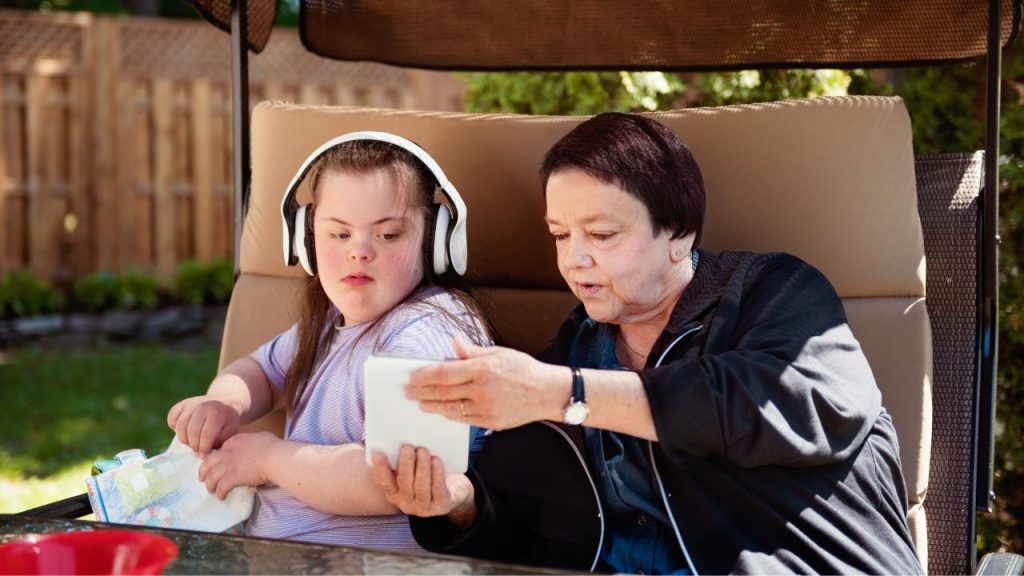
Resilience is key in parenting a child with autism. It’s about finding strength and creating a supportive environment that fosters growth and understanding for both the child and the parent.
Modern innovations and technologies offer a wealth of resources that can aid in building this resilience. Here’s how parents can harness these tools to support their journey and enhance their coping strategies.
Educational Apps and Tools
Technology has revolutionized learning for children with autism. Educational apps designed specifically for autistic learners can be crucial in developing communication and social skills. These apps often use interactive and engaging methods to teach concepts children might find challenging in traditional settings.
By integrating these tools into daily learning routines, parents can provide their children with personalized learning experiences that cater to their unique needs, reducing stress and enhancing their ability to engage with the world around them.
Communication Aids
Communication can be a significant challenge for children with autism. Thankfully, technology offers solutions here as well. Speech-generating devices and apps can give a voice to those who are non-verbal or have limited speech abilities.
These tools empower children to express their needs and thoughts and alleviate a significant amount of stress and frustration for both the child and the parents, fostering a more harmonious home environment.
Online Support Networks
The internet has made it easier than ever for parents of autistic children to find support and community. Online forums, social media groups, and virtual support networks connect parents with others who understand their experiences.
These platforms offer a space to share resources, advice, and encouragement, reducing feelings of isolation. Engaging with these communities can bolster parents’ emotional resilience, giving them the strength to face challenges and celebrate successes.
Wearable Technology
Wearable technology, such as GPS trackers and sensory devices, can offer parents peace of mind. GPS trackers designed for children with autism can alert parents if their child wanders off, a common concern.
Sensory wearables can help manage sensory processing issues, reducing anxiety and meltdowns by providing calming stimuli. These technologies enable parents to create a safer, more supportive environment for their children, reducing stress and increasing resilience.
Virtual and Augmented Reality
Virtual and augmented reality (VR and AR) technologies are emerging as powerful therapy and social skills training tools. VR environments can simulate real-life situations in a controlled manner, allowing autistic children to practice social interactions, recognize emotions, and develop coping strategies for stressful situations.
For parents, these technologies offer hope and a way to actively engage in their child’s development and therapy actively, reinforcing their resilience through active participation and empowerment.
Mindfulness and Stress Management Apps
Maintaining parents’ mental and emotional well-being is crucial. Mindfulness and stress management apps can play a significant role in self-care routines.
These apps offer guided meditations, breathing exercises, and relaxation techniques that parents can use to manage stress, recharge, and maintain resilience. Regular use of these tools can help parents stay grounded and focused, enabling them to provide the best possible support for their children.




