
 By Walker Evans
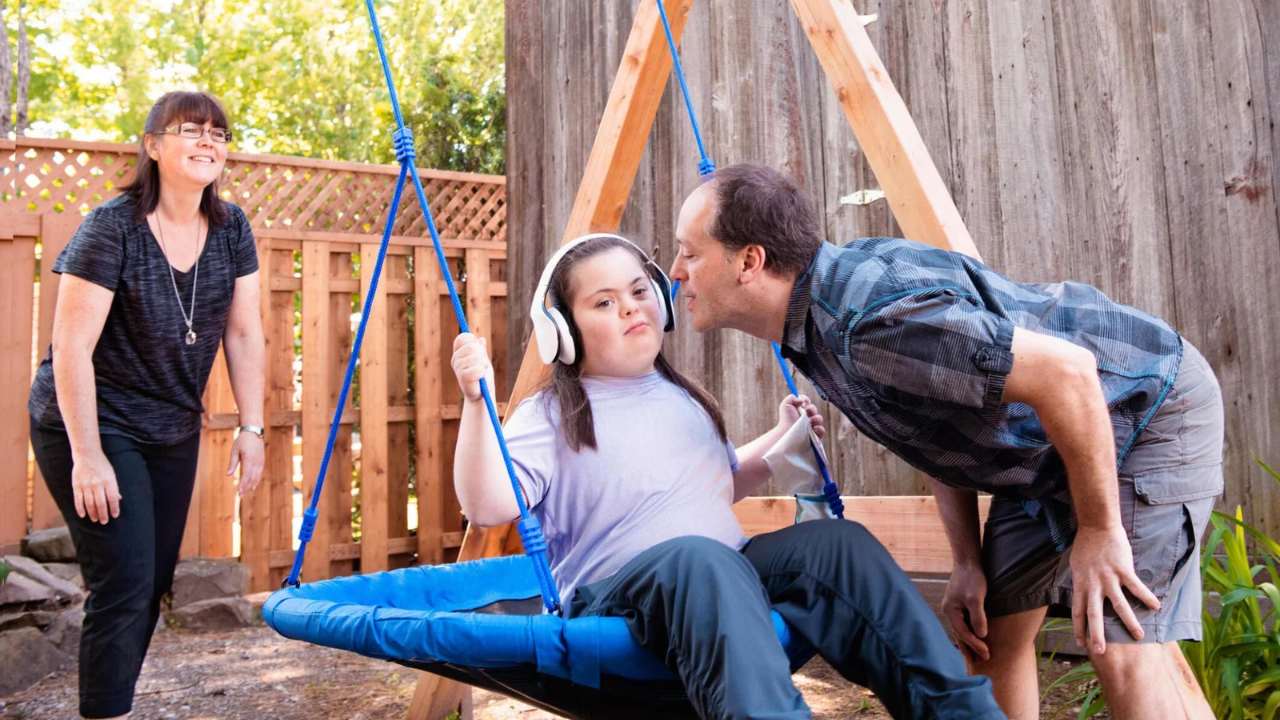
Introducing a sensory swing into your autistic child’s daily routine can be a game-changer, offering more than moments of joy. These swings are powerful tools for sensory integration, providing essential support for children facing balance, focus, and sensory processing challenges.
For parents navigating the complexities of autism, finding effective ways to enhance their child’s well-being is paramount. This blog post delves into the practicalities of incorporating sensory swings into daily activities, from creating calming morning routines to ensuring a smoother transition to bedtime.
We’ll explore selecting the right swing, integrating it into your child’s schedule, and maximizing its therapeutic benefits whether you’re new to sensory swings or looking to optimize their use.
This blog aims to empower you with knowledge and inspire you with real-life success stories, making sensory swings a valuable addition to your child’s sensory diet and daily routine.
Understanding Sensory Needs in Autism
Understanding the sensory needs of children with autism is pivotal in creating a nurturing environment that supports their growth and well-being.
Many children on the autism spectrum experience sensory processing issues, meaning they may be overly sensitive to sensory stimuli like sounds, lights, or textures or, conversely, may seek out more intense sensory experiences to satisfy their needs.
This unique sensory processing can affect every aspect of their daily life, from what they wear to how they learn and interact with the world around them.
Sensory Swing for Autism Children
Sensory swings offer a therapeutic solution to these sensory processing challenges. Designed to provide vestibular input—a type of sensory input that is crucial for balance and spatial orientation—sensory swings can help children with autism feel more centered and connected to their environment.
The gentle, rhythmic swinging motion is inherently soothing for many, providing security and comfort. For children who seek sensory stimulation, the dynamic movement of a swing can fulfill their need for sensory input in a controlled, safe manner.
Moreover, sensory swings are versatile tools that can be adapted to each child’s specific sensory preferences. Whether it’s a snug pod swing that offers a hugging sensation or a platform swing that allows for a range of movements, there’s a type of sensory swing to meet the diverse needs of autistic children.
By incorporating sensory swings into their daily routine, parents can provide their children with a valuable outlet for sensory exploration and regulation, paving the way for more focused learning, improved social interactions, and reduced meltdowns.
Choosing the Right Sensory Swing
Selecting the right sensory swing for your autistic child involves understanding their unique sensory needs and preferences. Sensory swings come in various sizes and types and can be installed indoors or outdoors, offering a range of sensory experiences. Here are some tips to help you choose the most suitable sensory swing for your child:
Assess Your Child’s Sensory Preferences
Start by observing your child’s sensory preferences. Do they seek gentle rocking motions or prefer more vigorous swinging? Are they comforted by being enclosed in a snug space, or do they enjoy more open swings?
Understanding these preferences is key to selecting a swing your child will enjoy and benefit from.
Consider the Swing Type
There are several types of sensory swings, each offering different sensory experiences:
- Pod swings provide a cocoon-like environment for children comfortable in tight spaces.
- Platform swings allow for various movements and benefit children needing more proprioceptive input.
- Hammock swings offer gentle support and can be soothing for children who enjoy soft textures.
- Tire swings provide a more dynamic swinging experience, suitable for children who seek intense sensory input.
Size and Weight Capacity
Ensure the swing is appropriate for your child’s size and weight. Selecting a swing that can comfortably support your child and provide a safe and secure sensory experience is essential.
Indoor vs. Outdoor Installation
Decide where you plan to install the swing. If space allows, indoor swings can be used year-round, regardless of weather conditions.
Outdoor swings offer fresh air and natural light but require a safe, sturdy structure for installation. Consider your living space and lifestyle when making this decision.
Safety and Durability
Safety is paramount. Look for swings made from durable materials with safety features, such as secure fastenings and soft, impact-absorbing surfaces.
Ensure the swing is installed according to the manufacturer’s instructions to provide a safe environment for your child.
Consulting with Professionals
If you’re unsure about the best type of swing for your child, consider consulting with an occupational therapist. They can offer professional advice on the most suitable sensory equipment for your child’s needs.
Real-Life Example
One family shared how a pod swing made a significant difference for their son, who has autism and sensory processing disorder.
The enclosed design of the pod swing provided the snug, comforting environment he needed to calm down and focus, becoming an essential part of his daily routine for relaxation and sensory regulation.
Incorporating Sensory Swings into Daily Routines
Incorporating sensory swings into your autistic child’s daily routine can significantly enhance their sensory regulation, focus, and overall sense of well-being. Here’s how to seamlessly integrate swing time into different parts of the day:
Morning Routine: Starting the Day with Calming Swing Time
Begin your child’s day with a session in the sensory swing. This can be a gentle and calming way to transition from the quiet of the night to the day’s activities.
The rhythmic motion of the swing can help soothe morning anxieties, setting a positive tone for the day ahead. Even 10 to 15 minutes of swing time can significantly impact your child’s mood and readiness to face the day’s challenges.
After School: Using the Swing for Decompression
After a long day of school, filled with social and academic demands, your child might need a way to decompress and process the day’s experiences.
Sensory swings provide a perfect outlet for this. The motion can help them release pent-up energy and stress, making the transition to home life smoother and more enjoyable for everyone.
Playtime: Encouraging Imaginative Play and Social Interaction
Sensory swings aren’t just for calming; they’re also fantastic for play. Encourage your child to use the swing alone or with siblings and friends during playtime.
This can foster imaginative play, as the swing becomes a spaceship, a castle, or whatever their creativity conjures up. For children with autism, who may struggle with social interaction, the swing can serve as a tool that facilitates engagement with others in a fun and structured way.
Pre-Bedtime: Utilizing the Swing to Relax Before Bedtime
Incorporating swing time into your child’s pre-bedtime routine can help them unwind and prepare for sleep. The soothing motion of the swing can help relax their body and mind, making it easier to fall asleep.
This can be particularly beneficial for autistic children who may experience difficulties with sleep initiation or maintenance.
Real-Life Example
A family shared how integrating a sensory swing into their autistic son’s daily routine transformed their mornings. Previously challenging and fraught with meltdowns, mornings became a peaceful time of connection and calmness once they started with swing time.
This simple change helped their son approach his day with more focus and less anxiety.
Therapeutic Benefits and Activities of Sensory Swing For Autism
Sensory swings are not just a source of fun; they offer profound therapeutic benefits for children with autism, touching on aspects of focus, balance, and coordination.
These benefits are crucial for the sensory integration process, helping children to process and respond to sensory information in a more organized way. Here’s a closer look at how sensory swings can be a therapeutic tool and some activities to maximize their benefits.
Therapeutic Benefits of Sensory Swings
- Focus and Attention: The rhythmic motion of sensory swings can help improve concentration. For children with autism, who may struggle with attention challenges, the gentle swinging motion provides a focal point to help them center their thoughts and attention.
- Balance and Coordination: Sensory swings require the user to engage core muscles to maintain balance, promoting physical coordination and spatial awareness. This can be particularly beneficial for autistic children, who may experience delays in motor skills development.
- Sensory Integration: Swings provide vestibular input, one of the core elements of sensory processing. This input helps the brain organize and interpret sensory information from the body’s movements and position in space, aiding a child’s ability to navigate their environment more effectively.
Suggested Activities to Maximize Benefits
- Timed Focus Sessions: Use the swing for short, timed sessions before tasks that require concentration, such as homework or chores. The calming effect of the swing can help prepare your child’s mind for focus.
- Balance Games: Encourage your child to engage in simple balance games while on the swing, such as “Simon Says” with different postures or gentle swaying on command. This can make balance practice fun and engaging.
- Sensory Play: Incorporate sensory play activities while your child is on the swing. For example, hanging a mobile or wind chimes above the swing for visual tracking or playing catch with a softball to integrate hand-eye coordination and movement.
- Relaxation and Storytime: Use the swing as a calm, cozy spot for reading stories together. The gentle motion of the swing can make this daily routine even more soothing, especially before bedtime.
Real-Life Example
One family shared how their child, who experienced frequent sensory overload and had difficulty with traditional play, found a sense of calm and joy in their sensory swing. They incorporated the swing into daily routines for active play and quiet time.
Over time, they noticed improvements in their child’s ability to engage in play, interact with family members, and transition between daily activities more smoothly.
Building a Sensory-Friendly Environment
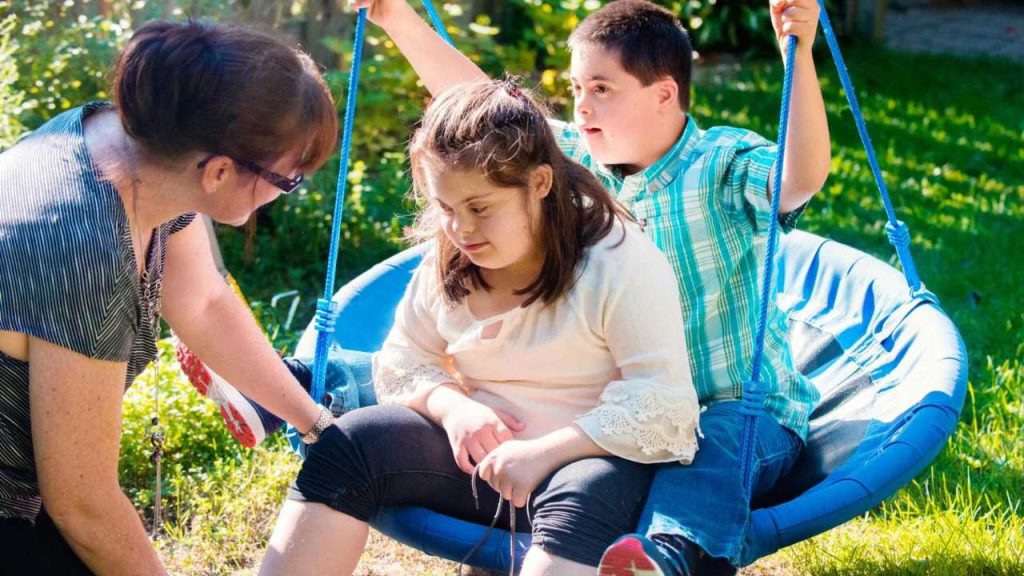
Creating a sensory-friendly environment around your child’s sensory swing is about more than just the swing itself; it’s about crafting a space that supports their overall sensory needs.
A well-thought-out area can significantly enhance the therapeutic benefits of the swing, making it a sanctuary for your child.
Crafting a Sensory-Safe Haven
- Choose a Calm Corner: Select a quiet, low-traffic area of your home for the sensory swing. This minimizes distractions and creates a peaceful retreat where your child can relax and focus.
- Soft Lighting: Bright lights can be overwhelming. Opt for soft, natural lighting or adjustable light sources that allow you to control the brightness according to your child’s comfort level.
- Use Soothing Colors: Decorate the area with calming colors. Soft blues, greens, and earth tones create a tranquil environment conducive to sensory regulation.
- Incorporate Textures: Add various textures for your child to explore. Soft rugs, plush pillows, and weighted blankets can provide comforting tactile feedback.
Integrating Other Sensory Tools
- Sensory Bins: Place sensory bins filled with rice, beans, or water beads near the swing. These can offer a calming, tactile experience before or after swing time.
- Visual Stimuli: Include items that provide gentle visual stimulation, such as lava lamps, fiber optic lights, or slow-moving mobiles. These can be particularly mesmerizing and soothing.
- Auditory Options: Soft background music or natural sounds can enhance the sensory environment. Consider a small speaker with a playlist of your child’s favorite calming sounds.
- Tactile Toys: Keep a selection of tactile toys nearby, such as fidget spinners, stress balls, or fabric swatches with different textures. These can be used for sensory breaks or as a sensory diet.
Real-Life Example
One family shared how they transformed a corner of their living room into a sensory oasis. They installed a sensory swing and surrounded it with a soft, textured rug, a small bookshelf filled with tactile toys, and a curtain to dim the lights.
This setup made the swing more inviting and provided a comprehensive sensory experience that their child could customize based on their needs.
Embracing Sensory Diversity
Every child’s sensory needs are unique, so tailoring the environment to their preferences is essential. By creating a sensory-friendly space around the swing, you’re not just offering a fun activity but a holistic approach to sensory integration and regulation.
Engage your child in the process, allowing them to choose elements that make them feel most comfortable and supported. This collaborative effort can make the sensory swing and surrounding environment a cherished part of your child’s daily routine.
Overcoming Challenges
Integrating sensory swings into your child’s routine can be transformative but challenging. Some children might initially fear the swing or become overstimulated by the sensation.
Understanding these challenges and knowing how to navigate them can make the introduction to sensory swings a positive experience for your child.
Addressing Common Challenges
- Fear of Swinging: It’s not uncommon for children, especially those with autism, to feel apprehensive about new experiences. With its movement and height, a sensory swing might seem daunting.
- Overstimulation: While sensory swings are designed to provide soothing sensory input, every child’s sensitivity levels are different. For some, the swinging motion can become overwhelming, leading to overstimulation rather than relaxation.
Strategies for Gradual Introduction
- Start with Familiarization: Before encouraging your child to use the swing, let them explore it at their own pace. Place the swing in a common area where they can see and touch it daily, making it a familiar part of their environment.
- Incorporate the Swing into Play: Use toys or games your child enjoys and gently incorporate the swing into these activities. For example, placing a favorite toy on the swing and pushing it lightly can pique their interest.
- Short Sessions: Encourage your child to sit or lie in the swing for short periods. Use a timer to make this a fun game, gradually increasing the time as they become more comfortable.
- Control the Motion: Start with gentle pushing, allowing your child to control the motion as much as possible. Some children may prefer to push themselves off the ground lightly or not swing at all in the beginning.
- Create a Safe Space: Ensure the area around the swing is padded and safe, reducing the fear of getting hurt. This safety net can make the swing seem more manageable.
Real-Life Example
A parent shared their strategy for introducing their child to a sensory swing. Initially resistant, the child was allowed to explore the swing without pressure to get on. Over time, curiosity won, and they began to use the swing with their parent’s gentle encouragement.
They started with just sitting in the swing, gradually moving to slight movements, and eventually swinging independently. The parent noted that making the swing a regular part of their play area and routine, without forcing interaction, was critical to this successful introduction.
Overcoming Challenges Together
Patience and understanding are crucial when introducing a sensory swing to a hesitant child. A gradual, child-led approach can help your child overcome their initial fears or sensitivities.
Remember, the goal is to create a positive and supportive experience that encourages sensory exploration and enjoyment. Celebrate small victories and progress, knowing that each step forward is a significant achievement for your child’s sensory integration journey.




