
 By Walker Evans
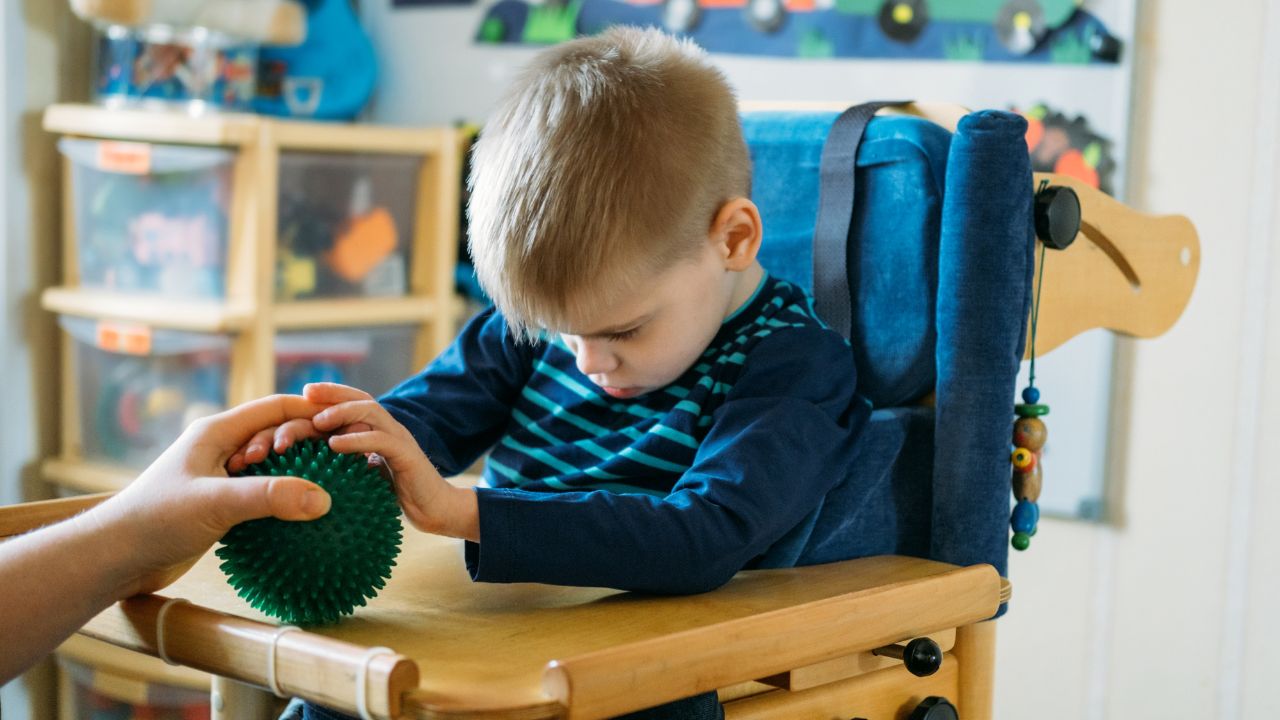
If you’re seeking tools to help your child with autism better manage sensory input, enhance communication, and find moments of calm, you’re in the right place.
Sensory tools are more than just toys or gadgets; they’re powerful aids that unlock new levels of engagement, learning, and self-regulation.
They provide a safe outlet for sensory exploration, promote focus, and can even transform overwhelming experiences into moments of joy.
In this guide, we’ll explore the benefits of sensory tools, how they work, and how to choose the right ones for your child. Let’s empower your child to navigate their world and find comfort in sensory experiences confidently.
How Do Sensory Toys Help Children With Autism?
Sensory toys play a crucial role in the development and daily life of children with Autism Spectrum Disorder (ASD).
These toys are designed to stimulate the senses, helping calm the child, improve focus, or manage sensory overload—a common challenge for many with autism. Here’s how sensory toys can be beneficial:
Enhance Sensory Processing
Children with autism often have sensory processing issues; they may be hypersensitive (over-responsive) or hyposensitive (under-responsive) to sensory stimuli. Sensory toys help by providing appropriate sensory input to help children regulate their sensory experiences. For example:
- Textured toys can help tactile-sensitive children get accustomed to different textures in a controlled and safe manner.
- Visual sensory toys, such as liquid timers or glitter wands, can captivate attention and soothe children who may be overwhelmed by their environment.
Promote Calm and Focus
Many sensory toys are designed to help children calm down and improve concentration. Toys that provide repetitive, calming sensory experiences can be particularly effective:
- Fidget toys help reduce anxiety by giving hands something to do. This can help a child focus better on tasks or calm down in stressful environments.
- Weighted toys or blankets provide deep pressure stimulation, which is known to be comforting and can help reduce anxiety. This can lead to better focus and sometimes improved sleep.
Develop Fine and Gross Motor Skills
Sensory toys often require manipulation with hands and fingers, which can enhance fine motor skills. For example:
- Sensory bins filled with rice, beans, or water beads encourage digging and sifting, which helps with hand-eye coordination and dexterity.
- Balance boards or therapy balls engage core muscles and promote gross motor development, helping balance and body awareness.
Encourage Social Interaction
While many sensory toys benefit solitary play, they can also be integrated into social activities that encourage interaction with peers or family members. For instance:
- Turn-taking games using sensory materials can help teach social rules and cooperative play.
- Group activities involving sensory play mats or joint play in a sensory room can facilitate interaction in a non-threatening way.
Facilitate Communication and Emotional Expression
Sensory toys can also be tools for expressing feelings or needs without words. Children who struggle with verbal communication can use sensory toys to communicate their state of mind:
- Color-changing mood balls or toys that react to touch can provide a non-verbal way of expressing emotions.
- Music-making toys can help children communicate their feelings through sound, which can be especially powerful for non-verbal people.
Support Routine and Provide Predictability
Many children with autism thrive on routine and predictability, which can be reinforced through specific sensory toys that become part of their daily schedule:
- Sensory mats or special cushions used during specific times can signal transitions between activities or provide comfort during high-stress periods.
Best Toys For Developing Social Skills In Autistic Children
Selecting toys that help develop social skills in children with Autism Spectrum Disorder (ASD) involves choosing items that encourage interaction, communication, and cooperation. The best toys for this purpose can often be used in shared activities and naturally prompt engagement with others. Here are some excellent toy choices to consider:
Board Games
Board games promote turn-taking, patience, and understanding rules, all essential social skills. Games that require players to work together towards a common goal can also enhance cooperative skills. To start, look for simple board games with clear, easy-to-follow rules, such as “Candy Land” or “Chutes and Ladders.”
Building Blocks and Construction Toys
Toys like LEGO, Mega Bloks, or magnetic building tiles like Magna-Tiles offer endless collaborative play opportunities. These toys encourage children to plan, share, and build together, which can improve both verbal and non-verbal communication skills as they negotiate with peers on what to build next.
Role-Playing Toys
Dress-up clothes, dolls, action figures, and playsets (like kitchens, tool sets, or dollhouses) allow children to play pretend. This type of play helps children practice social roles and scenarios, from family life to superhero adventures, facilitating an understanding of social norms and behaviors.
Puppets
Puppet play can be a less intimidating way for children with autism to explore social interaction. Puppets can act as a medium for communication, allowing children to express emotions, perform social roles, and interact in a controlled, imaginative environment.
Cooperative Games
Games designed specifically for cooperative play require players to work together to achieve a goal, which can be particularly beneficial for teaching children how to cooperate and work in a team. Examples include games like “Outfoxed!” or “Hoot Owl Hoot!” focusing on group success rather than individual competition.
Sports and Physical Games
Simple sports equipment like balls, frisbees, or a bowling set can promote interactive play. Sports teach turn-taking, dealing with winning or losing, and following game rules. Activities like tossing a ball back and forth can also improve eye contact and joint attention.
Interactive Tech Toys
Certain tech toys designed for educational purposes can also encourage social interaction. For instance, interactive storybooks or games that require multiple players can foster social skills. Choose tech toys that promote engagement in group rather than solitary play.
Art and Craft Supplies
Shared art projects can be a social activity that encourages interaction while reducing the pressure of direct communication. Supplies that can be used together, such as large sheets of paper for group drawings or multiple paint sets, allow children to express themselves alongside peers in a relaxed setting.
Music Instruments
Simple musical instruments, such as drums, xylophones, or maracas, can be used in a group setting to create music together. This can teach listening, sharing, and collaborating in a fun, engaging way.
Technology-Assisted Toys That Aid In Social Skill Development For Autistic Kids
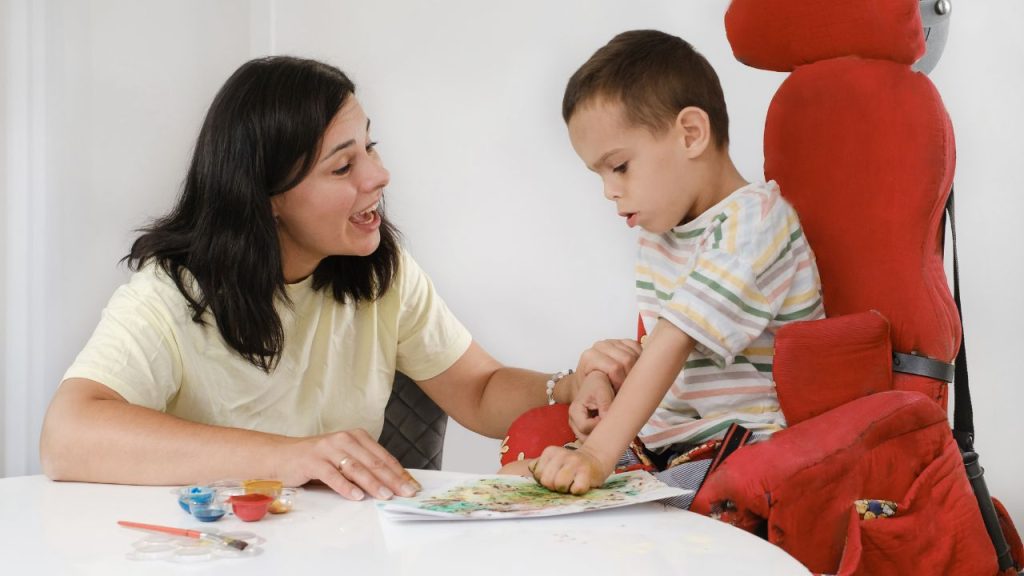
technology-assisted toys and tools can be highly effective in aiding social skill development for children with Autism Spectrum Disorder (ASD).
These toys leverage technology to engage children in interactive play that improves communication, turn-taking, emotion recognition, and more. Here are several examples of technology-assisted toys and applications that are particularly well-suited for helping autistic children develop social skills:
Social Robots
Robots like RoboKind’s Milo and Aldebaran’s NAO are explicitly designed for children with autism. These robots use human-like expressions and interactions to engage children in social behavior lessons, practice greetings, and understand emotions. Their predictable interactions can make them less intimidating than human interactions for children with ASD.
Interactive Apps
There are numerous apps designed to teach and enhance social skills among children with autism:
- Model Me Going Places: This app is a great visual teaching tool that helps autistic children learn to navigate common social settings. It uses photo slideshows to demonstrate appropriate social behaviors in various community locations, such as the supermarket, doctor’s office, playground, and more. The visual cues can help children understand and emulate expected behaviors in these settings.
- The Social Express: This interactive app targets core social deficits by engaging users in animated episodes that teach ways of dealing with everyday social interactions. It covers topics such as how to read the group, deal with anxiety, figure out what to talk about, and more. The Social Express is well-regarded for its high-quality animations and engaging, relatable scenarios.
- Let’s Be Social!: Explicitly designed for learning social skills, this app provides lessons and customizable story templates that parents and educators can use to teach children about personal interactions, navigating social situations, and understanding emotions. It’s beneficial for creating personalized social stories that can cater to a child’s specific needs.
- Everyday Social Skills: This app focuses on helping children learn basic social skills. It covers essential interactions like greetings, conversations, and politeness. It uses simple, straightforward language and visuals to help autistic children understand and practice these fundamental skills.
- Peek-a-Zoo: This app is designed for younger children and uses animal characters to teach concepts of emotions, actions, and social cues. It asks children to identify which animal is performing a specific action or showing a particular emotion, helping to develop their ability to read facial expressions and understand social cues.
- Social Detective: Based on the Social Thinking curriculum, this app teaches children how to be better social thinkers by using real-life scenarios to teach the distinctions between “expected” and “unexpected” social behaviors. It helps children understand how their actions impact how others perceive and react to them, enhancing their social radar.
- MITA (Mental Imagery Therapy for Autism): While primarily an early intervention app for children with language delays, MITA also includes activities encouraging social engagement and interaction, making it a good choice for concurrently developing language and social skills.
Virtual Reality (VR) Systems
VR can create immersive environments for children to practice social interactions in a controlled yet realistic setting. Programs can simulate scenarios like classroom settings, social gatherings, or public places, allowing children to practice and learn social cues and responses without real-world consequences.
Tablets and Smart Devices
Tablets can have social story apps and interactive games that facilitate social learning. Apps like “Let’s Be Social!” provide lessons on social interactions, while games can encourage turn-taking and collaborative play.
Augmentative and Alternative Communication (AAC) Devices
For non-verbal children or those with very limited speech, AAC devices can aid communication. Devices like Proloquo2Go and GoTalk enable children to use symbols and text to communicate their needs and feelings, which can be a foundation for further social interaction.
Touchscreen Games
Touchscreen games on tablets or computers that require multiple players can encourage social interaction. Games designed for cooperative play can teach children the importance of taking turns and working together to achieve common goals.
Interactive Storybooks
Digital storybooks with interactive elements can engage children while teaching them about social situations and expectations. These storybooks often allow customization to match the child’s learning pace and can include quizzes and games to reinforce learning.
Final Words
The world of sensory tools is vast and exciting, and with the right guidance, you can discover a treasure trove of resources to support your child’s unique needs. It’s about creating an environment where your child feels safe to explore, learn, and grow.
Remember, every child is different, and what works for one may not work for another. But with patience, observation, and a willingness to experiment, you can find the perfect combination of sensory tools to empower your child to thrive.
As you embark on this journey, don’t hesitate to seek guidance from therapists, educators, and other parents. A whole community of support is waiting to embrace you and your child.
Together, we can celebrate the unique strengths and abilities of every child with autism and provide them with the tools they need to reach their full potential.




