
 By Walker Evans
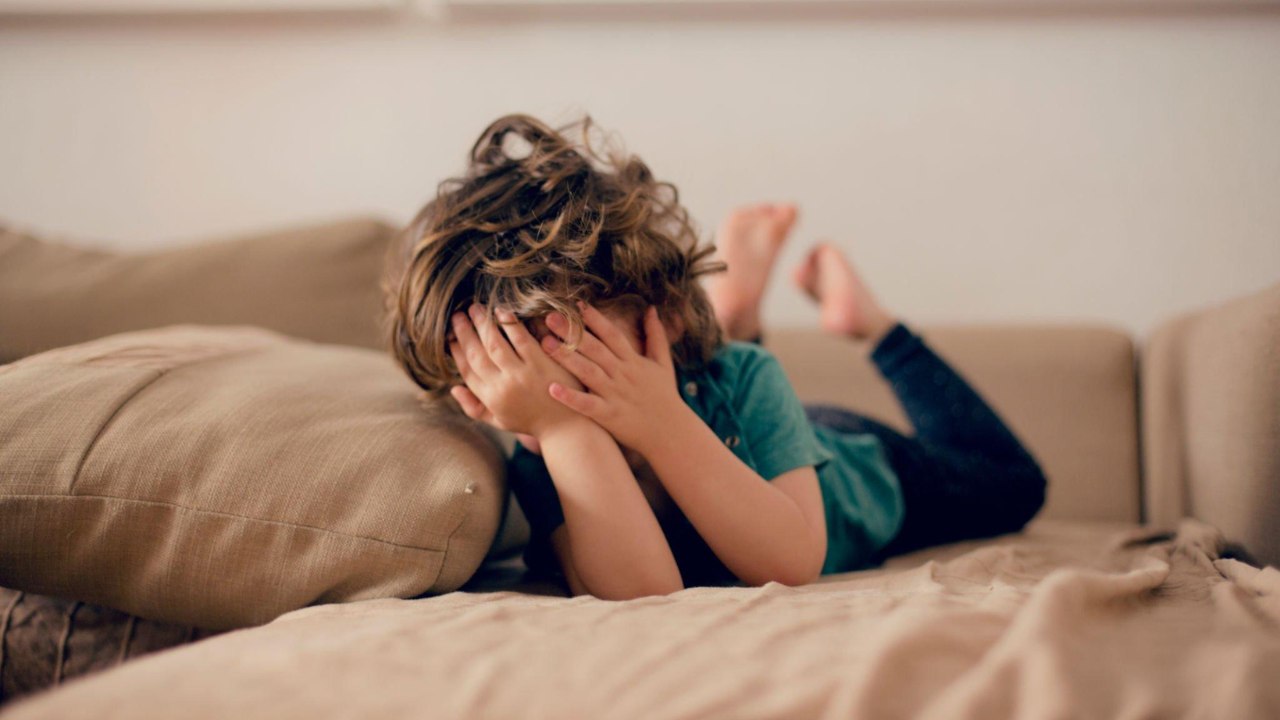
In the early years of a child’s life, every behavior, reaction, and interaction is a window into their unique world. As parents and caregivers, we often look for signs that help us understand our child’s personality and needs.
Among the myriad of behaviors we observe, differentiating between a child’s natural shyness and potential indicators of Autism Spectrum Disorder (ASD) can be particularly challenging.
Both can manifest in ways that affect social interactions, communication, and play. This article aims to illuminate these nuances and offer a comprehensive guide to recognizing early signs and behaviors.
By understanding the distinct characteristics of shyness and autism, we empower ourselves to provide the best support, fostering an environment where every child feels understood and celebrated.
Understanding Shyness
Understanding shyness is the first step in recognizing and differentiating its manifestations from other behaviors.
While every child is unique and the degree of shyness can vary, being equipped with this knowledge allows parents and caregivers to effectively support their child’s social and emotional growth.
Defining the Realm of Shyness
Many of us are familiar with shyness, which is often characterized by discomfort, apprehension, or nervousness in unfamiliar situations or when encountering new people.
It’s a natural response rooted in our evolutionary history, where cautious behavior in unknown scenarios could be advantageous.
Characteristics of Shyness
Shy children might often prefer observing before participating, taking their time to warm up to new environments. They might cling to familiar adults, avoid eye contact, or speak softly.
It is essential to recognize that shyness does not indicate a child’s ability or intelligence. Instead, it reflects their internal processing and comfort levels.
Common Behaviors and Reactions
A shy child might often hide behind a parent’s leg when introduced to someone new or might be reluctant to join a group of peers playing at the park. These children might also exhibit heightened sensitivity and are easily overwhelmed in loud or bustling environments.
It’s also not uncommon for shy children to be quite talkative and open in familiar settings, showcasing a different side of their personality when they feel safe and comfortable.
Grasping Autism Spectrum Disorder (ASD)
Gaining a clear understanding of Autism Spectrum Disorder is crucial for parents and caregivers.
Recognizing the distinct characteristics of autism, separate from traits like shyness, allows for better support, early interventions, and a more inclusive environment that caters to the unique needs of autistic individuals.
Introduction to Autism
Autism Spectrum Disorder (ASD) is a complex neurodevelopmental condition that affects social interaction, communication, and behavior.
Unlike shyness, a personality trait, autism is a lifelong condition that influences how individuals perceive the world and interact with others. It’s termed a “spectrum” because it manifests in various degrees, each individual having unique strengths and challenges.
Key Behaviors and Patterns
Children with autism often exhibit repetitive behaviors, have specific routines they prefer not to be disrupted, and might show intense interest in particular subjects or activities.
Social interactions can be challenging, not necessarily due to shyness, but often because of difficulties understanding social cues, facial expressions, or emotions.
Communication can also vary widely among autistic individuals. Some might be non-verbal, relying on alternative communication methods, while others might speak fluently but struggle with the nuances of conversation, such as tone or sarcasm.
Understanding the Underlying Factors
Autism is believed to result from a combination of genetic and environmental factors. Upbringing, parenting choices, or social circumstances do not cause it.
While the exact causes remain a topic of research, what’s clear is that early intervention and tailored support can make a significant difference in the lives of those with autism.
Key Differences in Social Interactions
Distinguishing between the social behaviors of shy children and those with autism is crucial for understanding their unique needs.
While there might be overlaps, recognizing the underlying motivations and challenges behind their actions allows parents, caregivers, and educators to provide the right support, fostering meaningful connections and positive social experiences.
Approaching or Avoiding Social Situations
While both shy children and those with autism might exhibit hesitancy in social situations, the reasons behind their behaviors can differ significantly. A shy child’s reluctance often stems from apprehension or fear of unfamiliarity.
They might be wary of new faces or environments but can gradually warm up as they become more accustomed. On the other hand, an autistic child’s hesitancy in social scenarios might be due to sensory sensitivities, difficulty in understanding social cues, or a preference for structured, predictable environments.
Interpreting and Responding to Social Cues
One of the hallmark differences lies in the interpretation of social cues. Shy children, despite their initial hesitation, generally understand facial expressions, tone of voice, and body language.
Their responses are often in line with the social context, albeit reserved. In contrast, children with autism might find it challenging to interpret these cues. They might not respond to their name being called, struggle with eye contact, or recognize the emotional context behind a smile or a frown.
Forming and Maintaining Relationships
Once comfortable, shy children can form deep and meaningful relationships with peers, often having a close-knit circle of friends. Their shyness might make them more selective, but it doesn’t impede genuine connection.
Autistic children, however, might face challenges in forming and maintaining relationships. This is not due to a lack of desire but rather difficulties in understanding social norms, sharing interests, or navigating the complexities of group dynamics.
Communication Patterns
Communication is a multifaceted domain, with nuances that vary from child to child. It is pivotal to recognize the distinct patterns in shy and autistic children.
It not only aids in understanding their world but also equips caregivers with the tools to foster effective communication, ensuring every child feels heard, understood, and valued.
Verbal and Non-Verbal Cues in Shy Children
Shy children often communicate effectively, albeit in a reserved manner, when in familiar settings or around trusted individuals. Their verbal cues include softer speech, brief responses, or hesitations before answering. Nonverbally, they might use fewer gestures, avoid prolonged eye contact, or display subtle facial expressions.
However, verbal and non-verbal communication typically aligns with the context and is coherent with their emotions and intentions.
Communication Traits in Children with Autism
Autistic children exhibit a wide range of communication patterns. Some might be fluent speakers, articulating their thoughts and feelings precisely, while others might be non-verbal, relying on alternative methods like sign language, communication boards, or digital devices.
Their speech might include repetitive phrases, echolalia (repeating words or sounds), or a unique cadence. Non-verbally, they might not use or understand common gestures, struggle with varying their tone of voice, or interpret literal meanings of idioms or metaphors.
Understanding Emotional Expressions
While shy children might be more restrained in showcasing their emotions, they generally understand and can interpret emotional expressions in others. They can empathize, console, or share in joy, even if they do so quietly.
Autistic children, on the other hand, might find it challenging to recognize or respond to emotional cues. This doesn’t imply a lack of empathy; it’s a difference in processing and expressing emotions. They might not react conventionally to someone’s sadness or express their emotions in unconventional ways.
Sensory Sensitivities and Reactions
Understanding sensory sensitivities and reactions is vital to supporting shy and autistic children. While their experiences might overlap in specific scenarios, the underlying reasons and coping mechanisms can differ significantly.
By being attuned to their unique needs and preferences, we can create comfortable and empowering environments for them.
Typical Reactions of Shy Children
When faced with overwhelming or unfamiliar sensory stimuli, Shy children might desire to retreat or seek comfort in familiar surroundings. Loud noises, bright lights, or bustling environments can amplify their feelings of apprehension.
Their reactions, however, are often rooted in the unfamiliarity or intensity of the situation rather than the sensory input itself. For instance, a shy child might cling to a parent in a crowded place, not necessarily because of the noise but due to the overwhelming number of unfamiliar faces.
Sensory Processing in Children with Autism
For many children with autism, sensory sensitivities are a significant aspect of their experience. They might perceive sensory input more intensely or differently than others. A gentle touch could feel overwhelming, while a loud sound might be distressing.
Conversely, some might seek specific sensory experiences, finding comfort in certain textures, sounds, or movements. These sensitivities or preferences can influence their lives, from food choices to clothing preferences and social interactions.
Navigating Sensory Overload
While shy children might feel overwhelmed in certain situations, their discomfort often eases as they acclimate or the stimulus subsides. For autistic children, sensory overload can be more pronounced, requiring specific strategies or interventions.
They might use headphones to dampen noise, wear sunglasses to reduce light sensitivity, or have specific routines to calm themselves when overwhelmed. Recognizing and accommodating these needs is crucial for their comfort and well-being.
Play and Peer Interactions
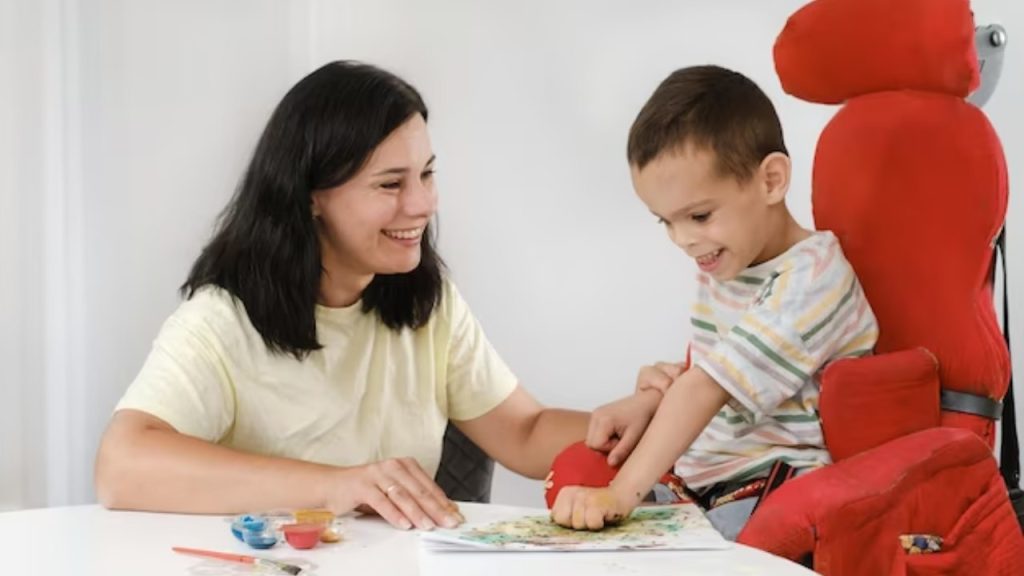
Play and peer interactions offer a window into a child’s world, revealing their preferences, challenges, and strengths. Recognizing the distinct patterns in shy and autistic children allows parents, educators, and peers to foster positive social experiences.
By creating inclusive play environments and promoting understanding, every child can experience the joy of connection and the magic of play.
Engagement Styles of Shy Children
Shy children, when introduced to play settings, often take on the role of observers initially. They might watch from a distance, gauging the environment and the children involved. Once they feel a sense of familiarity or safety, they might gradually join in, albeit in a reserved manner.
Their play might be more structured, preferring one-on-one or small group interactions over extensive group settings. While they might be hesitant to initiate play, they often respond positively when approached by peers gently and inclusively.
Play Patterns of Children with Autism
Children with autism exhibit a wide range of play behaviors. Some might engage in parallel play, playing alongside peers but not necessarily with them. Others might prefer solitary play, deeply engrossed in specific activities or toys.
Repetitive play, such as lining up toys or repeating specific actions, is also common. While they might face challenges in shared imaginative play or understanding the unwritten rules of group games, their play is often rich in creativity and detail.
Navigating Social Dynamics
Once they warm up, shy children can form meaningful connections with peers, often building deep bonds with a select group of friends. They prefer playdates in familiar settings and might take time to adjust to new social scenarios. Children with autism, on the other hand, might struggle with the nuances of social dynamics.
They might not pick up on subtle social cues, like knowing when to take turns or how to enter a group play scenario. However, with guidance and understanding from peers and adults, they, too, can form valuable and lasting friendships.
Seeking Professional Guidance
Seeking professional guidance is a step towards empowerment. It equips parents and caregivers with knowledge, tools, and strategies to support their child effectively.
Whether it’s understanding the nuances of shyness or navigating the complexities of autism, expert insights can illuminate the path, ensuring every child receives the understanding, love, and support they deserve.
Recognizing the Need for Expertise
As parents and caregivers, our intuition often guides us in understanding our children’s needs. However, sometimes, behaviors or patterns might raise questions or concerns.
Recognizing when to seek external guidance is crucial, whether it’s a persistent challenge in social interactions, communication hurdles, or sensory sensitivities. It’s not about labeling or diagnosing but about understanding and supporting the child’s journey.
The Role of Pediatricians and Specialists
Pediatricians play a pivotal role in a child’s developmental journey. Regular check-ups often include assessments of social, emotional, and cognitive milestones. If a parent has concerns, pediatricians can provide initial insights and, if necessary, refer to specialists.
Child psychologists, speech therapists, occupational therapists, or developmental pediatricians can offer more in-depth evaluations and tailored strategies to support the child’s growth.
The Value of Early Intervention
Early intervention is often associated with developmental challenges, emphasizing the importance of timely support. For children on the autism spectrum, early intervention can make a significant difference in developing essential skills and navigating challenges.
For shy children, interventions might focus on building confidence, enhancing social skills, or managing anxiety. Regardless of the specific needs, early and tailored support can lead to positive outcomes.
Supporting Your Child Regardless of the Label
Supporting a child goes beyond interventions, therapies, or strategies. It’s a journey of love, understanding, and advocacy.
Parents and caregivers empower their children to navigate the world with confidence, resilience, and a strong sense of self-worth by focusing on the individual and not just the label.
The Power of Unconditional Love
A bond built on unconditional love is at the heart of every parent-child relationship. Whether a child is shy, autistic, or exhibits any other unique trait, this love remains unwavering.
It’s essential to remember that every child, regardless of labels or diagnoses, seeks acceptance, understanding, and a safe space to be themselves.
By offering this foundation of love, parents create an environment where children feel valued for who they are, not just for their behaviors.
Understanding Over Stereotyping
In a world filled with information, stereotypes can often cloud our judgment. It’s easy to fall into the trap of generalizing behaviors based on what we’ve read or heard. However, every child has strengths, challenges, and experiences.
By seeking to understand our child’s unique perspective, we move beyond stereotypes and embrace their individuality. This understanding fosters genuine connection and trust, allowing the child to thrive.
Empowerment Through Advocacy
As parents and caregivers, our role extends beyond the confines of our homes. We advocate for our children in schools, communities, and social settings.
Educating ourselves and others challenges misconceptions, promotes inclusivity, and ensures our children receive the respect and opportunities they deserve. Advocacy is not just about fighting battles; it’s about creating a world where every child, regardless of labels, can shine.
Final Words
In the intricate tapestry of childhood, every thread—shyness, autism, or any other trait—adds depth, color, and uniqueness. As parents and caregivers, we must identify these threads and weave them into a supportive framework that celebrates each child’s individuality.
By understanding the nuances between shyness and autism, seeking guidance when needed, and championing our children’s strengths, we lay the foundation for a world that recognizes and values neurodiversity.
Remember, it’s not the labels that define our children but their dreams, aspirations, and the love they carry within.
Let’s join hands in creating a world where every child feels understood, supported, and cherished for the incredible individual they indeed are.




