
 By Walker Evans
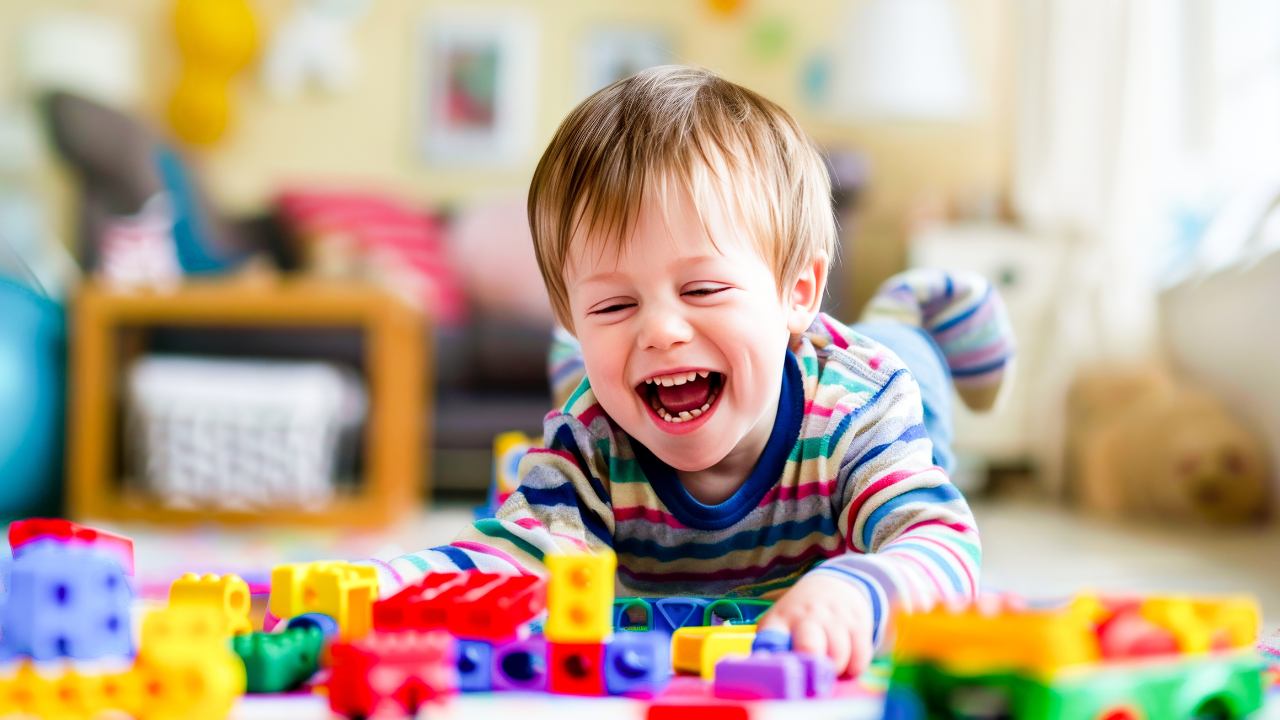
Navigating the developmental milestones of toddlerhood can bring immense joy and occasional worries, especially when behaviors such as limited speech or unusual play spark concerns about autism.
Many parents find themselves searching for reassurance about their child’s development, wondering if certain behaviors are indicative of Autism Spectrum Disorder (ASD) or simply part of their child’s unique growth path. In our article, “5 Signs Your Toddler Is Not Autistic: Relief For Parents From Professionals,” we aim to provide clarity and peace of mind.
This guide, crafted with insights from child development experts, highlights key signs suggesting your toddler typically develops outside the autism spectrum. We understand the anxieties that come with parenting—it’s natural to worry.
But with the right information, you can recognize the positive indicators of your child’s development, reducing stress and enhancing your journey together. Join us as we explore these signs, offering you a deeper understanding and the reassurance you need.
Common Misconceptions About Autism In Toddlers
There are several common misconceptions about autism in toddlers that need to be addressed:
Myth: Autism is caused by bad parenting:
Truth: Autism is a neurodevelopmental disorder with genetic and environmental factors contributing to its onset. Parenting style has no causative link to autism.
Myth: Vaccines cause autism:
Truth: There is no scientific evidence to support the claim that vaccines cause autism. Multiple studies have consistently shown that vaccines are safe and do not contribute to the development of autism.
Myth: Autistic children don’t feel emotions:
Truth: Autistic children do feel emotions but may express them differently. They may struggle with recognizing and communicating emotions, but this does not mean they lack emotional responses.
Myth: All autistic children have savant skills:
Truth: While some autistic individuals may have exceptional talents, savant skills are relatively rare and not present in all autistic individuals.
Myth: Autism is a mental health disorder:
Truth: Autism is a neurological disorder, not a mental health disorder. It is characterized by differences in brain structure and function, not by mental health issues.
Myth: Autistic children are violent:
Truth: There is no evidence to suggest that autistic individuals are more violent than others. Aggressive behavior, if present, is often a response to sensory overload or frustration.
Myth: Autism is only found in children:
Truth: Autism is a lifelong condition that affects individuals of all ages. While early intervention is crucial, many adults are diagnosed with autism later in life.
Myth: Autistic children cannot learn:
Truth: Autistic children can learn and develop new skills with the right support, therapy, and teaching methods tailored to their needs.
Myth: Girls are less likely to have autism:
Truth: While boys are more commonly diagnosed with autism, girls can also have autism. The diagnosis rate for girls is increasing as awareness and understanding of autism in girls improves.
Myth: Autism is an epidemic:
Truth: The increase in autism diagnoses is primarily due to improved diagnostic tools, increased awareness, and broader diagnostic criteria. It is not an epidemic.
Signs Your Toddler Is Not Autistic
While every child develops at their own pace, there are certain signs that can indicate whether your toddler is not autistic. Here are some key indicators to look out for:
Social Communication
- Eye Contact: Toddlers who are not autistic typically make eye contact with their caregivers and others, especially during interactions.
- Responding to Name: They respond to their name being called and may even look towards the speaker.
- Imitation: They imitate gestures, facial expressions, and words, showing an understanding of social cues.
- Pointing and Gesturing: They use pointing and gesturing to communicate, such as pointing to objects or people to get attention.
- Social Smiling: They smile in response to social interactions, like when playing or being tickled.
Language Development
- Babbling and Vocalization: Toddlers who are not autistic typically babble and make sounds to communicate, even if they don’t form words.
- Using Words: They use words and phrases to communicate, such as “mama” or “dada” for parents.
- Understanding Simple Instructions: They begin to understand simple instructions, like “pick up your toy.”
Social Interaction
- Playing with Others: They play simple, like rolling a ball back and forth.
- Showing Interest in Peers: They show interest in other children and may even try to imitate their actions.
- Seeking Attention: They seek attention from caregivers and others, often through gestures or vocalizations.
Repetitive Behaviors
- Variety in Play: Toddlers who are not autistic typically engage in various play activities and don’t excessively focus on one activity.
- No Repetitive Movements: They do not exhibit repetitive movements like hand-flapping, body rocking, or spinning.
Emotional Regulation
- Expressing Emotions: They express various emotions, such as happiness, sadness, and anger, in response to different situations.
- Calming Down: When upset, caregivers can comfort and calm them down.
Early Signs of Autism In Toddlers
Early signs of autism in toddlers typically include:
Social and Communication Differences
- Limited eye contact
- Delayed or absent babbling
- No response to name by 12 months
- Limited gestures like pointing or waving
- Difficulty understanding simple instructions
- Delayed or absent speech
- Unusual tone or pitch of voice
Repetitive Behaviors
- Hand flapping, rocking, or spinning
- Repetitive movements like head banging or body rocking
- Insistence on following routines
- Strong interests in specific objects or activities
Sensory Issues
- Over- or under-sensitivity to sounds, sights, smells, tastes, or textures
- Unusual reactions to sensory experiences
Play and Interaction
- Limited imaginative play
- Difficulty engaging in interactive games like peek-a-boo
- Preferring to play alone
- Difficulty understanding and responding to emotions in others
Developmental Delays
- Delayed or absent milestones like sitting, crawling, or walking
- Loss of previously acquired skills
Effective Strategies for Supporting a Toddler with Autism at Home
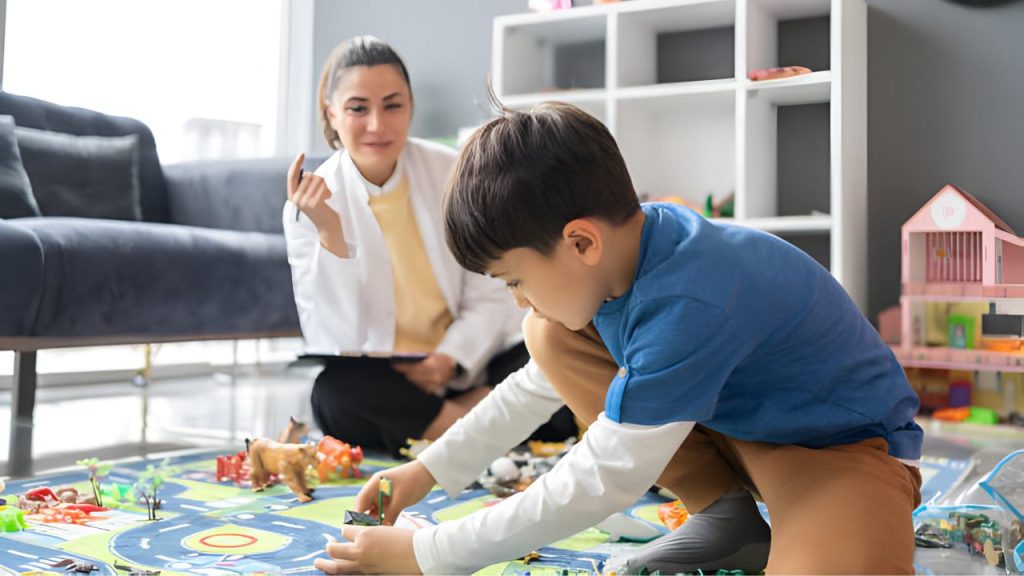
Supporting a toddler with autism at home requires patience, understanding, and a tailored approach to meet their unique needs. Here are some effective strategies to help you create a supportive and inclusive environment for your child.
Provide Structure and Safety
Creating a structured environment helps autistic children feel secure and in control. Establish a daily routine that includes regular times for meals, therapy, school, and bedtime. Consistency is key, so try to maintain this routine even on weekends and holidays.
Additionally, create a safe space in your home where your child can relax and feel secure. This can involve organizing and setting boundaries in ways your child can understand, such as using visual cues like colored tape to mark off-limits areas.
Use Visual Aids and Communication
Visual aids are essential for autistic children, who often learn better through visual cues. Use pictures, drawings, or lists to communicate with your child and help them understand what is expected.
For example, create a visual schedule to break down tasks into manageable steps. This can help reduce anxiety and make transitions smoother.
Encourage Engagement and Participation
List your child’s favorite toys, books, and games to motivate them to engage in activities. Allow them to choose from these options and join in on activities they enjoy. This will help boost their motivation and encourage participation.
Additionally, give your child many opportunities to make choices, such as selecting a toy or activity, to help them feel more in control.
Manage Distractions and Sensory Issues
Autistic children can be easily distracted by their surroundings. To minimize distractions, try bringing out one favorite toy at a time and collecting a few favorite toys in a basket. This helps them focus on the activity at hand.
Additionally, explore different textures through play to help your child manage tactile sensitivities. For example, play with textured balls or blocks or introduce different washcloths at bath time.
Set Reasonable Expectations and Offer Support
Set realistic goals for your child and break them down into manageable steps. This helps them experience progress and build confidence.
Offer support and encouragement, and be patient with their progress. Remember, every step forward is a success, no matter how small.
Practice Patience and Understanding
Patience and understanding are crucial when supporting a toddler with autism. Avoid comparing your child to others and focus on their strengths and challenges.
Celebrate small successes and offer unconditional love and acceptance. This helps your child feel secure and valued, creating a more positive and supportive environment.
Engage in Play and Therapy
Engage in play activities with your child, such as floor activities, to help them develop social skills and build a stronger bond.
Additionally, explore different therapy options, such as Applied Behavior Analysis (ABA), Relationship Development Intervention (RDI), and Parent-Child Interaction Therapy (PCIT), to help your child develop essential skills and manage challenges.




