
 By Walker Evans

Navigating social interactions can feel like a foreign language for many autistic children. While they crave connection, understanding the unwritten rules of conversation, friendships, and group dynamics can be a source of anxiety and confusion.
Enter social skills groups: a safe and structured environment for autistic children to learn, practice, and blossom socially.
This blog is your guide to exploring the world of social skills groups for autistic students. We’ll discuss their potential benefits, the types of groups available, and how to find the perfect fit for your child’s needs and personality.
Imagine your child gaining confidence in social settings, making new friends, and feeling a sense of belonging.
Social skills groups can be a springboard for their social development, providing a supportive environment where they can learn essential skills, build meaningful connections, and unlock their full potential for friendship and happiness.
The Importance of Social Skills for Autistic Students
Social skills are essential for all individuals to navigate the complexities of interpersonal interactions and societal norms successfully.
Mastering these skills can be particularly challenging and exceptionally rewarding for students with autism. Social skills are crucial for immediate integration with peers and long-term personal and professional success.
Critical Role of Social Skills in Autistic Development
Immediate Benefits
- Improved Interaction: Autistic students often find social interactions overwhelming due to difficulties understanding non-verbal cues such as body language and facial expressions. Learning these skills can help reduce anxiety around social interactions, making school and social events more enjoyable and meaningful.
- Peer Relationships: Effective social skills enable autistic students to form friendships. These relationships provide emotional support, enhance self-esteem, and offer opportunities for practicing social norms in a safe environment.
Long-term Benefits
- Academic Success and Opportunities: Strong social skills are linked to better academic performance because much of learning is conducted in social settings like classrooms and group activities. As students advance in education, the ability to work in teams and communicate effectively becomes even more critical.
- Career Advancement: Social skills are indispensable in the workplace. Communication, collaboration with colleagues, and navigating workplace dynamics are crucial for career success. Autistic individuals who have honed their social skills are better prepared to meet these challenges and seize opportunities for advancement.
Common Social Challenges for Autistic Students
Autistic students face several social challenges that can significantly impact their daily lives and future opportunities:
- Misreading Social Cues: Difficulty interpreting subtle social signals can lead to misunderstandings or social faux pas. For example, an autistic student may not recognize sarcastic tones or facial expressions, leading to confusion and inappropriate responses.
- Difficulty with Communication Nuances: Challenges such as taking turns in conversation, understanding idioms, or maintaining a topic can hinder effective communication. These difficulties often result in social isolation or peer rejection.
- Sensory Sensitivity: Many autistic students are hypersensitive to sensory stimuli, challenging typical school environments. Overwhelming sensory inputs, like loud noises or crowded spaces, can hinder their ability to engage socially.
- Emotional Regulation: Another hurdle is managing emotions in social contexts. Autistic students may feel overwhelmed during social interactions, leading to outbursts or withdrawals that peers may not understand or accept.
Navigating Social Challenges
Addressing these social challenges through dedicated learning and practice can significantly enhance an autistic student’s ability to interact with the world around them.
Programs and strategies designed to teach social skills in structured settings, like social skills groups or therapy focusing on social integration, provide autistic students with the tools they need to succeed.
Benefits of Social Skills Groups for Autistic Students
Social skills groups are designed to address the unique needs of individuals with social communication difficulties, such as those experienced by autistic students.
These groups provide a structured environment where children and adolescents can learn and practice social skills in a supportive setting.
The benefits of participating in these groups extend far beyond the sessions themselves, impacting various aspects of the students’ lives.
Enhanced Communication
One of the primary benefits of social skills groups is the significant enhancement of verbal and non-verbal communication abilities. These groups are:
Structured Learning: Facilitators use targeted activities to teach specific aspects of communication, such as making eye contact, understanding and using body language, and recognizing facial expressions. This instruction helps autistic students decode complex social cues they might not naturally pick up.
Real-time Feedback: Participants receive immediate feedback on their communication efforts in a social skills group. This direct and constructive feedback is crucial for learning and refining new skills, allowing students to make adjustments in a safe environment.
Repetition and Reinforcement: These groups often meet regularly, providing consistent opportunities for autistic students to practice new skills and reinforcing learning through repetition.
Peer Learning and Interaction
Learning alongside peers who face similar social challenges offers several unique advantages:
Shared Experiences: Autistic students often feel isolated in typical social settings where their peers may not understand their challenges. Social skills groups give participants a sense of belonging and understanding as they share similar experiences and difficulties.
Practice Opportunities: These settings allow for safe social interactions where autistic students can practice new skills with others who are also learning. This peer interaction is less intimidating and more forgiving, which is conducive to learning.
Modeling Behavior: Students can observe and model positive social interactions demonstrated by their peers and facilitators, an effective learning strategy, especially for those who benefit from seeing examples before trying out behaviors themselves.
Boosted Confidence and Social Competence
Regular participation in social skills groups can have profound effects on an autistic student’s confidence and overall social competence:
Increased Confidence: As students learn and successfully implement new skills and experience positive interactions within the group, their confidence in their social abilities grows. This self-assuredness often extends into other areas of life, including school and family interactions.
Reduced Social Anxiety: With improved skills and increased confidence, the anxiety that typically accompanies social interactions can decrease significantly. Autistic students may begin to view social situations as opportunities to practice and enjoy interaction rather than events to fear.
Enhanced Social Independence: Over time, the skills learned and the confidence gained can lead to greater social independence. Autistic students may initiate interactions, join group activities, and form friendships more independently than before.
Types of Social Skills Groups for Autistic Students
Social skills groups are specialized programs designed to teach autistic students essential interpersonal skills in a structured environment. These groups vary in their format and setting, each offering unique benefits.
Understanding the different types of social skills groups can help parents and caregivers choose the most suitable option for their child’s needs.
Therapist-led Groups
Therapist-led social skills groups are typically conducted by psychologists, speech-language pathologists, or specialized therapists with training in autism and behavioral interventions. These groups offer:
- Structured Activities: These groups use a curriculum to address specific social skills, such as turn-taking, initiating conversations, and understanding non-verbal cues.
- Targeted Interventions: Therapists use evidence-based strategies to teach social skills. These may include Behavioral Therapy, Cognitive Behavioral Therapy (CBT), or other effective modalities for autistic populations.
- Progress Tracking: Professional facilitators assess each participant’s progress, allowing adjustments to the curriculum to meet individual needs better.
School-based Groups
Many schools offer social skills groups facilitated by educators, school counselors, or school psychologists. These groups integrate into the broader educational environment, providing:
- Convenience: Located within the school, these groups easily fit into the student’s day without requiring additional travel.
- Integration with Educational Goals: School-based groups can align with the student’s Individualized Education Program (IEP), ensuring that the social skills training supports their overall educational objectives.
- Peer Interaction: These groups often include a mix of neurotypical peers and those with autism, promoting natural social interactions in a familiar setting.
Community Groups
Community centers, libraries, and autism advocacy organizations frequently offer social skills groups that provide a more informal setting for learning and interaction. These groups often feature:
- Diverse Activities: Community groups might offer group outings, sports activities, or arts and crafts, providing varied contexts for practicing social skills.
- Inclusivity: These groups are open to a broader demographic, including ages and abilities, which can enrich the social learning experience.
- Community Engagement: Participating in these groups helps students and families build connections within their local community, which can be supportive beyond the structured group setting.
Online Groups
With the advent of technology, particularly under circumstances where in-person gatherings are limited, online social skills groups have become increasingly relevant. These virtual groups offer:
- Accessibility: Online groups remove geographical barriers, allowing access to those who may not have local in-person options available.
- Flexibility: Virtual sessions can be more easily scheduled around other commitments, making them convenient for families and students.
- Variety of Resources: Online platforms often use interactive tools, games, and videos to engage students, making learning effective and enjoyable.
How to Find a Social Skills Group for Autistic Students
Finding the right social skills group for an autistic child can be a crucial step towards enhancing their social interactions and overall development.
Here are a few practical ways for parents and caregivers to locate these valuable resources, utilizing various channels, from school resources to online platforms.
School Resources
Many social skills programs are integrated directly into school settings, making them a convenient and accessible option for many families:
Start with the School: Engage with your child’s teacher, school counselor, or special education coordinator to inquire about any social skills groups operated by the school or associated with the local educational agencies. These professionals can provide insights into available programs and how they align with your child’s needs.
IEP Meetings: If your child has an Individualized Education Program (IEP), discuss including social skills training during IEP meetings. This can often open doors to school-funded resources or recommendations tailored to your child’s challenges and strengths.
Local Autism Organizations
Local and national autism organizations are not only a source of support but also a hub of information regarding specialized programs:
Reach Out to Autism Groups: Contact local chapters of national autism advocacy organizations such as Autism Speaks or the Autism Society. These organizations can offer information on reputable social skills groups in your area and may provide reviews or ratings on their effectiveness and suitability.
Community Bulletins: Many autism organizations publish bulletins or newsletters that list upcoming social skills training sessions and related activities. Subscribing to these can keep you updated on new opportunities.
Online Directories and Forums
The internet is a rich resource for finding specialized services, including social skills groups:
Utilize Online Directories: Websites like Psychology Today or local service directories often list social skills groups for autistic children, complete with details about the facilitators, locations, and focus areas.
Participate in Forums: Online forums dedicated to autism support, such as those found on WrongPlanet.net or Autism Forums, can be excellent places to ask other parents for recommendations and first-hand experiences with specific groups.
Healthcare Providers
Healthcare providers who specialize in autism and related developmental disorders often have extensive networks of therapists and other resources:
Consult with Your Child’s Healthcare Provider: Pediatricians, psychologists, or behavioral therapists who are familiar with your child’s case may be able to refer you to local or online social skills groups that fit your child’s needs.
Therapist Recommendations: If your child already sees a therapist, ask them about group opportunities. They might even be aware of peers running such groups or can help integrate group-based objectives into your child’s therapy sessions.
Considerations When Choosing a Social Skills Group for Autistic Children
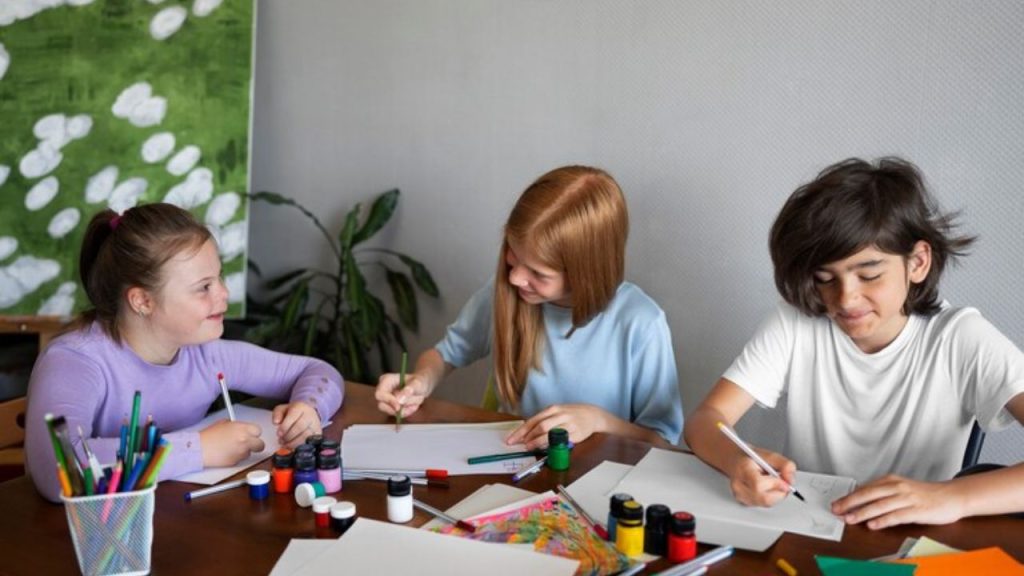
Selecting the right social skills group for an autistic child is a critical decision that can significantly influence their social development and quality of life.
Here are key factors parents should consider to ensure they choose a group that best fits their child’s needs and contributes positively to their growth.
Qualifications of the Facilitators
The expertise and qualifications of those leading the social skills group are paramount:
Look for groups facilitated by professionals with specialized training in autism spectrum disorders, such as licensed psychologists, certified behavior analysts, or experienced special education teachers.
Ensure the facilitators have specific experience working with autistic children. They will likely be more understanding of and skilled in handling the unique challenges these children face.
Inquire about the teaching methods used. Effective social skills groups should use evidence-based practices tailored to autistic learners, such as Applied Behavior Analysis (ABA), Social Stories, or role-playing.
Structure of the Sessions
The way social skills groups are structured can have a significant impact on their effectiveness:
Smaller groups are often better for autistic children as they allow for more individual attention and less overwhelming social interaction.
Consider whether the session length and frequency are appropriate for your child’s age and attention span. Consistent, shorter sessions are more effective than less frequent, longer ones.
Look for a structured curriculum that progresses logically and builds on previously learned skills. The curriculum should include concrete, clear objectives for each session.
Age and Needs Compatibility
The compatibility of the group with your child’s age and specific needs is crucial:
Ensure the group is age-appropriate, as different social skills are relevant at different developmental stages.
The group should cater specifically to the needs of autistic children, taking into consideration their common social challenges. If your child has additional needs, such as sensory sensitivities or non-verbal communication, check that these will be accommodated.
Consider the dynamics of the other participants. Children grouped by social skill level rather than age or diagnosis often achieve better outcomes.
Feedback from Other Parents
Insights from other parents who have had their children attend the group can be invaluable:
Ask for testimonials or contact information for other parents who can share their experiences.
Check online parenting forums, social media groups, or review sites where parents discuss their experiences with local social skills groups.
Ask the group facilitators for case studies or examples of successes they have had with previous participants. This can provide a realistic expectation of the outcomes for your child.
Final Words
Enrolling your child in a social skills group is a courageous step and a testament to your love and support. Remember, the journey of social learning is ongoing. Celebrate your child’s progress, however small it may seem.
Encourage them to apply the skills they’re learning outside of the group, and don’t hesitate to offer gentle reminders and support during those challenging moments.
Finding the right social skills group is essential. Don’t be discouraged if the first group isn’t a perfect match. Keep exploring other options – there’s a group out there waiting to embrace your child and foster their social growth.
Remember, social skills groups are a powerful tool to empower your autistic child. You’re nurturing seeds of friendship, confidence, and a deep sense of belonging by providing them with support, guidance, and opportunities for connection.




