
 By Walker Evans
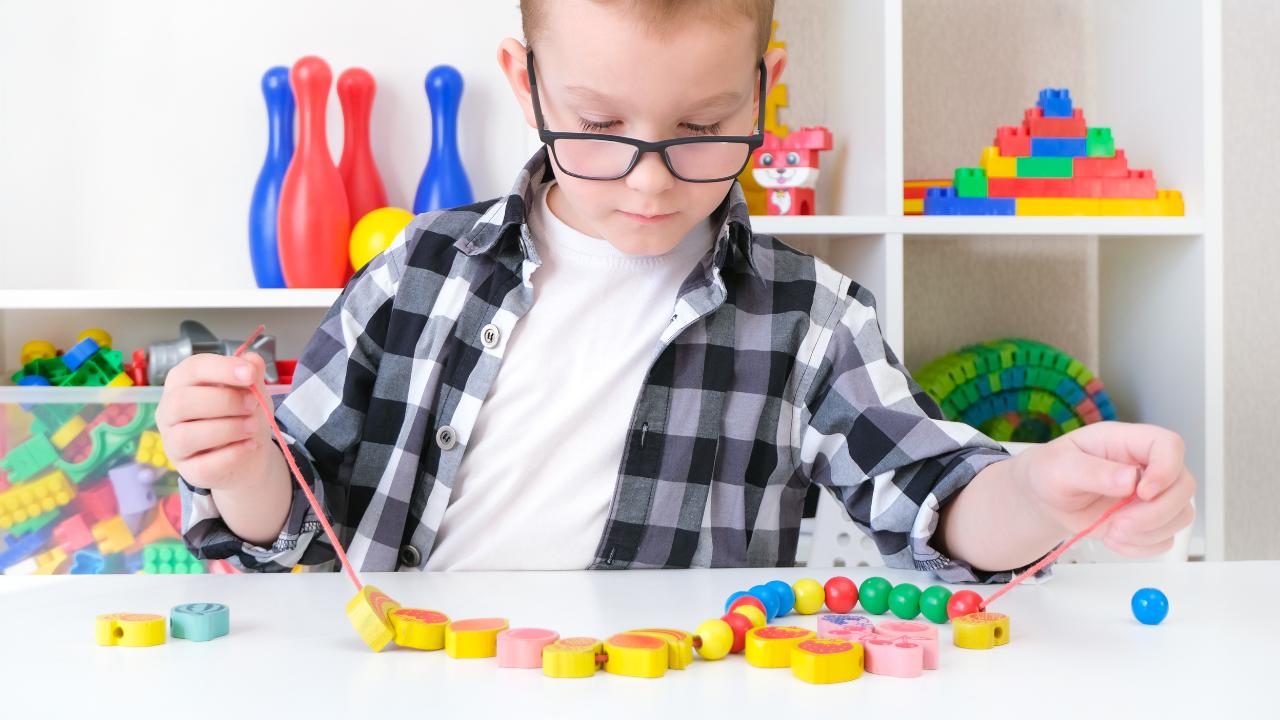
Parenting with autism comes with unique challenges and joys, especially when it comes to finding ways to engage and support your child. Toys can be more than just playthings; they can be therapeutic tools that promote sensory development, encourage social skills, and provide a calming influence. In this post, we’ll explore five tactile toys that children with autism will love, but first, let’s delve into what makes these toys so special.
In our last post, we talked about how parents can build resilience as parents for their autistic children. In this post, we’re going to focus on children with ASD and the toys they will most certainly enjoy playing with. So, if you, as a parent, are looking for what toys would be better for your children, this post will be useful for you.
What Kind of Toys Do Autistic Children Like?
Children with autism often gravitate toward toys that provide sensory stimulation, encourage soothing repetitive motions, or allow them to explore textures and patterns. These toys aren’t just entertaining; they help children develop important motor and social skills while offering comfort and focus.
For example, chewable necklaces made of soft silicone are excellent for children who seek oral sensory input. Sensory bins filled with materials like rice, kinetic sand, or water beads allow children to explore textures in a controlled, engaging way. Weighted toys, such as plush animals or blankets, provide deep pressure stimulation to help children feel calm and secure.
We have talked to parents and educators to share their perspectives and opinions on using different toys for the autistic that we want to share with you.
One parent shared, “When my daughter was introduced to a weighted blanket, it was like magic. She immediately felt more relaxed, and bedtime became a breeze.” These small but impactful items can truly transform daily routines and foster independence.
Pro Tip: Observe your child’s preferences. Do they enjoy squishing, stretching, or spinning? Their natural inclinations can guide you toward toys they’ll love.
What Objects Do Autistic People Like?
It’s not just toys that capture the interest of autistic individuals. Everyday objects with unique textures, shapes, or sensory properties can also become favorites. Stress balls, smooth stones, or even textured blankets are simple yet powerful tools for sensory engagement.
One mother shared that her son loved collecting smooth, round stones during nature walks. “He’d keep them in his pocket and rub them when he felt overwhelmed,” she said. Another parent mentioned that their child found joy in running their fingers through ribbons. These objects, though not traditional toys, can offer grounding and comfort, making them valuable parenting resources for ASD.
Digital sensory tools are also gaining popularity. Devices like tablets with tactile screens or apps designed for sensory play are showing promising results in improving communication skills and social interactions. These tools are perfect for on-the-go calming strategies and also introduce children to technology in a beneficial way.
Why Do Autistic People Love Toys?
Toys serve multiple purposes for children with autism. They can provide sensory feedback, help with emotional regulation, and even open doors to social interactions. For instance, a fidget toy for ADHD might help a child stay focused during tasks or soothe themselves in overstimulating environments.
A recent study highlights the potential of using digital sensory toys as therapeutic tools for children with autism. Preliminary results suggest that digital sensory toys can engage children with autism, helping them improve their social interactions and communication skills. This groundbreaking research underscores the importance of choosing the right toys for your child’s developmental journey.
Moreover, toys can serve as bridges to bond with peers. Shared play, even with something as simple as a sensory ball, can encourage communication and understanding among children. One parent said, “My son started interacting with his cousin over kinetic sand. It was the first time I saw them playing together, and it melted my heart.”
What Materials Do Autistic People Like?
The material of a toy can make or break its appeal for children with autism. Preferred materials often include soft silicone, velvety fabrics, and items that are squishy, stretchy, or firm yet pliable. These textures provide soothing sensory input that many children find irresistible.
At So Special Too, you can find toys made from these materials, like silicone chew toys, velvety weighted blankets, and squishy stress relief balls. Parents often find that these materials are not only durable but also easy to clean, making them practical choices for daily use.
One educator shared her experience of using textured toys in the classroom: “The squishy stress balls were an instant hit. They not only helped students concentrate but also reduced fidgeting and anxiety during lessons.”
How Can Tactile Toys Support Sensory Development?
Tactile toys are instrumental in helping children with autism improve their sensory processing skills. By engaging their sense of touch, these toys encourage children to explore different textures, temperatures, and resistances in a safe and enjoyable way.
For example, textured puzzles not only provide sensory input but also support problem-solving and fine motor skills. Kinetic sand allows children to explore creative play while offering a calming, grounding experience. These toys can also serve as tools to help children transition between activities or self-soothe during stressful moments.
Parents report that introducing these toys has had a noticeable impact on their child’s behavior. “Since we started using tactile toys, meltdowns have decreased significantly. My son feels more in control,” one parent noted.
What Are the Benefits of Tactile Toys for Parents and Educators?
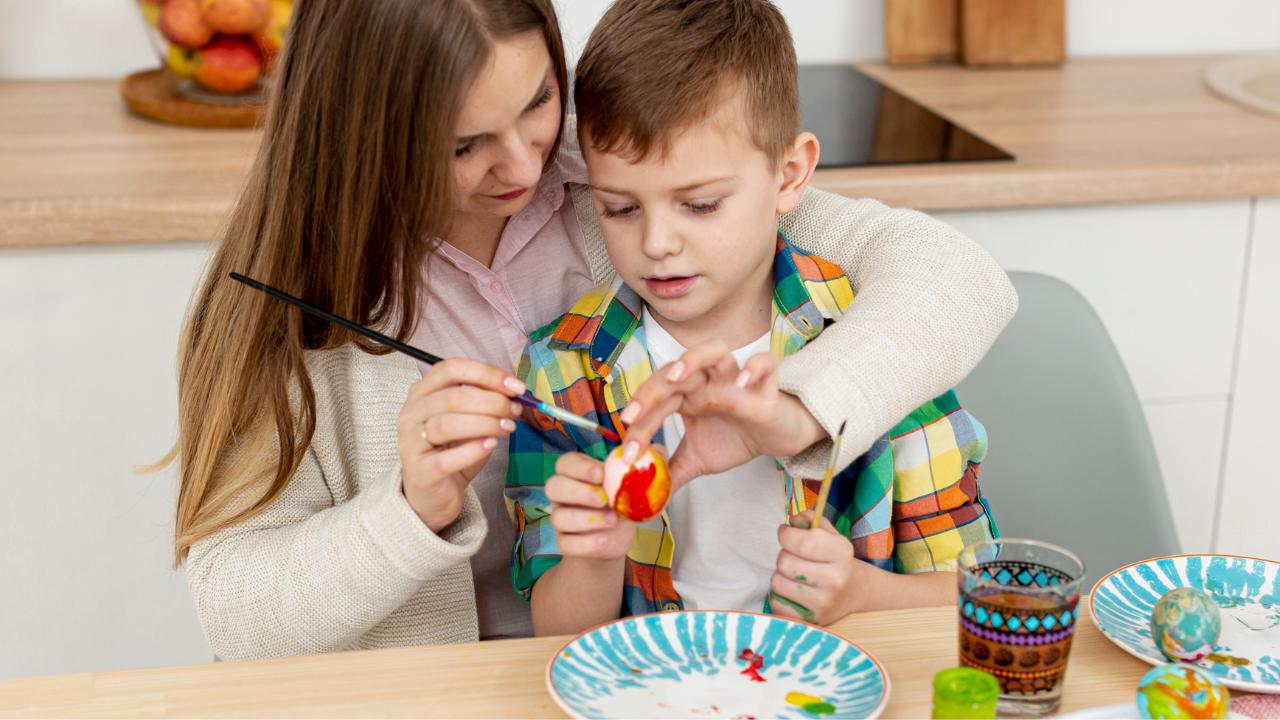
For parents and educators, tactile toys are invaluable tools for fostering connection, learning, and emotional regulation. Weighted lap pads, for instance, can help children focus during lessons or storytime. Sensory play kits can make it easier to introduce new textures and experiences in a controlled environment.
Parents often find that tactile toys double as effective parenting resources for ASD, providing a way to bond with their children while supporting their developmental needs. Educators, too, can use these toys to create inclusive classrooms that cater to diverse sensory needs.
One educator shared: “Having a sensory corner with tactile toys has transformed how I manage my classroom. Students who need a break can self-regulate and return to learning more focused.”
5 Tactile Toys Every Child with Autism Will Love
Listen up! Not every child will like the same toys like Barbie dolls or G. I. Joe action figures, and that’s okay! This is why we suggest these curiously awesome toys for your shining little star.
1. Chewable Necklaces
Made of soft silicone, these necklaces are perfect for children who need oral sensory input. They come in fun shapes and colors, making them both functional and fashionable.
2. Weighted Plush Animals
These cuddly companions provide deep pressure stimulation, helping children feel calm and secure during transitions or stressful moments. (We recommend it!)
3. Kinetic Sand
A sensory play favorite, kinetic sand is soothing to the touch and perfect for creative play. It’s also easy to clean up, making it a hit with parents.
4. Textured Stress Balls
These squishy, squeezable balls offer a satisfying sensory experience and are great for improving hand strength and focus.
5. Velvety Weighted Blankets
A staple for many families, weighted blankets provide comfort and deep pressure stimulation, making bedtime or quiet time more peaceful.
Conclusion
Toys are more than just playthings for children with autism—they’re tools for growth, comfort, and connection. By choosing the right tactile toys, you can support your child’s sensory and emotional needs while creating moments of joy and discovery.
Now, even research supports the use of sensory toys, what’s stopping you from buying one for your kid? Discover the joy of tactile play with our specially curated toys at So Special, Too! Whether you’re a parent or educator, find products designed to inspire, calm, and support children with autism. Start exploring our collection today and make playtime extraordinary!
Stay tuned for age-wise sensory toy recommendations coming up in the future!




