
 By Walker Evans
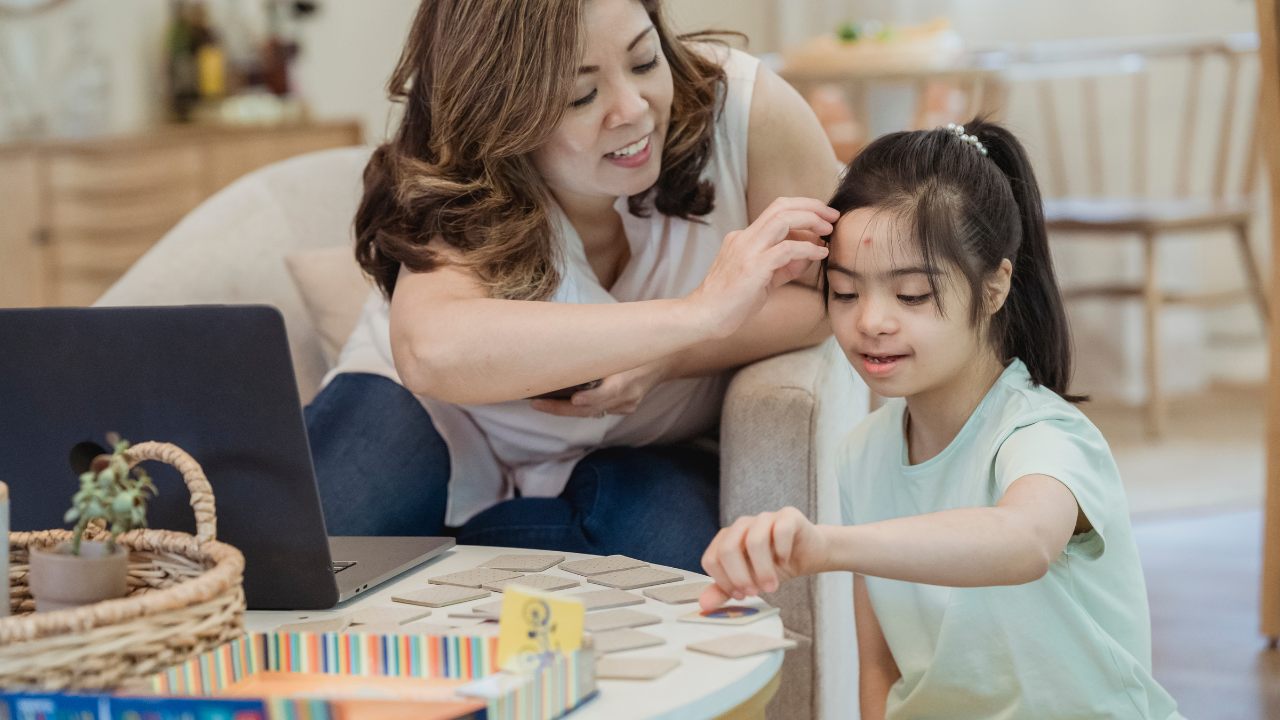
Finding the right behavioral services can be confusing and overwhelming for parents with an autistic child. It’s like solving a complicated puzzle. To make it easier, it’s essential to understand what your child needs and which services can best address those needs.
Understanding each service’s role and benefits becomes crucial with various options like Applied Behavior Analysis (ABA), speech therapy, and occupational therapy. This comprehensive guide is tailored for parents in Ontario, aiming to demystify autism behavioral services and empower you with knowledge.
We’ll explore the essence of these services, their objectives, and how they can significantly impact your child’s development and daily life.
Whether you’re at the beginning of your journey or looking to enhance your child’s current therapy plan, this guide offers insights into making informed decisions and ensuring your child receives the support they need to thrive.
Autism Behavioral Services: An Overview
Autism behavioral services are a cornerstone in supporting the development and well-being of children with autism.
These services are designed to address children’s unique challenges on the autism spectrum, focusing on improving their communication, social skills, and adaptive behaviors. By tailoring interventions to meet each child’s specific needs, autism behavioral services play a crucial role in helping children achieve their full potential.
Types of Autism Behavioral Services
Among the most recognized and impactful autism behavioral services are Applied Behavior Analysis (ABA), Speech Therapy, and Occupational Therapy. Each of these services targets different aspects of autism, offering a comprehensive approach to support and intervention.
- Applied Behavior Analysis (ABA) is a therapy based on the science of learning and behavior. ABA therapy programs can help increase language and communication skills, improve attention, focus, social skills, memory, and academics, and decrease problem behaviors. The therapy involves understanding how behavior works, how behavior is affected by the environment, and how learning takes place. ABA is highly flexible and can be adapted to meet the needs of each unique individual.
- Speech Therapy is essential for children with autism who may struggle with communication. It aims to improve their ability to express themselves verbally and understand what is being said to them. Speech therapists work on various skills, including articulation, language comprehension, and non-verbal communication techniques, such as sign language or picture boards. This therapy enhances the child’s ability to communicate their needs and desires and supports their social interaction skills.
- Occupational Therapy (OT) focuses on improving a child’s ability to perform daily activities. For children with autism, OT can address sensory processing issues and motor skills and help develop life skills for greater independence. Occupational therapists provide strategies to manage sensory sensitivities, improve coordination and fine motor skills, and teach tasks such as dressing, eating, and grooming. By working on these skills, OT helps autistic children navigate their daily lives more effectively and confidently.
Goals and Benefits of Autism Behavioral Services
The goals and benefits of these services are vast, encompassing the enhancement of a child’s ability to interact with the world around them, the development of essential life skills, and the reduction of behaviors that may interfere with learning and socializing.
Through personalized treatment plans, children with autism can make significant strides in their development, leading to improved outcomes in school and beyond.
Applied Behavior Analysis (ABA)
Applied Behavior Analysis (ABA) stands as a cornerstone in autism behavioral services, offering a scientifically validated approach to understanding and improving behaviors in children with autism.
ABA is grounded in the theory that the environment influences behavior and that desired behaviors can be taught through rewards and consequences.
What is ABA?
ABA therapy involves applying techniques and principles to bring about meaningful and positive changes in behavior, focusing on improving specific behaviors such as social skills, communication, reading, and adaptive learning skills like fine motor dexterity, hygiene, grooming, domestic capabilities, punctuality, and job competence.
ABA is highly individualized, with programs designed to meet the unique needs of each child. It’s a flexible treatment, adaptable to various settings, including at home, in schools, and in the community.
Benefits of ABA for Children with Autism
The benefits of ABA for children with autism are manifold. By breaking down complex skills into smaller, more manageable steps, ABA makes learning more accessible to children with autism. This systematic approach allows for the reinforcement of behaviors through positive feedback, encouraging children to repeat these behaviors.
Over time, ABA can significantly improve communication and social interactions, decrease problematic behaviors, and increase independence.
Real-life examples abound where ABA has transformed the lives of children with autism. For instance, consider the case of a young boy who, before starting ABA, had minimal verbal communication and frequent tantrums due to frustration.
Through consistent ABA sessions, he gradually began using words to express his needs, dramatically decreasing tantrums and increasing positive social interactions with peers and family members.
Tailoring ABA Programs to Individual Needs
Customizing ABA programs to meet each child’s needs is a critical aspect of its success. Before the initiation of therapy, a detailed assessment is conducted to identify specific behavioral goals.
These goals are then pursued through structured ABA sessions, where progress is meticulously tracked, and strategies are adjusted to ensure continuous improvement.
ABA therapists work closely with families to ensure that strategies align with the child’s natural environment, making the learning process as organic as possible.
This collaboration between therapists and families is crucial for reinforcing learned behaviors outside of therapy sessions, ensuring that improvements are maintained and built upon in the child’s everyday life.
Speech Therapy for Autism
Speech therapy is essential to autism care, focusing on enhancing communication skills crucial for effective interaction and social integration.
For children with autism, speech therapy goes beyond teaching them how to articulate words; it encompasses a broad spectrum of communication challenges, including verbal and non-verbal communication, understanding and processing verbal cues, and improving social skills.
The Role of Speech Therapy in Autism Care
Speech therapy for children with autism is tailored to address their unique needs. It often involves a detailed speech-language pathologist (SLP) assessment to identify specific communication challenges and develop a personalized therapy plan.
The therapy sessions are designed to be engaging and interactive, utilizing play-based activities and visual aids to stimulate language development and social communication.
Common Goals of Speech Therapy
The goals of speech therapy for children with autism include, but are not limited to:
- Enhancing Verbal Communication: For non-verbal children or those with limited speech, therapy aims to develop basic speech skills or alternative means of communication, such as sign language or communication devices.
- Improving Understanding of Verbal Cues: This involves helping children understand instructions, questions, and the flow of everyday conversation.
- Expanding Vocabulary: Speech therapy broadens the range of words a child understands and uses, facilitating more effective communication.
- Social Communication Skills: Therapy sessions often focus on pragmatic language skills, such as taking turns in conversation, understanding social cues, and learning to initiate and maintain interactions.
Tips for Parents Supporting Speech Therapy Goals at Home
Parents play a critical role in reinforcing the skills learned during speech therapy sessions. Here are some tips to support your child’s speech therapy goals at home:
- Create a Communicative Environment: Engage your child in activities that encourage communication. Use everyday situations as opportunities for learning, such as mealtime or playtime.
- Use Visual Supports: Visual aids can help autistic children understand and process information. Consider using picture schedules, flashcards, or storybooks to support language development.
- Model Clear Speech: Speak clearly and use simple language when communicating with your child. Repeat and expand on what your child says to model more complex language structures.
- Encourage Non-Verbal Communication: For children who are non-verbal or have limited speech, encourage the use of gestures, sign language, or picture exchange communication systems (PECS) to express needs and desires.
- Read Together: Reading with your child can significantly enhance their language comprehension and vocabulary. Choose books that are engaging and appropriate for your child’s developmental level.
Incorporating these strategies into your daily routine can significantly enhance the effectiveness of speech therapy, contributing to your child’s overall communication skills and confidence. Remember, every child’s progress is unique, and celebrating small achievements can make a significant difference in their developmental journey.
Occupational Therapy in Autism Care
Occupational therapy (OT) is pivotal in supporting autistic children by enhancing their ability to perform daily activities, improving motor skills, and addressing sensory processing issues.
It’s tailored to meet the unique needs of each child, focusing on practical skills that foster independence and participation in daily life.
Understanding Occupational Therapy
Occupational therapy for children with autism is designed to improve their quality of life at home, in school, and the community.
OT practitioners work closely with children to develop or improve skills for daily activities, such as dressing, eating, and interacting with peers. The therapy is goal-oriented, with objectives set to address the specific challenges faced by each child.
Addressing Sensory Processing Issues
Many autistic children experience sensory processing difficulties, finding specific sensory inputs overwhelming or seeking out sensory experiences. Occupational therapists use a variety of strategies and tools to help children regulate their sensory needs.
This may involve sensory integration therapy, where children are exposed to sensory stimuli in a structured, repetitive way, helping them learn to respond more effectively to sensory information.
Enhancing Motor Skills
Occupational therapy also focuses on developing fine and gross motor skills. Fine motor skills are crucial for writing, using utensils, and buttoning clothes, while gross motor skills are essential for running, jumping, and climbing.
Through targeted exercises and play-based activities, OT can help children improve their coordination and motor skills, contributing to greater independence.
Facilitating Daily Living Activities
OT practitioners work with children to master daily living activities essential for independence. This includes personal hygiene, dressing, feeding, and safety skills.
By breaking down these activities into manageable steps and practicing them in a supportive environment, children can gain confidence and competence in their ability to care for themselves.
Incorporating Occupational Therapy Techniques into Daily Routines
Parents and caregivers can extend the benefits of occupational therapy by incorporating OT techniques into the child’s daily routine. Here are some suggestions:
- Create a Sensory-Friendly Environment: Adapt your home to your child’s sensory needs. This might include creating quiet spaces, using sensory toys, or incorporating textures your child finds comforting.
- Practice Skills in Real-Life Situations: Use everyday activities as opportunities to practice skills learned in OT. For example, involve your child in meal preparation to practice fine motor skills or plan outings to encourage social interaction.
- Establish Routines: Consistent routines can help children with autism feel more secure and improve their ability to perform daily activities. Visual schedules can be particularly helpful in establishing routines.
- Stay Collaborative: Work closely with your child’s occupational therapist to understand the strategies and how you can support your child’s development at home.
You can play a crucial role in their progress by understanding and actively participating in your child’s occupational therapy. Occupational therapy offers a holistic approach to addressing the challenges faced by children with autism, promoting independence, confidence, and a higher quality of life.
Choosing the Right Autism Behavioral Service for Your Child
Selecting the proper autism behavioral service for your child is a pivotal decision that can significantly influence their development and quality of life.
Understanding the factors to consider, the importance of a multidisciplinary approach, and the right questions to ask service providers will ensure that you choose a service that best meets your child’s unique needs.
Factors to Consider
When selecting a behavioral service for your child, several vital factors should guide your decision:
- Child’s Specific Needs: Consider your child’s unique challenges and strengths. Some services might specialize in non-verbal autism, while others may focus on developing social skills.
- Therapist Qualifications: Look for therapists who are not only certified and experienced in autism care but also have a track record of working with children who have needs similar to your child’s.
- Therapy Goals: Ensure that the service’s approach aligns with your goals for your child. Whether improving communication skills, reducing problematic behaviors, or enhancing social interaction, the service should offer clear strategies to achieve these objectives.
The Importance of a Multidisciplinary Approach
Autism affects various aspects of a child’s development, making a multidisciplinary approach essential. This approach involves a team of professionals from different backgrounds, including behavioral therapists, speech therapists, occupational therapists, and sometimes psychologists or psychiatrists, working together to address the child’s comprehensive needs.
Collaborating with a team ensures that all aspects of your child’s development are supported, providing a more holistic and effective intervention.
Questions to Ask Service Providers
To ensure a good fit for your child, consider asking potential service providers the following questions:
- What is your experience with children who have needs similar to my child’s?
- Can you describe your approach to autism therapy and how it can help my child?
- How do you measure progress, and how often will we review my child’s development?
- Can you provide examples of how you’ve helped other children improve?
- How do you involve parents and caregivers in the therapy process?
- What is your policy on handling challenging behaviors?
- How do you coordinate care with other professionals in my child’s development?
Choosing the proper autism behavioral service is a deeply personal decision that requires careful consideration and research.
By focusing on your child’s specific needs, seeking a multidisciplinary team, and asking thorough questions, you can find a service that meets your child’s needs and supports your family.
Remember, the proper service can significantly impact your child’s progress and well-being.
Creating a Home Environment That Complements Autism Behavioral Services
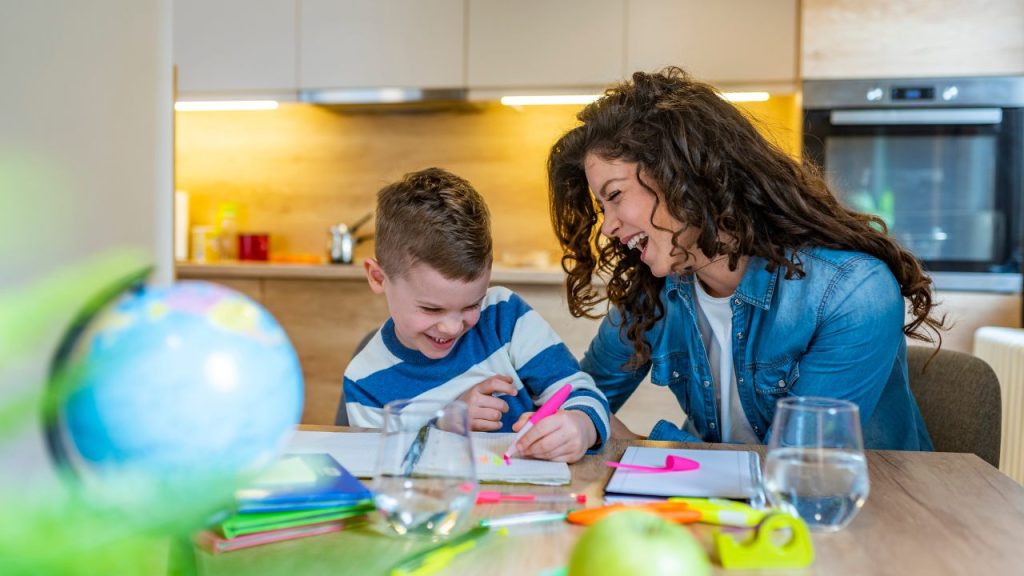
Creating a home environment that complements and reinforces the objectives of autism behavioral services is essential for maximizing the benefits of therapy.
By adapting your living space to support therapy goals, creating sensory-friendly areas, and involving the whole family in therapeutic activities, you can provide a nurturing and supportive environment that encourages your child’s progress and development.
Adapting Your Home to Support Therapy Goals
To make your home a supportive space for your child’s therapy goals, consider the following tips:
- Designate Therapy-Focused Areas: Set aside specific areas in your home for therapy activities. These spaces should be free of distractions and equipped with the necessary materials for therapy sessions or practice.
- Visual Schedules and Organizers: Use visual schedules, charts, and organizers to help your child understand daily routines and expectations. These tools can reinforce the structure and predictability that many children with autism find comforting.
- Incorporate Therapeutic Play: Fill your home with toys and games that support therapeutic goals, such as puzzles for problem-solving, sensory bins for sensory exploration, and social stories for understanding social cues.
Creating Sensory-Friendly Spaces and Routines
Sensory processing differences are common in children with autism, making sensory-friendly environments crucial:
- Sensory Rooms or Corners: Create a sensory-friendly space in your home where your child can relax and regroup. This area includes weighted blankets, soft lighting, noise-canceling headphones, and tactile toys.
- Routine Sensory Activities: Incorporate sensory activities into your daily routine to help your child manage sensory sensitivities and improve sensory processing. Activities can range from tactile play with different textures to listening to calming music.
Engaging the Whole Family in Therapy Goals and Activities
Involving the entire family in therapy goals and activities fosters a cohesive and supportive environment:
- Family Education: Ensure all family members understand the therapy goals and their reasons. Knowledge empowers everyone to contribute positively to the child’s development.
- Inclusive Activities: Choose family activities that align with therapy objectives and allow everyone to participate. This approach supports your child’s therapy goals and strengthens family bonds.
- Consistent Routines and Expectations: Maintain consistency in routines and expectations across all family members. Consistency helps reinforce the skills and behaviors being developed through therapy.
Creating a home environment that complements autism behavioral services requires thoughtfulness and adaptability.
By making your home a supportive space, incorporating sensory-friendly elements, and involving the whole family in therapeutic efforts, you can create a nurturing environment that significantly enhances your child’s development and well-being.
Final Words
Understanding autism behavioral services is a vital step in supporting your child’s journey with autism.
From Applied Behavior Analysis (ABA) to speech and occupational therapy, each service offers unique benefits that can significantly enhance your child’s development and quality of life.
By carefully selecting the right services, considering a multidisciplinary approach, and creating a supportive home environment, you can provide a solid foundation for your child’s growth and learning.
Remember, you’re not alone in this journey. With the correct information and support, you can navigate the world of autism behavioral services and help your child achieve their full potential.




