
 By Walker Evans

Creating a serene and comforting home environment is more than a luxury for families with autistic children; it’s a necessity. The right atmosphere can significantly enhance the well-being and sensory experience of an autistic individual.
In this blog post, we’ve gathered some proven gift ideas that can help make a living space more comfortable and peaceful.
These gifts are carefully chosen with the sensory needs of autistic children in mind. They include weighted blankets that provide a gentle embrace and ambient lighting that creates soothing hues.
If you’re looking for gift ideas for a loved one, these suggestions will help you show your support and care. They can help create a peaceful and nurturing environment. Whether you’re a parent, relative, or friend, these ideas are for you.
Understanding Sensory Needs in Autism
Unique sensory processing characteristics often accompany autism. Some individuals may experience hypersensitivity, finding certain textures, sounds, or lights overwhelmingly intense.
Others might be hypersensitive, seeking out more sensory input to feel comfortable. Understanding these sensory activities and preferences is crucial in creating a living environment that feels safe and soothing for autistic individuals.
Impact on Daily Life at Home
Sensory sensitivities can significantly impact comfort and behavior at home. A child hypersensitive to noise might find the sound of a vacuum cleaner distressing, while another who craves sensory input might constantly touch objects or seek physical pressure.
Recognizing these needs allows for adjustments in the home to accommodate their sensory preferences, making everyday activities more manageable and less stressful.
Creating a Sensory-Friendly Environment
A sensory-friendly environment is tailored to reduce sensory triggers and provide comforting sensory experiences. This might involve minimizing clutter to reduce visual overload, using soft lighting to soothe hypersensitivity to bright lights, or incorporating textured rugs or furniture for tactile stimulation.
The goal is to create spaces that feel secure and calming, catering to the unique sensory needs of the autistic individual.
The Role of Sensory Tools and Toys
Incorporating sensory tools and toys can be a practical way to address sensory needs. Items like weighted blankets provide comforting pressure, sensory swings offer vestibular input, and fidget toys provide calming tactile stimulation.
These tools enhance comfort, help manage anxiety, and improve focus.
Personalizing the Space
Personalizing the living space to reflect the autistic individual’s preferences and interests can further enhance comfort.
This might include using their favorite colors in room decor, setting up a dedicated area for their hobbies, or having a particular corner with their preferred sensory items. A personalized space can be a sanctuary that offers both comfort and a sense of ownership.
Involving the Individual in the Process
Whenever possible, involve the autistic individual in creating a sensory-friendly environment. This can be through choosing items for their room, deciding on colors, or selecting sensory tools.
Involvement in these decisions ensures their needs are met and gives them a sense of control and independence.
Seeking Professional Advice
If you’re unsure about how best to meet the sensory needs of your autistic loved one, don’t hesitate to seek advice from professionals.
Occupational therapists specializing in sensory integration can provide valuable insights and recommendations tailored to individual needs.
Weighted Blankets for Comfort and Security
Weighted blankets help create a cozy and calming environment that can help autistic individuals feel secure and comfortable.
These blankets can enhance relaxation and improve sleep quality by stimulating deep pressure. When selecting the right weighted blanket, it’s essential to consider its weight, material, and safety to ensure it meets your loved one’s unique needs and preferences.
The Soothing Power of Weighted Blankets
Weighted blankets have gained popularity in the autism community for their ability to provide comfort and security. These blankets, filled with materials like plastic pellets or glass beads, offer gentle, even pressure across the body, akin to a firm hug.
This pressure can be incredibly soothing for autistic individuals, particularly those who experience sensory processing challenges. The deep-pressure stimulation weighted blankets promote relaxation, reduce anxiety and improve sleep quality.
Understanding Deep Pressure Stimulation
Deep pressure stimulation, the principle behind weighted blankets, provides proprioceptive input – the sense of body awareness.
For many autistic individuals, this input can be calming, helping to regulate the sensory system. It’s akin to the feeling of being swaddled, which can be particularly beneficial during stress or sensory overload.
Choosing the Right Weight
It is crucial to select the right weight for a weighted blanket. A general guideline is to choose a blanket that is approximately 10% of the user’s body weight plus a pound or two.
However, personal preference plays a significant role. It’s essential to ensure the weight is comfortable and not too overwhelming. Some companies offer customizable weights to suit individual needs.
Material Matters
Another important consideration is the weighted blanket’s material. Many are made with breathable fabrics like cotton, ideal for those who overheat.
Others prefer the softness of minky or fleece materials for additional sensory comfort. As the blanket will likely be used frequently, look for durable and easy-to-clean materials.
Safety First
Safety is paramount when using weighted blankets, especially for children. Ensure the blanket is not too heavy to move independently and doesn’t cover the face or restrict breathing.
It’s always recommended to consult with a healthcare professional, particularly for younger children, to determine if a weighted blanket is suitable.
Trial and Adaptation
If you’re considering a weighted blanket for your autistic loved one, it might be worth trying before purchasing. Some companies offer trial periods, or you might find weighted blankets in sensory-friendly stores or therapy centers.
Observe how your loved one responds to the blanket – some might find immediate comfort, while others may take time to adjust.
A Thoughtful Gift
A weighted blanket can be a thoughtful and practical gift for an autistic individual. It shows understanding and consideration of their sensory needs. When gifting a weighted blanket, include a note explaining its benefits and how to use it safely, making it a significant present.
Sensory-Friendly Furniture Choices
Choosing sensory-friendly furniture is about creating a space that feels safe, comfortable, and tailored to the sensory needs of autistic individuals. From bean bag chairs to enclosed spaces, each piece of furniture can contribute to a calming and supportive environment, making the home a true sanctuary.
The Importance of Sensory-Friendly Furniture
The right furniture can significantly improve the comfort and sensory experience of individuals with autism at home.
Sensory-friendly furniture is designed to provide a safe, comfortable space that caters to various sensory needs, such as deep pressure, soft textures, or a secure, enclosed feeling.
Bean Bag Chairs: Comfort and Security
Bean bag chairs are a popular choice for sensory-friendly furniture. Their soft, malleable nature allows individuals to sink in, providing security and comfort.
The pressure exerted by the beans can offer proprioceptive feedback, which is calming for many autistic individuals. When choosing a bean bag chair, look for durable, easy-to-clean materials and consider the size to ensure it’s appropriate for the user’s age and weight.
Soft Rockers: Soothing Motion
Soft rockers can be an excellent addition to a sensory-friendly space. Their gentle rocking motion can be soothing and help with self-regulation.
Many soft rockers are designed with additional padding and shapes that offer a more enclosed, secure feeling. For added safety, look for rockers with low center-of-gravity to prevent tipping.
Enclosed Spaces: A Personal Retreat
Enclosed furniture pieces, like tents, canopies, or pod chairs, create a personal retreat space where autistic individuals can relax and decompress. These spaces can be especially beneficial for those who get overwhelmed easily and need a quiet, private area.
To make these spaces more inviting, you can personalize them with soft lighting, comfortable cushions, and favorite items.
Sensory Tables: Tactile Exploration
Sensory tables are an excellent way to provide tactile sensory input. They can be filled with various materials, such as sand, water beads, or rice, and offer a fun and therapeutic way to explore different textures.
Sensory tables can be particularly beneficial for children who seek or avoid specific tactile experiences.
Safety and Durability Considerations
Safety and durability are vital considerations when selecting sensory-friendly furniture. Ensure that the furniture is stable, made of non-toxic materials, and doesn’t have sharp edges or small parts that could be a hazard.
Choosing furniture that can withstand frequent use and is easy to clean is also essential.
Involving Your Child in the Choice
If possible, involve your autistic loved one in the selection process. This can help ensure that the furniture meets their sensory preferences and makes them feel more connected to their space.
Pay attention to their reactions to different textures, shapes, and types of furniture to guide your choices.
Ambient Lighting to Soothe and Calm
Proper lighting is essential for making a living space more comfortable and calming for autistic individuals.
By using dimmable lights, lamps that change colors, or light projectors, you can create an environment that not only soothes but also caters to your loved one’s unique sensory needs.
Understanding the Impact of Lighting
Lighting is crucial in creating a calming environment, especially for autistic individuals who may be sensitive to sensory stimuli.
The proper lighting can reduce stress and anxiety, helping create a safe and comfortable space. It’s not just about the brightness of the light but also its color, intensity, and how it interacts with the surroundings.
Dimmable Lights for Controlled Brightness
Dimmable lights are an excellent choice for adjusting the brightness in a room according to specific needs and times of the day.
Control of the light intensity can help reduce sensory overload and create a soothing atmosphere. For bedrooms and relaxation areas, softer, warmer lights can promote a sense of calm and aid in better sleep.
LED Color-Changing Lamps
LED color-changing lamps offer the flexibility to alter the lighting color based on mood and activity.
Colors like blue and green are known for their calming effects, while warmer tones can create a cozy, comforting environment. These lamps can be handy in sensory rooms or areas designated for relaxation and de-escalation.
Light Projectors for a Soothing Visual Experience
Light projectors can transform a room into a tranquil space with their gentle, moving patterns.
Projectors that display soft waves, stars, or nature-inspired scenes can provide a visual escape and are often used in sensory rooms. They can be accommodating during bedtime routines or relaxation sessions.
Creating a Sensory-Friendly Lighting Scheme
When designing a lighting scheme for a sensory-friendly space, consider incorporating multiple lighting options.
Layering different types of lighting, such as ambient, task, and accent lighting, can create a versatile environment that caters to various activities and sensory needs. It’s also important to consider the placement of lights to avoid direct glare, which can be uncomfortable for those with light sensitivity.
Personalizing Lighting Choices
Every individual with autism has unique preferences and sensitivities. Personalizing lighting choices to match these preferences can significantly affect their comfort level.
Pay attention to how different lighting affects their mood and behavior, and adjust accordingly. This might involve experimenting with other bulbs, shades, or lamp placements.
Safety and Ease of Use
Safety and ease of use are important considerations when selecting lighting options. Look for lights that are easy to operate, such as those with remote controls or smart home compatibility.
Ensure that all lighting fixtures are securely installed and that any cords are safely out of the way to prevent tripping hazards.
Creating a Sensory Corner or Room
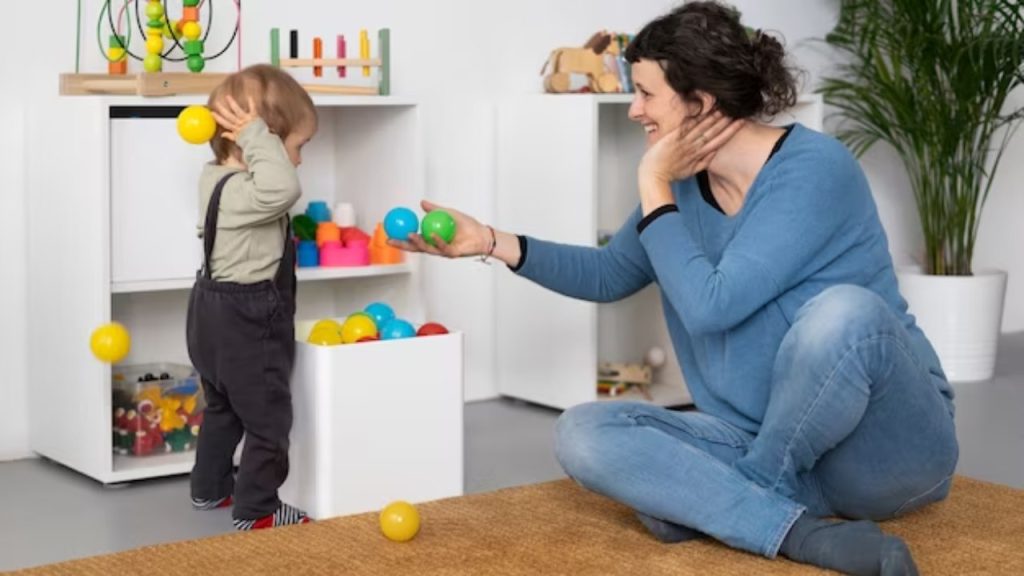
If you have a family member or friend with autism, creating a sensory corner or room in your home could be a great idea. This space caters to their sensory needs, providing a haven from the challenges of the outside world, and can work as complementary to a sensory gym.
With careful consideration of the elements at hand, such as plush mats, textured panels, white noise machines, and soothing illumination, you can curate a sensory experience that is both comfortable and engaging.
The Concept of a Sensory Space
Creating a dedicated sensory space in the home can be a sanctuary for individuals with autism.
This personalized area is designed to meet their unique sensory needs, providing a safe and comforting environment where they can relax, explore, and engage with sensory elements that soothe and stimulate them in a controlled manner.
Choosing the Right Location
Selecting the right spot for a sensory space is the first step. It should be a quiet area of the home, away from high-traffic zones, to minimize distractions and disruptions.
The space doesn’t have to be significant; even a small corner can be transformed into a sensory haven with the correct elements.
Incorporating Soft Mats and Cushions
Soft mats and cushions are essential for a sensory space, providing a comfortable and safe sitting or lying area.
These elements offer a soft tactile experience and can reduce the risk of injury during active play or relaxation. Choose materials that are easy to clean and maintain, and consider hypoallergenic options for those with sensitivities.
Tactile Wall Panels and Interactive Elements
Tactile wall panels come in various textures and designs and can add an interactive element to the sensory space. They encourage exploration and tactile stimulation.
Other interactive elements can include sensory boards or magnetic walls, allowing for creative expression and fine motor skill development.
Gentle Sound Machines for Auditory Stimulation
Sound machines that produce gentle, soothing sounds can be a great addition to a sensory room. Sounds like ocean waves, rain, or soft music can provide auditory stimulation and create a calming atmosphere.
Some sound machines offer a range of options, allowing you to find the perfect sound that resonates with your loved one.
Visual Stimulation with Calming Lights
Incorporating calming lights, such as soft LED strings or fiber optic strands, can provide gentle visual stimulation. These lights can be mesmerizing and soothing, especially in a dimly lit room.
Avoid harsh or flickering lights, as they can be overstimulating for some individuals with autism.
Creating a Theme or Personal Touch
Personalizing the sensory space to reflect the individual’s interests and preferences can make it more inviting and comforting.
Whether it’s a favorite color scheme, a theme based on their interests, or displaying their artwork, these personal touches can make the space feel unique and tailored to them.
Safety and Flexibility
Safety is paramount in a sensory space. Ensure that all elements are securely installed and that there are no sharp edges or choking hazards. The space should also be flexible, allowing for changes and adaptations as the individual’s needs and preferences evolve.
Conclusion
Creating a cozy and calming environment for autistic children is a thoughtful and impactful way to cater to their unique sensory needs.
From the comforting embrace of a weighted blanket to the serene ambiance created by sensory-friendly furniture and lighting, each element plays a vital role in crafting a nurturing space.
These gifts are more than just items; they are a testament to understanding and love, offering comfort, security, and a sense of belonging.
Whether through a dedicated sensory room or simple additions to their living space, these thoughtful choices can significantly enhance the daily experiences of autistic children, making home a haven of tranquility and joy.




