
 By Walker Evans
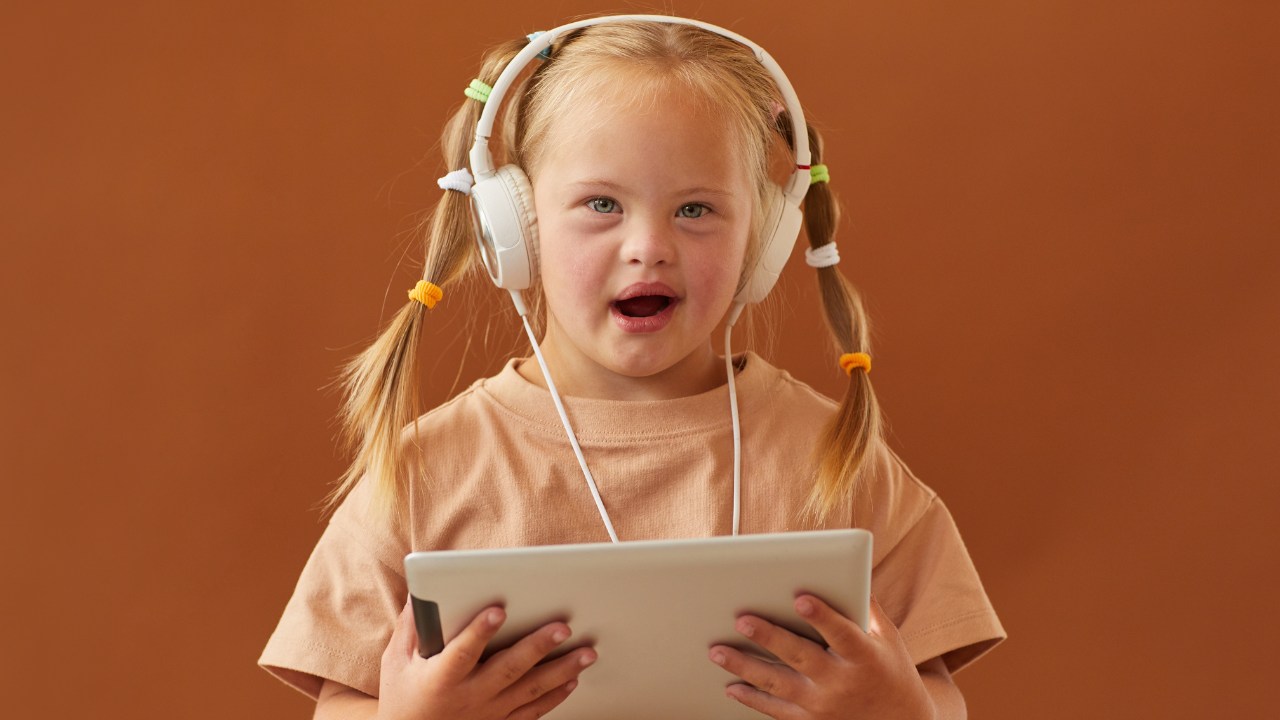
Is your child on the autism spectrum, and have you been curious about the power of music to unlock their potential?
Many parents are discovering the incredible benefits of music therapy for children with autism, and finding the right program can be a game-changer.
In this guide, we’ll explore the world of music therapy, how it can help your child, and, most importantly, how to find the best programs near you. We’ll also look at the different approaches, share success stories, and provide valuable resources to empower you in your search.
Your child deserves every opportunity to thrive, and music therapy could be a key that unlocks new possibilities. Let’s start the journey together and discover the transformative power of music for your child with autism.
Methods Used in Music Therapy
Listening to Music: This can involve listening to live or recorded music, which can calm, stimulate, or engage an individual, depending on their therapeutic needs.
Making Music: This includes playing instruments, singing, or using body movements (like clapping or dancing) to make music. Making music can be particularly empowering for individuals with autism as it allows for creative expression and active participation.
Music Composition: Writing songs or composing music provides a higher level of engagement and can be particularly beneficial for those with advanced musical interests or abilities.
Improvisation: This unstructured approach allows individuals to express themselves musically without formal rules, which can be an excellent way for therapists to assess and interact with an individual’s spontaneous self-expression.
Implementation
Music therapy can be conducted in individual or group settings and is often part of a broader therapeutic program that includes other types of therapy, such as behavioral, speech, or occupational therapy.
Sessions are typically conducted by a board-certified music therapist who has completed an approved music therapy program and understands the unique needs of individuals with autism.
Finding the Right Music Therapy for Autism in Canada
Music therapy has proven to be a valuable tool for supporting children with Autism Spectrum Disorder (ASD), offering benefits across communication, social interaction, cognitive development, and emotional well-being.
If you’re in Canada and looking for the right music therapy services for your child, this guide will help you navigate this process thoughtfully and effectively.
Research Certified Music Therapists
Start by ensuring that the professional you’re considering is certified. In Canada, music therapists are accredited by the Canadian Association of Music Therapists (CAMT).
This organization ensures all members meet specific educational and clinical training standards before certification. The CAMT website has a directory of certified therapists or resources in your province.
Consult Healthcare Providers
Your child’s pediatrician, psychologist, or current therapist might have recommendations for reputable music therapists who specialize in working with children with autism. Healthcare professionals often have networks of therapists and may provide referrals based on your child’s specific needs.
Check Local Autism Organizations and Support Groups
Local and national autism organizations often have lists of resources, including therapy services. Organizations like Autism Canada and provincial groups usually offer resources or can connect you with local services.
Additionally, other parents in autism support groups can share their experiences and recommend music therapists who have worked well for their children.
Consider the Therapist’s Specialization and Experience
Look for a music therapist who has experience specifically with autism. The needs of children on the autism spectrum can vary significantly, and someone who understands these nuances will be better equipped to engage your child effectively.
During your initial inquiries or consultations, ask about their experience with ASD, their approach to therapy, and how they tailor sessions to fit individual needs.
Attend an Initial Consultation
Many therapists offer a first consultation to meet with you and your child. This meeting can be an excellent opportunity to see how the therapist interacts with your child and how your child responds to the therapy environment. It’s also a chance to discuss your goals for therapy and see if the therapist’s approach aligns with your expectations.
Location and Accessibility
Consider the location of the therapy sessions. Since consistency is crucial for the effectiveness of any therapy, ensure the location is convenient enough to support regular attendance. Also, check if the therapist offers virtual sessions, especially relevant to ongoing accessibility concerns or personal preferences.
Evaluate the Environment
When you visit, observe whether the therapy environment seems safe, welcoming, and appropriately equipped to handle sessions that cater to children with sensory sensitivities and other specific needs typical of ASD.
Insurance and Costs
Inquire about the cost of therapy sessions and whether they are covered under your health insurance or any governmental or nonprofit funding programs available in your province. Some provinces may offer support under specific health plans or through autism funding programs.
How Does Music Therapy Help Children With Autism?
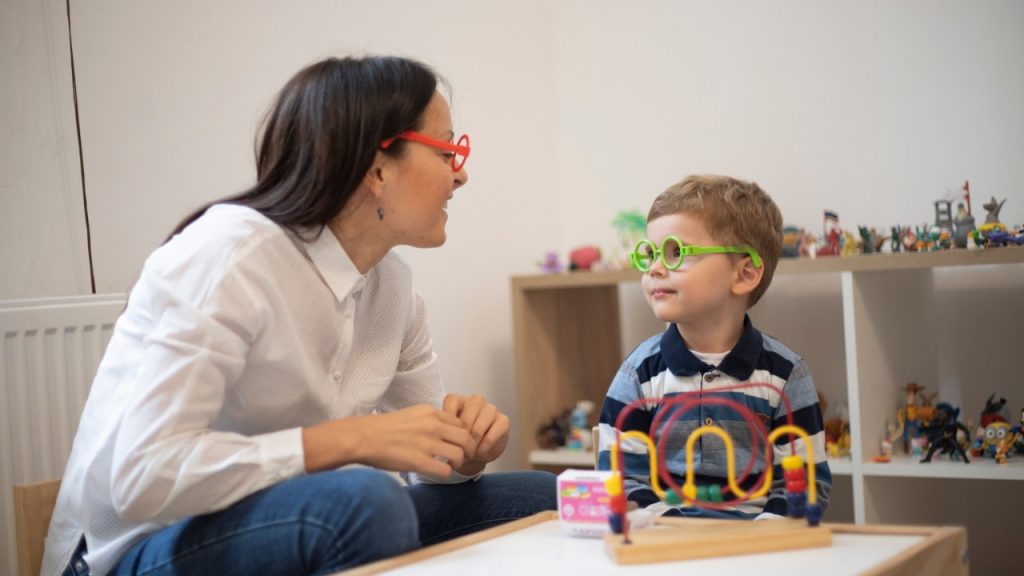
Music therapy is a well-regarded and effective therapeutic approach for children with Autism Spectrum Disorder (ASD). It leverages music as a medium to address the developmental, emotional, psychological, and social needs of individuals with autism. Here’s how music therapy can significantly benefit children with autism:
Enhancing Communication Skills
- Non-Verbal Communication: Music therapy provides a non-verbal mode of communication, which can be particularly beneficial for non-verbal children or those with limited verbal skills. Through music, children can express their emotions and thoughts without words.
- Verbal Skills: Songs and repetitive rhythms can help improve language development and articulation. Music encourages vocalization and the practice of language skills in a fun and engaging manner.
Improving Social Skills
- Social Interaction: Group music therapy sessions encourage cooperative play, turn-taking, and listening to others. These sessions help children practice and improve their ability to engage with peers.
- Emotional Expression: Music can evoke emotional responses and help children with ASD identify and express their emotions more clearly, which is crucial for social interactions.
Reducing Anxiety and Behavioral Issues
- Soothing Effect: Music can have a calming effect on children with autism, reducing distress and anxiety. Certain rhythms or types of music can be particularly soothing, helping to manage sensory sensitivities and calm overstimulation.
- Behavioral Regulation: Engaging with music requires attention and can lead to improved focus and control over behaviors. The structured nature of music therapy sessions provides a safe environment for children to explore self-expression while maintaining a routine.
Stimulating Cognitive Functioning
- Memory Skills: Music therapy can enhance memory by utilizing repetitive and catchy tunes that are easier to remember and recall.
- Attention Skills: Participating in music therapy requires sustained attention to rhythm, melody, and instruction, which can help improve overall concentration and focus.
Sensory Integration
- Multisensory Stimulation: Music therapy involves auditory, tactile, and often visual and kinesthetic senses. This multisensory approach can help children with autism integrate sensory information more effectively.
- Motor Skills: Playing instruments, dancing, or moving to music helps develop fine and gross motor skills.
Encouraging Joy and Engagement
- Motivation and Enjoyment: Music is a universal joy that most children are drawn to. For children with autism, music can be particularly engaging, motivating them to participate in therapeutic activities and interact with others.
Implementing Music Therapy
For music therapy to be effective for a child with autism, it should ideally be tailored to the individual’s preferences, needs, and developmental level.
Certified music therapists assess the child’s responsiveness to different music types and instruments to customize interventions that best support the child’s growth.
Final Words
The journey with an autistic child is a unique and rewarding path. Music therapy can be a powerful tool to enhance your child’s communication, social skills, and emotional well-being. Finding the right program is vital, so take your time, explore your options, and trust your instincts.
With the proper support and guidance, music therapy can open doors to new possibilities and create a harmonious bond between you and your child. Reach out to therapists in your area, ask questions, and discover the transformative power of music for your child with autism. Your journey towards a brighter future starts now.




