
 By Walker Evans
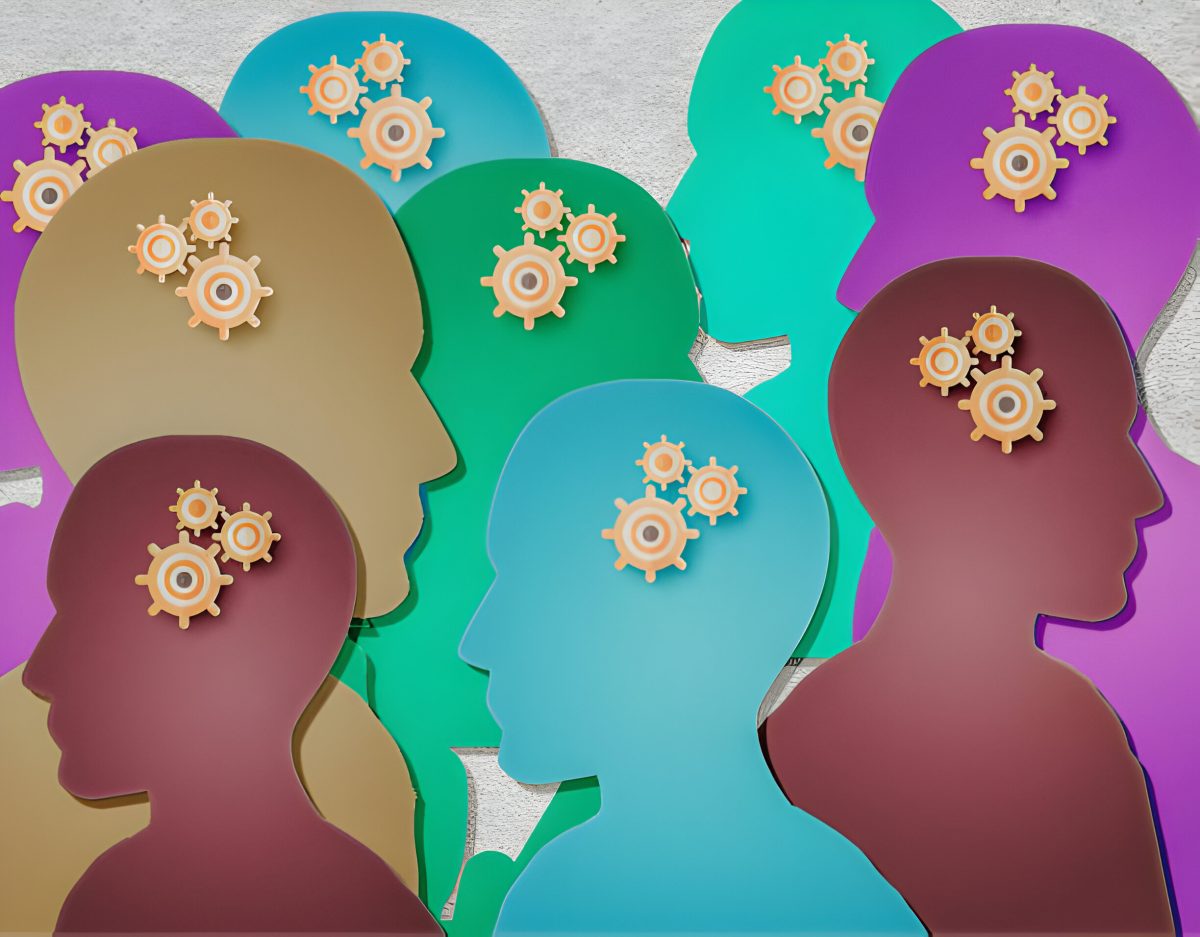
Autism Spectrum Disorder (ASD) is like a vibrant mosaic, with each person bringing their unique colors and patterns to the mix. There isn’t just one way to experience autism, and that’s what makes it so important to understand the different types within the spectrum.
By learning about different types of Autism, you can better support and connect with your loved ones on the spectrum.
In this article, we’ll explore the various types of autism and offer insights into what makes each type distinct.
Types of Autism Spectrum Disorders
Let’s understand Autism and its different types that will open your eyes to the richness within the spectrum.
Classic Autism
Classic Autism, also known as Autistic Disorder, is what most people traditionally think of when they hear “autism.” It’s characterized by significant challenges in three main areas:
Social Interaction Challenges:
- Difficulty forming and maintaining relationships with peers and adults
- Not understanding or using nonverbal communication like gestures, facial expressions, and body language
- Lack of interest in sharing fun, interests, or achievements with others
Communication Difficulties:
- Delay or lack of spoken language development
- Limited ability to start or maintain conversations
- Difficulty understanding and using verbal and nonverbal communication
Repetitive Behaviors and Restricted Interests:
- Engaging in repetitive activities like hand-flapping, rocking, etc.
- Preferring to stick to routines and not liking changes in daily activities or environment.
- Having a strong, narrow focus on specific topics or objects
In the past, this form of autism was seen as the most severe. It was often recognized early in childhood when these symptoms became apparent.
However, as our understanding of autism has grown, it’s now clear that these characteristics represent just one part of a much broader spectrum.
Asperger’s Syndrome
Individuals with Asperger’s used to be diagnosed separately, but now it falls under the Autism Spectrum Disorder (ASD) category. People with Asperger’s often have strong language skills and may excel in specific areas like math, music, or technology.
Social Interaction Challenges:
- Difficulties in Understanding Social Cues such as body language, facial expressions, and tone of voice
- They often find it hard to make and maintain friendships, feeling isolated or awkward in social gatherings.
- People with Asperger’s may take language literally, having trouble understanding humor, sarcasm, or idiomatic expressions.
Communication Challenges:
- Their speech may be characterized by a formal, monotone, or robotic quality.
- They may struggle to use language appropriately in social contexts, leading to one-sided conversations focused on their interests.
Repetitive Behaviors and Restricted Interests:
- People with Asperger’s may develop intense, obsessive interests in specific subjects, often becoming experts in those areas.
- A strong preference for sameness and routine
Other Characteristics
- Some people may react strongly or negatively to things they see, hear, or touch.
- People with Asperger’s often demonstrate exceptional attention to detail, strong memory skills, and intense focus on topics of interest.
people with Asperger’s are often called ‘high-functioning.’ However, this label can be misleading as it doesn’t fully capture their social and emotional difficulties. Despite the challenges, they often possess unique strengths, including:
- High Intelligence: Many have average to above-average cognitive abilities.
- Honesty and Directness: Their straightforward communication style can be refreshing and sincere.
- Creative Problem-Solving: Their unique perspective can lead to innovative ideas and solutions.
Pervasive Developmental Disorder-Not Otherwise Specified (PDD-NOS)
PDD-NOS was a catch-all diagnosis used for individuals who exhibited some, but not all, characteristics of classic autism or Asperger’s. These people might have had milder symptoms or atypical presentations that didn’t fit neatly into the other categories.
For example, a person with PDD-NOS might have some social difficulties or repetitive behaviors but might not struggle significantly with language development.
With the DSM-5 update, PDD-NOS became part of the broader ASD category. This change shows a better understanding of autism, recognizing that it can appear in many different ways in the same spectrum.
Social Interaction Difficulties:
- Challenges in Social Engagement
- Limited understanding of social cues such as body language, facial expressions, and tone of voice
Communication Issues:
- Delayed language development
- Difficulty with conversational skills
Repetitive Behaviors and Restricted Interests:
- Repetitive movements or behaviors, such as hand-flapping, rocking, or lining up objects
- Intense focus on specific interests – typically less pronounced than in other forms of autism.
Sensory Sensitivities
- Heightened or diminished sensitivity to sensory stimuli, such as sounds, lights, or textures.
Cognitive Abilities:
- Some people may have average or above-average intelligence, but others may struggle with learning or thinking.
Childhood Disintegrative Disorder (CDD)
Childhood Disintegrative Disorder (CDD) is a rare and particularly challenging form of autism. Unlike most other forms of autism, where symptoms are present from an early age, children with CDD typically develop normally for the first two years of life.
The regression usually begins between ages 3 and 4 but can occur until age 10. After this period, they experience a significant loss of previously acquired skills, including language, social abilities, and motor skills.
This regression can be sudden and severe, making CDD a particularly distressing condition for families.
CDD was once seen as a separate form of autism for its rarity and severe symptoms. However, it is now recognized as part of the broader ASD classification, highlighting the diverse ways autism can manifest.
Developmental Regression:
- Loss of previously acquired skills, such as language skills, social skills, motor skills, cognitive abilities
- More irritable or agitated
- Repetitive actions, such as hand-flapping or rocking
- A strong need for routine and resistance to changes
Social Interaction Difficulties:
- Children might have difficulty speaking, using gestures, or keeping eye contact.
- They might show less interest in imaginative play and social games.
Recovery of lost skills is rare with Childhood Disintegrative Disorder (CDD), with only about 20% of affected children regaining the ability to speak in sentences. Most will need lifelong support and care.
Rett Syndrome
Rett Syndrome is another condition that shares some similarities with autism, though it is now recognized as a distinct genetic disorder. It primarily affects girls and involves a period of normal development followed by a significant regression in motor skills, particularly hand movements and communication abilities.
Children with Rett Syndrome may initially develop naturally. But between 6 and 18 months, they start to lose skills they have already learned, like speaking or walking.
Rett Syndrome includes some autism-like symptoms, such as social withdrawal and repetitive behaviors. However, it is caused by specific genetic mutations and follows a different developmental path.
Developmental Regression:
- Loss of previously acquired skills, such as language, motor abilities, and social interaction
- Inability to perform tasks requiring coordinated hand movements
- Development of repetitive hand movements, such as hand-wringing or hand-mouthing
Social and Communication Challenges:
- Impaired communication and cognitive abilities
Other Symptoms:
- Seizures
- Sleep disturbances
- Low bone density leads to an increased risk of fractures
- Scoliosis (occurring in approximately 75% of individuals by age 15)
- Altered sensitivity to pain
- Breathing abnormalities
The Impact of the DSM-5 on ASD Classification
The DSM-5 has combined previous separate diagnoses like autistic disorder, Asperger’s disorder, and PDD-NOS into a single ASD category, reflecting a broader understanding of autism as a spectrum.
Diagnostic Criteria Adjustments
The DSM-5 streamlined the diagnostic process by reducing the symptom domains from three to two, combining social communication and interaction into one. It also introduced severity levels—Level 1, Level 2, and Level 3—to specify the level of support required.
These changes aimed to simplify diagnosis and ensure that support is tailored to individual needs.
Impact on Diagnosis Rates
Since the DSM-5 was put into effect, there has been a significant decrease in ASD diagnoses. Some studies show a reduction of up to 68.4%. This decrease, especially among those previously diagnosed with milder forms of autism, has raised concerns about possible underdiagnosis and the risk of some individuals not getting the support they need.
Implications for Treatment and Support
The move to a spectrum-based model aims to provide personalized interventions tailored to each individual’s strengths and challenges. With fewer diagnoses, it’s essential to adjust policies to ensure support for those who no longer meet the DSM-5 criteria.
Conclusion
Learning about the different types of Autism Spectrum Disorders helps you see the incredible diversity within the autism community. Each person’s experience with autism is unique, and understanding these differences is the first step in offering the proper support.
With the changes brought by the DSM-5, it’s clear that autism is more than just a label—it’s a spectrum that deserves everyone’s attention and empathy.




