 By Walker Evans
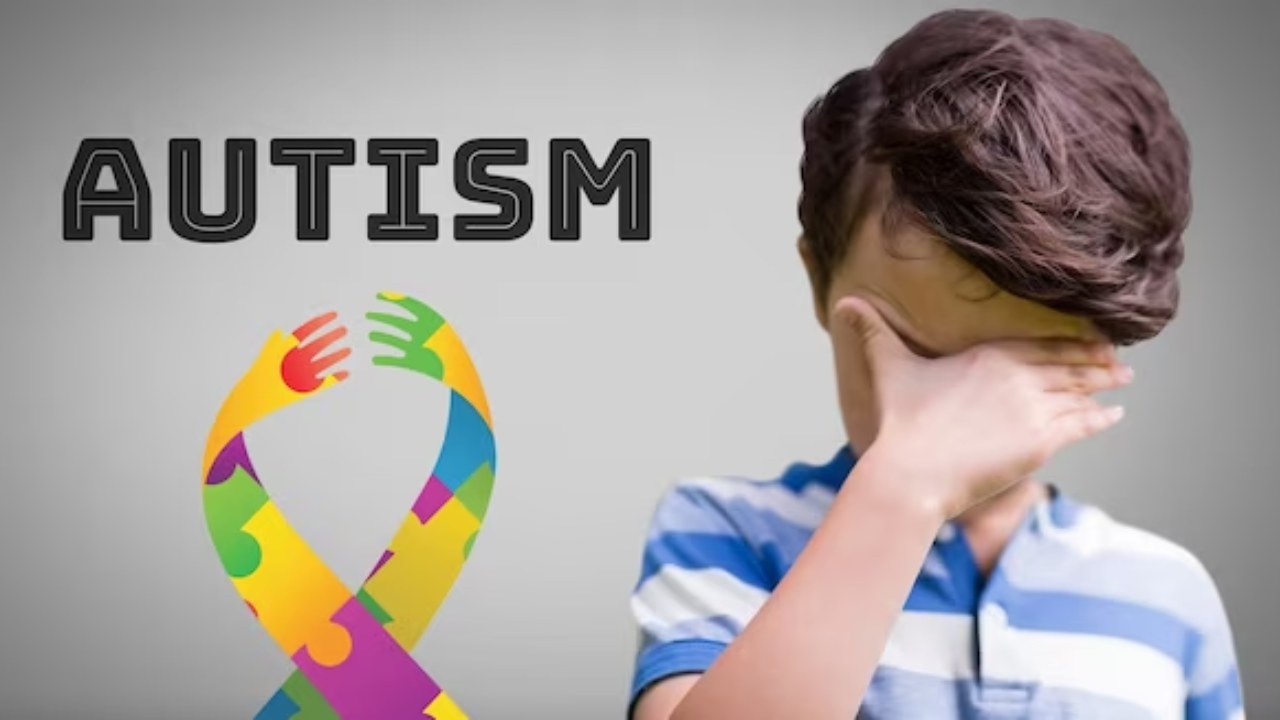
Have you ever heard someone say that a shy kid is just going through a phase or that a child with autism doesn’t have feelings?
Well, it’s time to set the record straight.
In this blog, I will share my experience about shyness and autism to bust some common myths and misconceptions. Understanding the real deal about these two is important because they’re pretty different.
Shyness is about feeling nervous in social situations, while autism is a whole different way the brain works. We’ll discuss what makes each unique and why mixing them up is incorrect.
So, let’s clear up the confusion and learn more about shyness and autism – because knowing the truth helps everyone!
Shyness and Autism: What Are They?
While shyness and autism can sometimes look similar on the outside, they’re pretty different. Shyness is more about feeling anxious in social situations, while autism is a broader condition that affects communication, behavior, and sensory experiences.
Understanding these differences is essential for supporting both shy individuals and those with autism in the right way.
What is Shyness?
Shyness is like feeling a bit nervous or uncomfortable when you’re around new people or in new situations.
You get that butterfly-in-your-stomach feeling when stepping out of your comfort zone. Shy people might find it hard to start conversations, feel awkward at parties, or get anxious when they’re the center of attention.
But it’s important to remember that being shy doesn’t mean you don’t want to make friends or be social. Sometimes, it feels overwhelming.
Characteristics of Shyness
Shy people often feel self-conscious and might worry about what others think of them. They might prefer to hang back in groups or take longer to warm up to new people. But once they feel comfortable, they can be as chatty and friendly as anyone else.
Shyness can vary greatly from person to person—some might only feel shy in certain situations, while for others, it’s more of a regular thing.
What is Autism?
Autism, on the other hand, is a neurological condition – it’s about how the brain develops and works. People with autism often experience the world differently, and it can affect how they communicate, interact socially, and process information.
It’s like their brains are tuned to a different frequency. Autism is a spectrum, which means it affects people in different ways. Some might have a lot of challenges, while others might need less support.
Characteristics of Autism
People with autism might find social interactions and communication more challenging. They might not pick up on social cues like body language or tone of voice or take things literally. Repetitive behaviors and a strong love for routines are also common.
Plus, many people with autism have sensory sensitivities – like finding certain sounds too loud or textures uncomfortable. It’s not that they don’t want to socialize; the social world can be hard to navigate.
Common Myths About Shyness
Shyness is not a phase, a sign of rudeness, or a weakness. It’s a part of a person’s character that comes with challenges and strengths. Recognizing and respecting these truths can create a more inclusive and empathetic environment for everyone.
Myth 1: Shyness is Just a Phase
A common myth about shyness is that it’s just a phase that people grow out of.
While it’s true that some kids and teens feel less shy as they get older and gain more confidence, for others, shyness is a part of their personality that stays with them into adulthood.
It’s not something they just ‘get over’ – it’s a trait they learn to manage and embrace as part of who they are.
Myth 2: Shy People are Rude or Unfriendly
Another big misunderstanding is thinking that shy people are rude or unfriendly. In reality, shy individuals often want to make friends and be social; they just find initiating conversations more challenging or jumping into group activities.
Their quietness or hesitation is more about feeling nervous than not wanting to interact.
Myth 3: Shyness Equals Weakness
Some people mistakenly see shyness as a weakness, but that’s far from the truth. Being shy doesn’t mean you’re not strong or capable.
Shy individuals often have unique strengths, like being great listeners or having the ability to think deeply about things. They can be just as prosperous and resilient as anyone else.
Myth 4: Shy People Don’t Speak Up
It’s a common belief that shy people never speak up or share their ideas. While it might be more challenging for someone scared to speak out in a big group or a noisy room, they have their own opinions and thoughts.
Often, they’re more comfortable sharing in smaller groups or one-on-one conversations.
Myth 5: Shyness is the Same as Social Anxiety
While they might seem similar, shyness and social anxiety are different. Shyness is a personality trait, while social anxiety is a mental health condition that can cause intense fear and distress in social situations.
Understanding this difference is essential, especially when getting the proper support.
Understanding the Impact of Shyness
Shyness can impact different aspects of a person’s life, from friendships and relationships to school and work.
However, with the proper understanding and support, shy individuals can navigate these challenges successfully. It’s about finding environments where they feel comfortable and techniques that help them manage their shyness.
Misconceptions About Autism
A lack of emotions, intellectual disability, or an aversion to social interaction does not define autism. It’s a complex spectrum with diverse manifestations, and recognizing this diversity allows us to support and celebrate autistic individuals in all their uniqueness.
Misconception 1: Autistic People Lack Emotions
One of the biggest myths about autism is that autistic individuals don’t feel emotions. This couldn’t be further from the truth. People with autism experience a full range of emotions, just like anyone else.
The difference often lies in how they express and process these feelings. Some might not show their emotions in typical ways, but that doesn’t mean they don’t feel them deeply.
Misconception 2: Autism Equals Intellectual Disability
Another common misconception is equating autism with an intellectual disability. Autism is a spectrum disorder, meaning it affects people in various ways.
While some individuals on the spectrum may have intellectual challenges, many have average or above-average intelligence. There are even autistic individuals who excel in areas like math, art, or music.
Misconception 3: Autistic People Don’t Want Social Interaction
It’s often assumed that people with autism prefer to be alone and don’t want social interaction. In reality, many autistic individuals desire friendships and connections, just like anyone else.
They might find socializing more challenging due to difficulties with communication and understanding social cues, but this doesn’t mean they don’t want to connect with others.
Misconception 4: Autism Can Be ‘Cured’
There’s a misconception that autism is something that needs to be cured or fixed. Autism is a neurodevelopmental condition that’s an integral part of an individual’s identity.
While therapies and supports can help manage specific challenges associated with autism, they are not about ‘curing’ the condition but rather about helping the individual live a fulfilling life.
Understanding the Autism Spectrum
Autism is often described as a spectrum because it manifests differently in each person. The term ‘spectrum’ captures the wide range of abilities and challenges experienced by autistic individuals.
Some may require significant support daily, while others live independently and have successful careers.
Diverse Manifestations of Autism
The diversity within the autism spectrum is vast. For some, autism might mean sensory sensitivities and intense focus on specific interests.
For others, it might involve challenges with verbal communication and social interaction. Understanding this diversity is critical to appreciating the unique experiences of each autistic individual.
Differentiating Social Interaction
While shy individuals might be nervous but capable in social situations, those with autism face distinct challenges in communication and sensory processing.
By acknowledging these differences, we can create more inclusive and supportive environments for both shy individuals and those with autism.
Social Interaction in Shyness
Social interactions can be daunting for shy individuals, but not necessarily because they lack engagement skills. It’s more about feeling anxious or self-conscious in social settings.
Shy people might be hesitant to start a conversation or join a group but can interact effectively once they feel comfortable.
Their understanding of social cues and norms is typically in line with societal expectations; overcoming nervousness initially is challenging.
Navigating Social Situations
Shy individuals often find one-on-one interactions or small groups more comfortable than large gatherings. They might take time to warm up in social settings, but this doesn’t mean they’re disinterested in forming connections.
Once past their initial reserve, many shy people can develop deep and meaningful relationships.
Social Interaction in Autism
For those with autism, social interactions can be complex for different reasons. It’s not just about feeling shy or nervous; it’s often about the fundamental challenges in understanding and responding to social cues.
People with autism might find it hard to interpret body language, tone of voice, or facial expressions, which are crucial for communication.
Communication Styles
Autistic individuals might communicate in unique ways. For some, verbal communication can be challenging, and they might rely on alternative methods like gestures or written communication.
Others might speak freely on topics of interest but struggle with back-and-forth conversations or understanding figurative language like idioms and sarcasm.
Comfort Levels in Social Settings
Unlike shyness, where comfort in social settings can grow with familiarity, individuals with autism might consistently find certain social situations challenging.
This could be due to sensory sensitivities, such as being overwhelmed by loud noises or crowded places or difficulties processing social information quickly.
Recognizing the Differences
Understanding these differences is critical. While a shy person might appreciate gentle encouragement to join a conversation, an autistic individual might need clear, direct communication and more predictable social environments.
Recognizing and respecting these needs can make social interactions more comfortable for everyone involved.
The Role of Anxiety
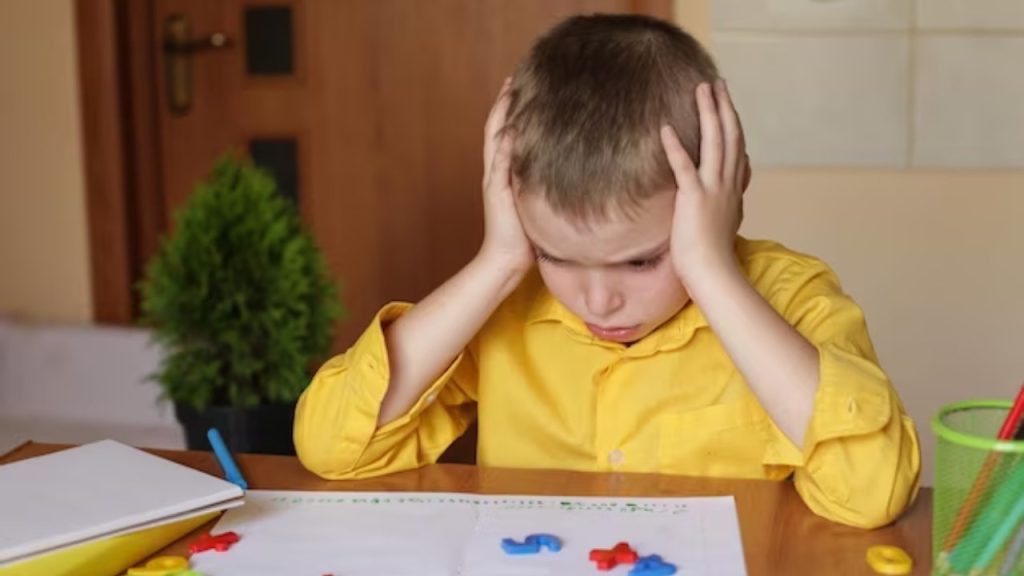
Anxiety is a significant factor in both shyness and autism, but it presents itself differently in each. An appreciation of these distinctions allows us to offer better assistance to those navigating social anxiety due to shyness or coping with the many anxieties that can accompany autism.
Anxiety in Shyness
Anxiety in shy individuals often revolves around social interactions. It’s like having an internal alarm system that goes off when they’re in social settings, especially new or unfamiliar ones. This anxiety can manifest as nervousness, a racing heart, or a desire to avoid social situations altogether.
However, it’s important to note that this anxiety is linked explicitly to social apprehension. Once a shy person feels comfortable, their anxiety typically lessens, allowing them to engage more freely.
Coping with Social Anxiety
For those who are shy, managing their social anxiety often involves gradual exposure to social situations and building up their confidence over time.
Techniques like deep breathing, positive self-talk, or preparing for social interactions in advance can be helpful. It’s about learning to quiet that internal alarm and realizing that social situations can be manageable and enjoyable.
Anxiety in Autism
In autism, anxiety can be more complex and multifaceted. It’s not just about social situations but can also be linked to sensory sensitivities, changes in routine, or an overwhelming environment.
For example, a sudden loud noise or a change in plans can trigger anxiety in someone with autism. Their anxiety is more about processing a world that feels unpredictable and often overwhelming.
Understanding Sensory-Related Anxiety
Sensory-related anxiety is a crucial aspect for many autistic individuals. They might feel anxious in environments with bright lights, loud noises, or strong smells.
This type of anxiety is less about fear of social judgment and more about dealing with sensory input that feels intense and uncomfortable.
Different Triggers, Different Responses
While both shy individuals and those with autism might experience anxiety, the triggers and responses can be quite different. Recognizing these differences is crucial in providing the proper support.
For someone who is shy, gentle encouragement and social skills training might be beneficial. In contrast, for someone with autism, creating a predictable, sensory-friendly environment might be more effective in managing anxiety.
The Importance of Personalized Support
Understanding the unique ways anxiety manifests in shyness and autism underscores the importance of personalized support.
What works for one person might not work for another, especially when considering the broad spectrum of autism and the varying degrees of shyness.
Support Strategies For Shyness and Autism
Supporting someone who is shy or autistic requires tailored strategies that respect their individual needs and challenges. Whether it’s through creating comfortable social environments, addressing sensory sensitivities, or providing professional support, the goal is to empower them to navigate social interactions uniquely.
Tailoring Support for Shy Individuals
Supporting someone who is shy starts with understanding that their need for time and space to open up is normal. Encouragement should be gentle and patient, avoiding forceful pushes into uncomfortable social situations.
Simple strategies like role-playing social scenarios or setting small, achievable goals for social interaction can be effective. Celebrating their efforts and progress, no matter how small, is also helpful in building confidence.
Creating Comfortable Social Environments
For shy individuals, creating a comfortable social environment is critical. This might mean starting with one-on-one interactions or small groups where they feel safe.
Encouraging activities that align with their interests can also provide natural opportunities for socialization. It’s about finding settings where they feel less pressure and more at ease to engage.
Supporting Autistic Individuals
Support strategies for autism often need to address a broader range of challenges. It is crucial to understand and respect their communication preferences, whether verbal or nonverbal.
Using clear, direct language and visual aids can be helpful. Consistency and routine are also important, as they provide a sense of predictability and security.
Addressing Sensory Sensitivities
Many individuals with autism have sensory sensitivities. Creating a sensory-friendly environment can significantly reduce anxiety and discomfort.
This might involve minimizing exposure to overwhelming sensory inputs like loud noises or bright lights and providing sensory tools like noise-canceling headphones or fidget toys.
Social Skills Training
Both shy individuals and those with autism can benefit from social skills training, but the approach might differ. For shy individuals, it’s more about overcoming nervousness and building confidence.
For those with autism, it might involve learning to read social cues and understanding the nuances of social interaction.
Professional Support
In some cases, professional support can be beneficial. Therapists specializing in social anxiety or autism can provide tailored strategies and tools and offer a safe space to practice and develop social skills.
The Role of Family and Friends
Family and friends play a crucial role in providing support. They can offer a safe, understanding environment where shy individuals or those with autism can practice social skills without judgment.
Encouragement and acceptance from loved ones are invaluable in building confidence and self-esteem.
Final Words
Understanding the distinctions between shyness and autism is crucial in addressing each individual’s unique needs. While shyness often involves social apprehension, autism encompasses a broader range of social, communicative, and sensory challenges.
Debunking common myths and misconceptions about both enhances our understanding and guides us in offering appropriate support. Tailored strategies, empathy, and patience are vital in assisting the shy or autistic.
By embracing these differences and fostering an environment of acceptance and support, we empower individuals to navigate their social worlds more confidently and comfortably.