
 By Walker Evans
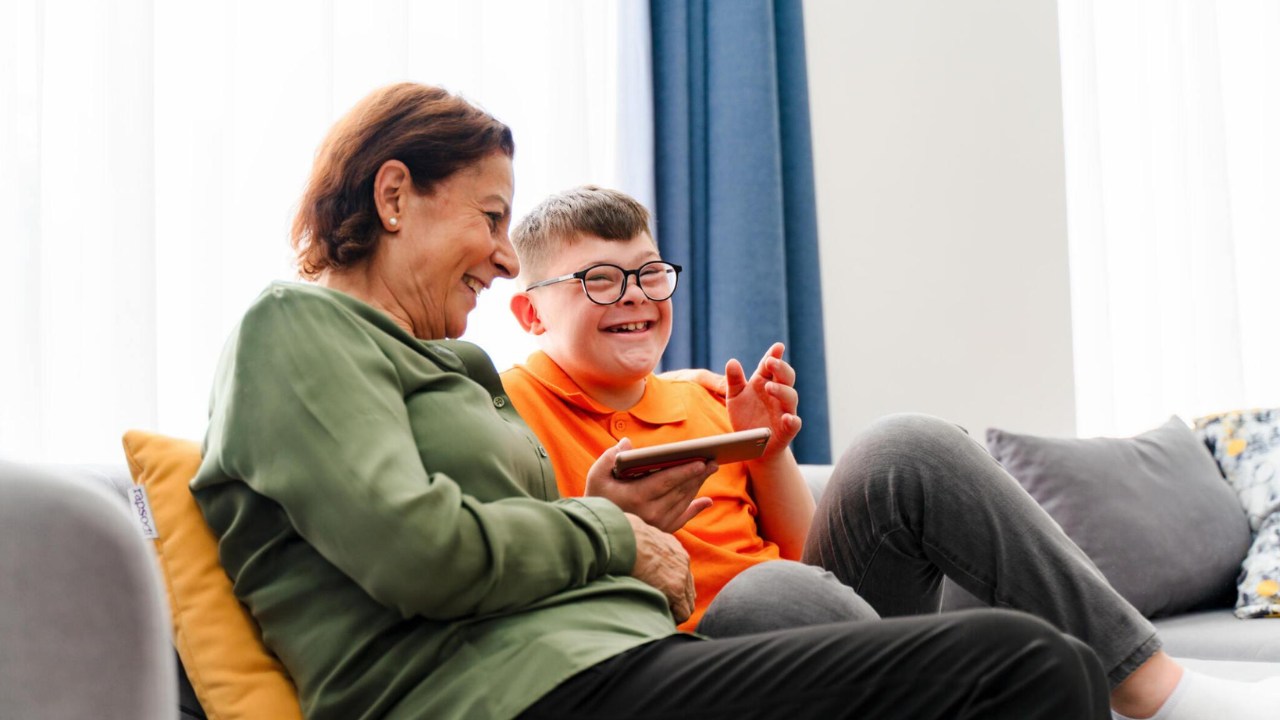
Every breakthrough begins small—a single word, a sustained glance. But big dreams demand big support when pursuing potential. For families seeking light in the autism spectrum disorder maze, resources empower progress.
Yet navigating assistance spans confusion to dead ends without guides. We offer hard-won insights so parents access and maximize funding, fueling children’s growth.
See how Ontario’s beacon program works, then discover qualifying specifics. Learn allocating strategies that reveal therapists availing best outcomes within budget. When appeals or additions call, leverage networks to strengthen cases through documentation.
Our collective care improves systems, uplifting coming generations. We smooth stones on the path with open hands and hearts, clearing the way for capable strides.
Understanding the Ontario Autism Program (OAP)
The Ontario Autism Program (OAP) stands out as a beacon of hope, offering much-needed assistance to those navigating this journey. Let’s delve into the OAP’s essentials, shedding light on its purpose, the therapies it covers, eligibility criteria, and the types of support it provides.
The Purpose of the Ontario Autism Program
The OAP was established with a clear mission: to provide comprehensive support to children and youth diagnosed with autism spectrum disorder (ASD).
Its primary goal is to ensure families can access quality services to help their children achieve personal milestones, enhance their learning and development, and support their integration into school and community life.
The program is designed to be flexible, catering to each child’s and their family’s unique needs.
Therapies Covered Under the OAP
Understanding the types of therapies covered by the OAP is crucial for parents beginning their journey. The program encompasses a range of evidence-based interventions that benefit children with autism. This includes, but is not limited to:
- Behavioral Therapies: Focused on improving social skills, communication, and learning.
- Speech and Language Therapy: Aimed at enhancing communication abilities.
- Occupational Therapy: Helps children develop the skills needed for daily living activities.
These therapies are tailored to support the diverse needs of children with ASD, focusing on areas that will have the most significant impact on their development and quality of life.
Eligibility Criteria for Families and Children
Eligibility for the OAP is determined based on a set of criteria designed to ensure that those most in need receive support.
To qualify, children must have a diagnosis of ASD from a qualified professional. The program primarily serves children and youth up to the age of 18, with services tailored to meet the needs of each age group.
Families interested in accessing the OAP are encouraged to apply as early as possible, as early intervention can be pivotal in a child’s development.
Types of Support Offered by the OAP
The OAP offers a spectrum of support designed to cater to the varied needs of children with ASD. This includes funding for therapy and interventions, access to specialized service providers, and resources for families to navigate the challenges of autism.
The program emphasizes individualized support, recognizing that each child’s needs are unique. Families can choose between direct funding options, which provide financial support to access private therapy services, or direct service options, where therapy is provided through publicly funded providers.
Types of Autism Therapies Covered Under OAP
Within the Ontario Autism Program (OAP), families can access various therapies to support their autistic children’s development.
Let’s explore the types of autism therapies covered under the OAP, focusing on Behavioral Therapies, Speech and Language Therapy, and Occupational Therapy.
Behavioral Therapies: The Role of Applied Behavior Analysis (ABA)
Applied Behavior Analysis (ABA) is a cornerstone within autism therapy, much like the foundational training for a new puppy.
ABA is a therapy based on the science of learning and behavior. It aims to improve social, communication, and learning skills through positive reinforcement. It helps reduce problematic behaviors and enhance positive ones, making daily interactions more manageable and meaningful.
The benefits of autism behavioral therapy are vast. It offers improvements in verbal communication, attention, and focus, as well as decreased behaviors that may hinder learning or social interaction.
Speech and Language Therapy: Enhancing Communication
Speech and Language Therapy is akin to teaching a dog commands, not just for obedience but to foster a deeper understanding and connection between the dog and its owner.
For children with autism, this therapy focuses on improving their ability to express themselves verbally and understand what is being communicated to them. It’s not solely about speech production but also encompasses non-verbal communication skills such as gestures, facial expressions, and understanding social cues.
The importance of speech therapy lies in its ability to open doors to more effective communication, enabling children to express their needs, share their thoughts, and engage more fully with the world around them.
Occupational Therapy: Improving Daily Living Skills
Occupational Therapy in the context of autism support can be likened to agility training for dogs, not for competition’s sake but to navigate the world more effectively.
This therapy focuses on enhancing a child’s ability to perform daily tasks by improving their motor, cognitive, sensory processing, communication, and play skills. Occupational therapists work on various activities, from basic tasks like dressing and eating to more complex ones like participating in school activities or socializing.
The goal is to promote independence, increase participation in daily activities, and improve the overall quality of life.
How to Apply for Autism Grants in Ontario?
Securing financial support for your child under the Ontario Autism Program (OAP) involves gathering the proper documentation and effectively communicating your child’s needs. Here’s a guide to help you navigate this process with confidence.
Step-by-Step Guide to Applying for Autism Grants
- Gather Information: Start by familiarizing yourself with the Ontario Autism Program. The official OAP website offers comprehensive details about the program, eligibility criteria, and the application process. Understanding these basics is like knowing the course layout before the competition begins.
- Diagnosis Confirmation: Ensure you have a formal diagnosis of Autism Spectrum Disorder (ASD) for your child from a qualified professional. This diagnosis is the entry ticket to the OAP and must be detailed, highlighting your child’s specific needs.
- Collect Required Documentation: Prepare the necessary documentation, which typically includes your child’s diagnosis report, proof of residency in Ontario, and any previous assessments or reports that detail your child’s therapy needs. Consider this as gathering your agility dog’s performance records and health certifications.
- Complete the Application: Fill out the application form on the OAP website. Be thorough and transparent, providing all requested information about your child’s condition and needs. As you would detail your dog’s training regimen and achievements, here you’ll outline your child’s therapy requirements and goals.
- Submit the Application: To avoid delays, submit your application and all required documentation to the address or online portal specified on the OAP website. Ensure everything is correctly filled out and that all necessary documents are included.
Tips for a Successful Application
- Emphasize Individual Needs: Highlight the unique aspects of your child’s autism. Just as each dog has its strengths and challenges, so does every child with autism. Detail how the therapies covered by the OAP can specifically address your child’s areas of need.
- Be Specific and Detailed: Provide specific examples of your child’s challenges and how they impact daily life. This could include difficulties with communication, social interaction, or sensory sensitivities. The more detailed you are, the more precise the picture you paint for the assessors.
- Include Supporting Evidence: If you have reports from teachers, therapists, or other professionals who have worked with your child, include these in your application. These endorsements are like judges’ notes from previous competitions, offering external validation of your child’s needs and progress.
- Follow-Up: After submitting your application, contact the OAP office if you have not received a response within the expected timeframe. Persistence is vital in training and competing with your dog.
Navigating the Funding Process
For families seeking financial support through the Ontario Autism Program (OAP), grasping how funding is allocated, understanding the different funding models, and keeping track of critical deadlines are crucial in securing the necessary resources for their child’s therapy.
Let’s break down these components to simplify the funding navigation process.
Understanding Funding Allocation and Disbursement
The OAP allocates funding based on the child’s assessed needs, considering the recommended intensity and type of therapy. Once approved, funding is disbursed directly to families or service providers, depending on the chosen funding model.
This process is akin to preparing for a dog agility course, where understanding each obstacle’s requirements allows for a smoother run. Similarly, knowing how funding is allocated helps families plan their child’s therapy journey more effectively.
Direct Funding vs. Service-Based Options
The OAP offers two primary funding models: direct funding and service-based options. Direct funding is similar to training your dog independently, where you’re given the resources (in this case, funds) to seek out and pay for therapy services directly.
This model offers flexibility, allowing families to choose their therapists and schedule sessions that fit their lifestyle.
On the other hand, service-based options are akin to enrolling your dog in a professional training school, where services are provided directly by agencies contracted by the OAP.
This option can relieve families of the administrative burden of finding and managing therapy services, though it may offer less flexibility in choosing providers.
Key Deadlines and Timelines
Staying on top of deadlines and timelines is crucial in funding, like knowing the registration cut-off dates for agility competitions.
The OAP has specific application periods and deadlines for funding requests. These deadlines can ensure access to therapy, so families must mark these dates on their calendars and prepare their applications well in advance.
Tips for Successful Navigation
- Stay Informed: Regularly check the OAP website or subscribe to updates to stay informed about any changes in funding policies or deadlines.
- Organize Documentation: Keep all your child’s assessments, reports, and recommendations organized and easily accessible. This preparation can streamline the application process.
- Seek Guidance: Don’t hesitate to contact OAP representatives or other families who have navigated the funding process for advice and tips.
- Plan Ahead: Gather information and prepare your application before the deadline to avoid last-minute rushes.
Navigating the funding process for autism therapy requires patience, diligence, and a proactive approach. By understanding how funding is allocated, choosing the suitable funding model for your family, and keeping track of important deadlines, you can secure the support your child needs to thrive.
Just as in dog agility, where preparation and understanding lead to success on the course, navigating financial support for autism therapy, knowledge, and planning pave the way to accessing vital resources.
Maximizing Your Child’s Funding Package
Maximizing your child’s funding package for autism therapy is a dynamic process that requires flexibility, negotiation, and a deep understanding of your child’s evolving needs.
By strategically budgeting, prioritizing therapies, and negotiating with service providers, you can ensure that your child can access the best possible support, setting the stage for their continued growth and success.
Strategic Budgeting for Therapy
Think of your child’s funding package as your budget for the show season. You must allocate funds across various needs—training, nutrition, travel—to cover all preparation aspects. Similarly, start by outlining all potential therapies and associated costs.
This might include behavioral, speech, and occupational therapy and additional resources like specialized equipment or educational materials.
Create a budget that covers these expenses while leaving a buffer for unexpected costs. Tools like spreadsheets or budgeting apps can help you track spending and adjust as needed.
Prioritizing Therapies Based on Your Child’s Needs
Just as each dog has its strengths and areas for improvement, your child’s therapy needs are unique. Prioritizing therapies involves understanding which areas will most significantly impact your child’s development. For instance, speech therapy might take precedence if communication is challenging.
Or, if sensory processing issues are more pressing, occupational therapy could be prioritized. Regular assessments and discussions with your child’s care team can help identify these priorities and adjust the therapy plan as your child progresses.
Negotiating with Service Providers
Negotiating with service providers to maximize your funding can be likened to negotiating the best terms for your dog’s training. It’s about finding value without compromising on quality. Here are some tips:
- Research Market Rates: Understand the typical costs for therapies in your area. This knowledge will empower you to negotiate more effectively.
- Ask for Package Deals: Some providers may offer package deals for purchasing multiple sessions upfront. This can lead to significant savings over time.
- Inquire About Sliding Scales: Some therapists work on a sliding scale based on income or ability to pay. Feel free to ask about this option.
- Explore Group Sessions: Group therapy sessions can be more cost-effective than individual sessions and offer your child the added benefit of social interaction.
- Be Open About Your Budget: Transparently discussing your budget constraints with providers can open the door to finding mutually beneficial solutions.
Making Every Dollar Count
Just as every minute of training is valuable in preparing your dog for the show ring, every dollar of your child’s funding package holds the potential for significant impact. Regularly review your budget and therapy priorities to ensure funds are being allocated effectively.
Stay informed about new therapies, grants, or financial assistance programs that may become available. Engaging with a community of parents navigating similar challenges can also provide valuable insights and tips.
Advocating for Your Child’s Needs
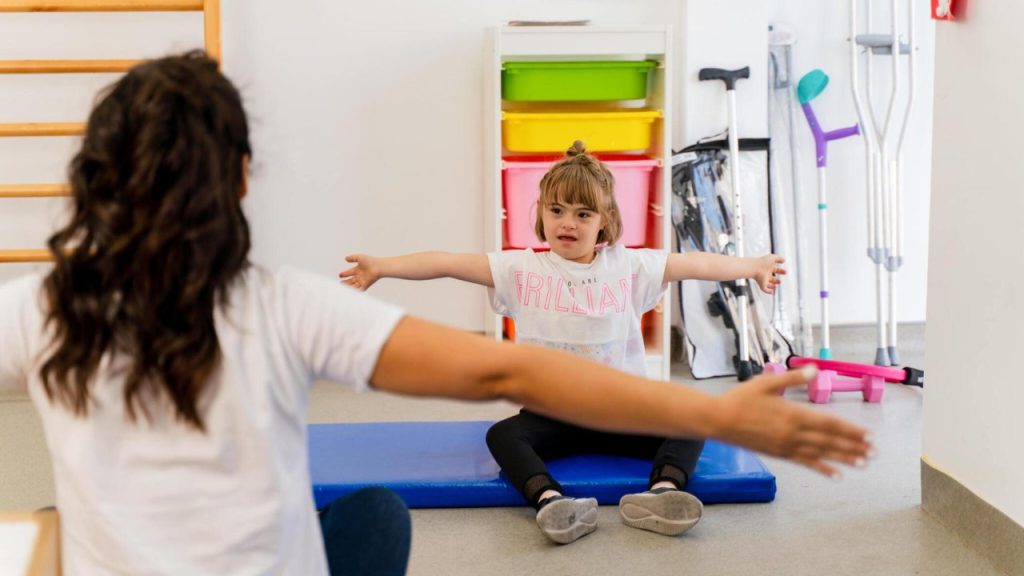
Advocating for your child’s needs within the Ontario Autism Program (OAP) framework is akin to navigating a complex agility course.
It requires precision, patience, and a clear understanding of the course. As a parent, your role is to be the voice and champion for your child, ensuring they receive the support and resources necessary for their development.
Here are strategies for advocating for additional support or appealing decisions within the OAP and the importance of staying engaged with the autism community.
Navigating the OAP Framework
Understanding the OAP’s policies and procedures is your starting point. As an agility handler, study the course layout before a competition and familiarize yourself with the OAP guidelines, funding allocation processes, and appeal mechanisms.
This knowledge equips you to navigate the system more effectively and spot any discrepancies or areas where additional support may be warranted.
Effective Communication is Key
Clear, concise communication with OAP representatives can significantly impact your advocacy efforts. When discussing your child’s needs, be specific about the therapies and supports you believe are necessary and why.
Prepare a list of points and questions before meetings or calls, much like a handler plans their commands and cues for each obstacle on the course.
Documenting Your Child’s Journey
Maintaining detailed records of your child’s progress, therapy sessions, and any challenges they face is crucial. These records serve as evidence when advocating for additional support or appealing decisions.
Consider keeping a training log for your agility dog, noting every leap and hurdle overcome. This can later demonstrate your child’s needs and progress.
Appealing Decisions
Knowing how to appeal is essential if you disagree with an OAP decision. Start by requesting a detailed explanation of the decision in writing.
Then, gather additional information, reports, or expert opinions supporting your case for review. The appeal process can be daunting, but remember, it’s about ensuring your child has access to the necessary resources for their growth.
Staying Informed and Connected
The autism community is a vast network of families, professionals, and advocates who share a common goal: to support individuals with autism in achieving their fullest potential.
Staying connected with this community can provide valuable information on updates to the OAP, advocacy opportunities, and additional resources. Attend workshops, join online forums, and participate in community events to stay informed and engaged.
Advocacy Opportunities
Look for opportunities to advocate for your child and the broader autism community. This could involve participating in advisory committees, providing feedback on proposed changes to the OAP, or joining advocacy groups.
Your experiences and insights can contribute to shaping a more inclusive and supportive system for all children with autism.
Final Words
Navigating autism funding complexity feels daunting, but community connections ease isolation. Together, our voices speak volumes, shaping better support systems. Celebrate milestones as kids strengthened through quality therapy build independence.
Advocate addressing limitations with insight and compassion. And remember, breakthroughs manifest differently for each child – focus on self-growth, skills gained, and joy found. Soon, the progress you nurture by maximizing resources allows more futures to unfold with promise.




