
 By Walker Evans

If you’re a parent, teacher, or caregiver of an autistic child, you’ve probably wondered how to help them feel more comfortable in their own skin.
Autism Spectrum Disorder (ASD) can make everyday life a little tricky for kids. It’s a condition that affects how they talk, play, and handle the world around them.
But here’s the good news: with the right support, these kids can shine in their own unique way.
That’s where Occupational Therapy (OT) steps in—a practical, hands-on way to help autistic children grow, learn, and manage their behavior.
So, what’s ASD all about?
It’s a developmental disorder that shows up early in life, often before age three. Kids with autism might find it hard to chat with others, get overwhelmed by loud noises, or stick to the same routines every day.
It’s called a “spectrum” because no two kids experience it the same way—some might love spinning in circles, while others avoid hugs like the plague.
Research from the CDC tells us that about 1 in 31 (3.2%) kids in the U.S. have ASD, according to their most recent 2022 data, so it’s more common than you might think.
Why act early?
Jumping in with support when kids are young can boost their language, social skills, and even IQ. That’s why therapies like OT are such a big deal—they give kids tools to tackle life’s challenges right from the start.
Let’s dive into how Occupational Therapists (OTs) make a difference for autistic kids.
Ready? Here we go!
What is Occupational Therapy and Why Does It Matter for Autism?
Occupational Therapy is like a helping hand for kids (and adults!) to do the stuff they need or want to do every day. Think of it as a way to make life easier—whether that’s learning to tie shoes, play with friends, or sit still in class.
For autistic children, OT focuses on building independence, so they can feel more in control of their world.
What makes OT special for autism?
It’s all about customization. Every kid is different, and OTs understand that. They look at what a child struggles with—like being bothered by bright lights or having trouble holding a spoon—and create a plan just for them.
A recent study in the journal Developmental Medicine & Child Neurology found that a specific occupational therapy approach called Cognitive Orientation to daily Occupational Performance (CO-OP) significantly improved motor skills in autistic children.
After just 10 weekly sessions focusing on child-chosen goals like tying shoes or riding bikes:
- Children’s self-rated performance scores improved from a median of 3.66 to 8.16 (on a 10-point scale)
- Their satisfaction with these skills jumped from 3.83 to 8.24
The study showed that 92% of children achieved clinically significant improvements in motor performance.
What’s particularly encouraging is that these improvements were still evident three months after the therapy ended.
Scores maintained at 7.33 for performance and 7.00 for satisfaction, showing the lasting benefits of this personalized approach.
OT isn’t a solo act either. OTs team up with parents, teachers, and even speech therapists to keep everyone on the same page.
Core Challenges Autistic Children Face That OTs Address
Autistic kids often deal with a few big hurdles.
Here’s what OTs zoom in on:
- Sensory Processing Issues: Ever notice how some kids freak out over a loud vacuum or love squishing playdough? That’s sensory stuff. Some are super sensitive (hypersensitive) to things like sounds or textures, while others barely notice them (hyposensitive). It can make a trip to the grocery store feel like a rollercoaster.
- Difficulty with Motor Skills: These are the moves kids need to get through the day. Fine motor skills, like coloring or buttoning a shirt, can be tough, as can gross motor skills, like running or climbing. Some kids face similar issues with global developmental delay, but OTs tailor plans to autism-specific needs.
- Struggles with Routines and Transitions: Predictability is king for many autistic kids. Switching from playtime to dinner? If it’s unexpected, that can spark a meltdown.
- Challenges with Self-Regulation: Emotions can hit hard. Maybe they can’t express their anger, so they scream instead. This can tie to speech delays, making it tricky to share feelings. Managing those big emotions is a work in progress.
These challenges can feel overwhelming, but OTs see them as starting points for growth. Let’s see how they help!
How Occupational Therapists Help Autistic Children
OTs have a toolbox full of fun, practical ways to support autistic kids.
Here’s how they tackle those challenges:
1. Sensory Integration Therapy
Sensory integration therapy is a cornerstone of occupational therapy for many autistic children. This approach, developed by occupational therapist Dr. A. Jean Ayres, helps children better process and respond to sensory information.
In a typical sensory integration session, an OT might:
- Provide controlled sensory experiences through swinging, deep pressure, or tactile play
- Gradually introduce challenging sensory inputs in a supportive environment
- Help children recognize their sensory preferences and needs
- Teach strategies for coping with overwhelming sensory experiences
A 2025 systematic review in The American Journal of Occupational Therapy examined nine randomized controlled trials of Ayres Sensory Integration® (ASI) therapy.
They found strong evidence that ASI helps autistic children meet their individualized goals related to occupational performance, function, and participation.
The review emphasized the importance of implementing ASI with fidelity to achieve these positive outcomes
A key component is the “sensory diet”—a personalized schedule of sensory activities designed to meet each child’s unique needs throughout the day. This might include:
| Need | Sensory Strategy |
| Calming | Deep pressure (weighted blanket, tight hugs) |
| Alerting | Movement (jumping, spinning, swinging) |
| Organizing | Rhythmic activities (rocking, music) |
| Focus | Crunchy snacks, chewy toys, fidgets |
2. Motor Skills Development
Occupational therapists use fun, engaging activities to build motor skills without making it feel like “work.”
Some approaches include:
- Using therapy putty or clay to strengthen hand muscles
- Creating obstacle courses that build body awareness and coordination
- Playing games that require precise movements or timing
- Using adaptive tools to support success while building skills
The key to effective motor skill development is making it playful and meaningful. Rather than repetitive exercises, OTs embed motor challenges in activities the child enjoys.
3. Social Skill-Building
While speech therapists often focus on the language aspects of social communication, occupational therapists address the practical, functional aspects of social participation, such as:
- Turn-taking in games and activities
- Understanding personal space
- Reading and responding to nonverbal cues
- Coping with the sensory aspects of social settings
- Building skills for cooperative play
OTs often use structured play activities to create opportunities for practicing these skills in a supportive environment.
4. Daily Living Skills
One of the most practical aspects of occupational therapy is helping children master the everyday tasks that build independence.
OTs do this by:
- Breaking complex tasks into manageable steps
- Using visual supports to help children understand sequences
- Adapting tasks or providing special equipment when needed
- Practicing skills in context (not just isolated movements)
- Celebrating small wins to build confidence
For example, an OT might create a visual schedule for tooth brushing, use special grips for utensils, or teach dressing techniques that accommodate sensory sensitivities.
5. Emotional Regulation Techniques
Occupational therapists help children develop the ability to identify and manage their emotions through:
- Programs like “Zones of Regulation” that teach emotional awareness
- Creating visual supports for expressing feelings
- Teaching calming techniques tailored to individual preferences
- Identifying early signs of emotional escalation
- Practicing self-regulation strategies during non-stressful times
Occupational therapy approaches that target emotional regulation can significantly reduce behavioral challenges and improve participation in school and home activities.
Occupational Therapy’s Impact on Behavior
Behavior can be a mystery with autistic kids. A tantrum might mean “I’m overwhelmed!” or “I don’t know how to say this!” OTs are like detectives, figuring out what’s behind it.
Here’s how they help:
- Understanding the “Why”: OTs observe your child to spot what triggers behaviors, like loud noises or a sudden change in plans. For example, if bright lights cause a meltdown, they might suggest dimming the room or using sunglasses to ease the discomfort.
- Reducing Meltdowns: Tools like a squishy toy or a quiet break can stop a meltdown before it starts. Research shows that up to 90% of people with ASD experience sensory hypersensitivity. These sensory challenges are a major trigger for disruptive behaviors. That’s why sensory-aware strategies are so important for helping these children manage day-to-day situations.
- Adding Structure: Routines are magic. A simple chart saying, “Breakfast, then play,” can make the day feel safer and calmer.
- Teaching Coping Skills: Kids learn to soothe themselves, like hugging a pillow or humming a tune, giving them power over their emotions.
Behavior gets better when kids feel understood. OTs make that happen, one step at a time.
In the Therapy Room – What Does a Typical OT Session Look Like?
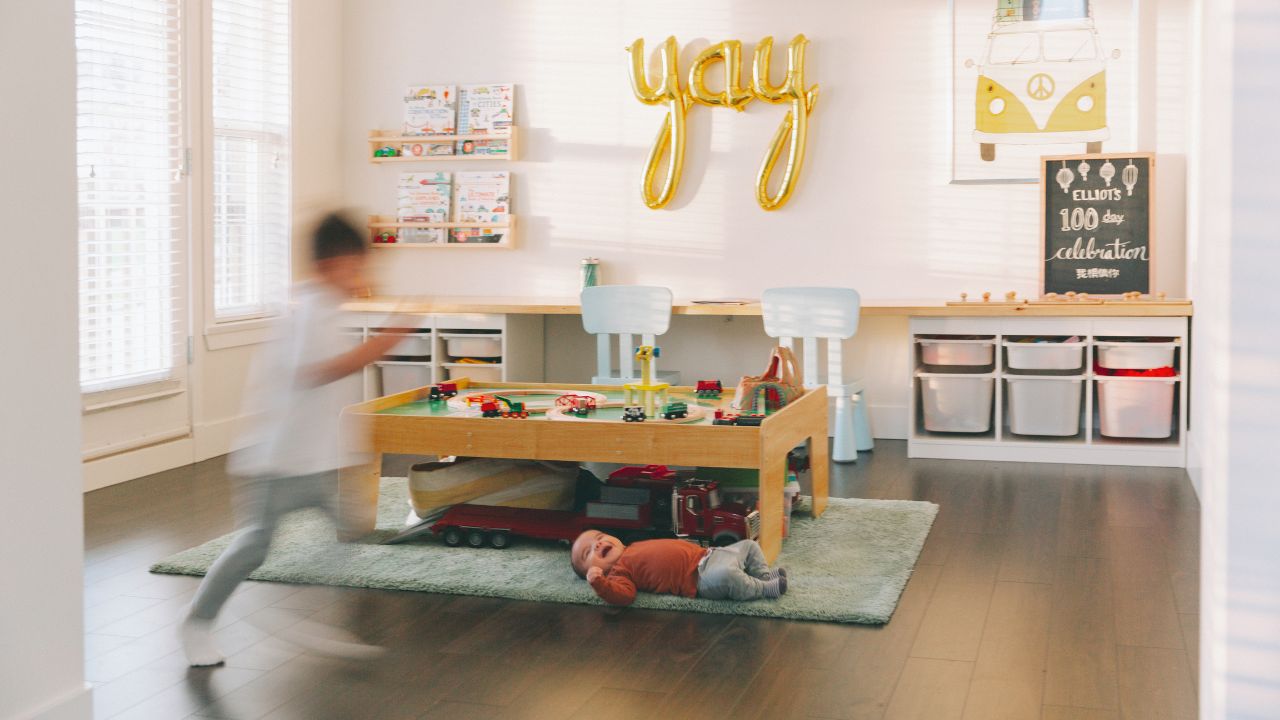
Picture this: a room full of tactile toys, mats, and smiles. That’s an OT session!
Here’s the rundown:
Assessments and Plans
First, the OT gets to know your child. They watch how they move, play, and react to things like loud sounds or squishy textures.
They might use tools like the Sensory Profile, a questionnaire that pinpoints sensory sensitivities, or observe how your child climbs a slide.
For example, if your kid avoids touching paint, the OT notes that and builds a plan to ease them into sensory play.
This custom plan, often called an Individualized Treatment Plan, sets goals like “button a shirt” or “tolerate a noisy room.”
Sample Activities
Sessions feel like playtime with a purpose.
Here are some practical and fun therapy activities OTs use for high-functioning autism:
- Obstacle Courses: Crawling through tunnels or hopping on pillows builds balance and strength.
- Texture Games: Digging in rice or squeezing slime helps kids get comfy with different sensations.
- Sensory Bins: These are boxes filled with beans, water beads, or foam for exploring touch safely. Want to try similar activities at home? Check out sensory tools for autism to keep the sensory fun going.
- Visual Schedules: Picture cards showing “play, then snack” make transitions smoother.
- Weighted Vests: Wearing a cozy vest during tasks can calm kids who crave deep pressure.
- Role-Playing Games: Pretending to shop at a store teaches social skills like saying “thank you.”
Each activity targets something specific, like coordination or sensory tolerance, and keeps kids engaged.
A study in the American Journal of Occupational Therapy found that children receiving sensory integration therapy made significant progress toward their individual goals.
They showed fewer autistic mannerisms than kids who received only fine motor activities.
Tracking Progress
OTs love celebrating wins, big and small! They track progress with tools like the Goal Attainment Scaling, which measures whether a child brushes their hair alone or stays calm during a loud game.
Parents share updates, too, like “They tied their shoes this week!” Every step forward gets a high-five or a sticker, which keeps kids motivated.
The OT checks in every few weeks to tweak the plan, ensuring it fits your child’s growth.
Parent Power
You’re a key player in this! OTs invite parents into sessions to watch and learn.
They might show you how to use a sensory diet—a mix of activities like jumping on a trampoline or chewing gum—to keep your child calm at home.
Other tricks include setting up a “calm-down corner” with pillows or using a timer to warn about activity switches.
OTs also share apps like Choiceworks for visual schedules you can use on the go. This teamwork makes skills stick across home and school, giving your child a solid foundation.
It’s play with a purpose—kids love it, and it works.
Long-Term Benefits of Occupational Therapy for Autistic Children
OT isn’t a quick fix—it’s a foundation for life. Check out these lasting perks:
- Improved Independence: Kids start dressing or eating on their own, needing less help.
- Enhanced Communication: They get better at chatting or showing what they want, making friends easier.
- Better School Performance: With stronger skills, they focus longer and join in more.
- Reduced Behavioral Challenges: Fewer outbursts mean less stress for everyone.
- Greater Confidence: Mastering a task, like zipping a jacket, builds pride and grit.
A study in The American Journal of Occupational Therapy found that kids who got OT for just 6-7 weeks (three times a week) made big improvements that stuck around even 6-12 months after therapy ended!
Parents loved the therapists’ special know-how and the education they received during the program.
While the kids didn’t keep making new progress after therapy ended, they held onto their gains—proof that those OT skills really stick!
Conclusion
Occupational Therapy is all about meeting kids where they’re at and helping them bloom. It’s not a one-size-fits-all deal—every plan is as unique as your child.
If you’re wondering how to support your little one with autism, OT could be your secret weapon. It’s amazing to think that with the right tools, every kid can thrive in their own special way, don’t you agree?
Is your child struggling with daily routines, emotional outbursts, or sensory overload? An occupational therapist might just be the support you’ve been looking for. Reach out to a licensed OT today and take the first step toward empowering your child’s growth and confidence.




